UK Team Guards Earth 24/7 From Sun's Dangerous Weather
A dedicated team at the UK Met Office monitors the Sun around the clock to protect our power grids, GPS, and satellites from devastating space weather events. Thanks to their work with university researchers, we're getting better at predicting solar storms that could cost the world economy trillions.
Scientists are working around the clock to shield us from an invisible threat that could knock out our power grids, disable GPS, and cripple satellites worldwide.
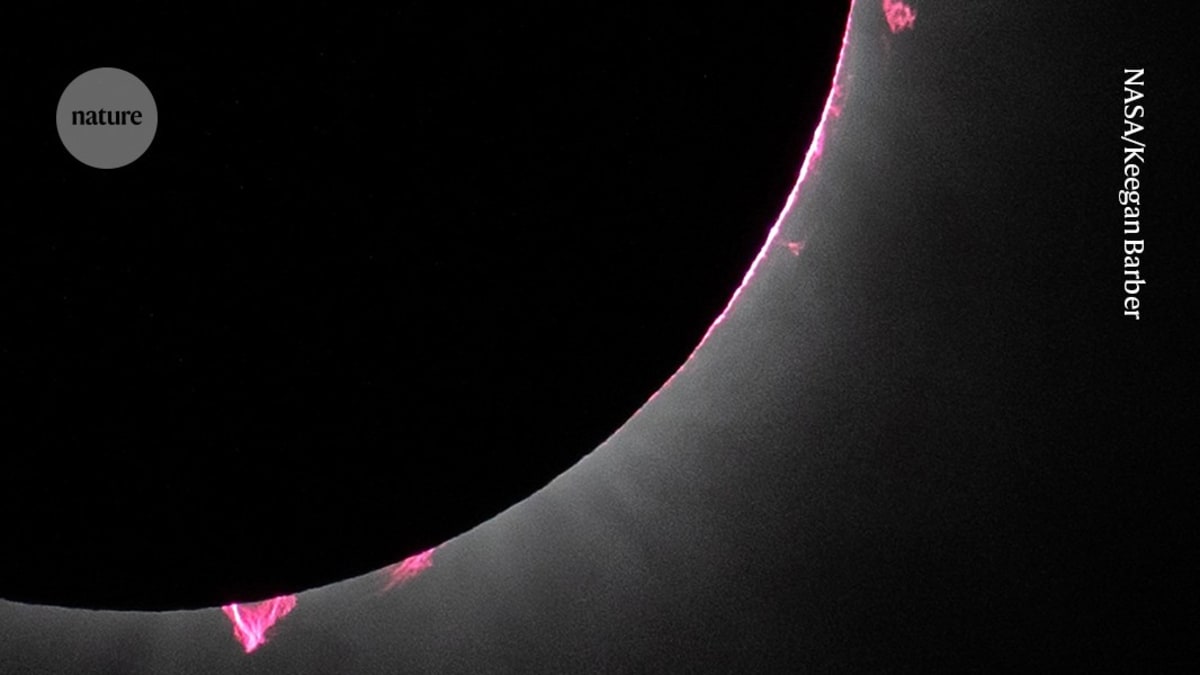
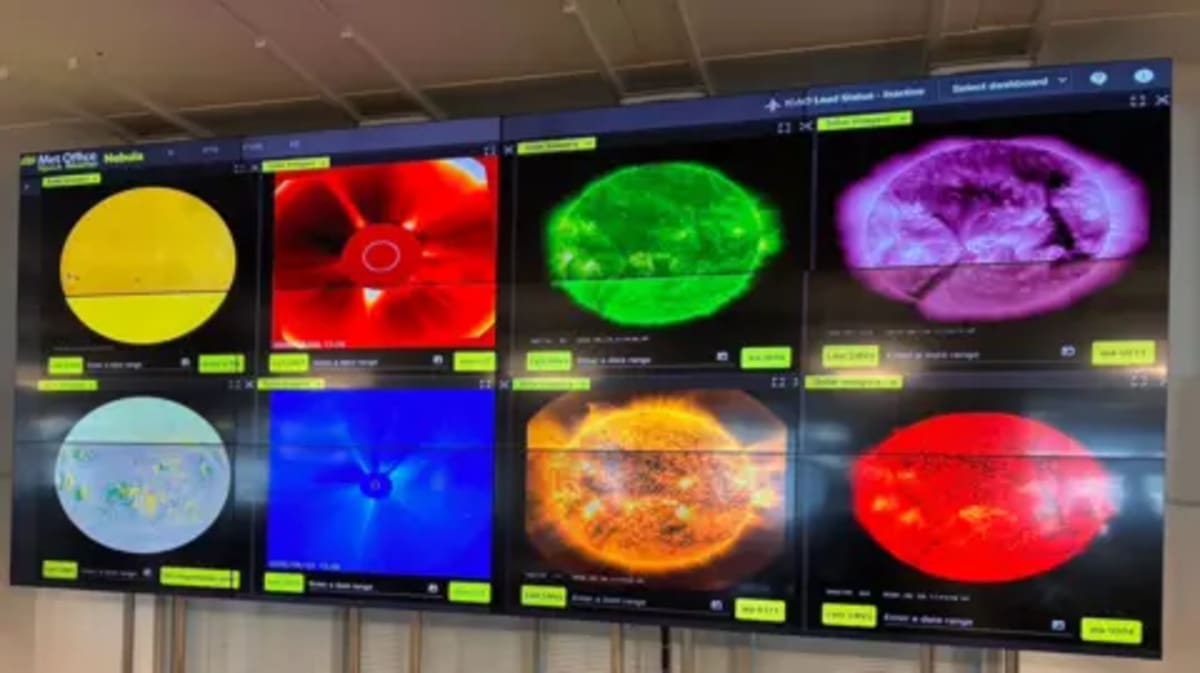
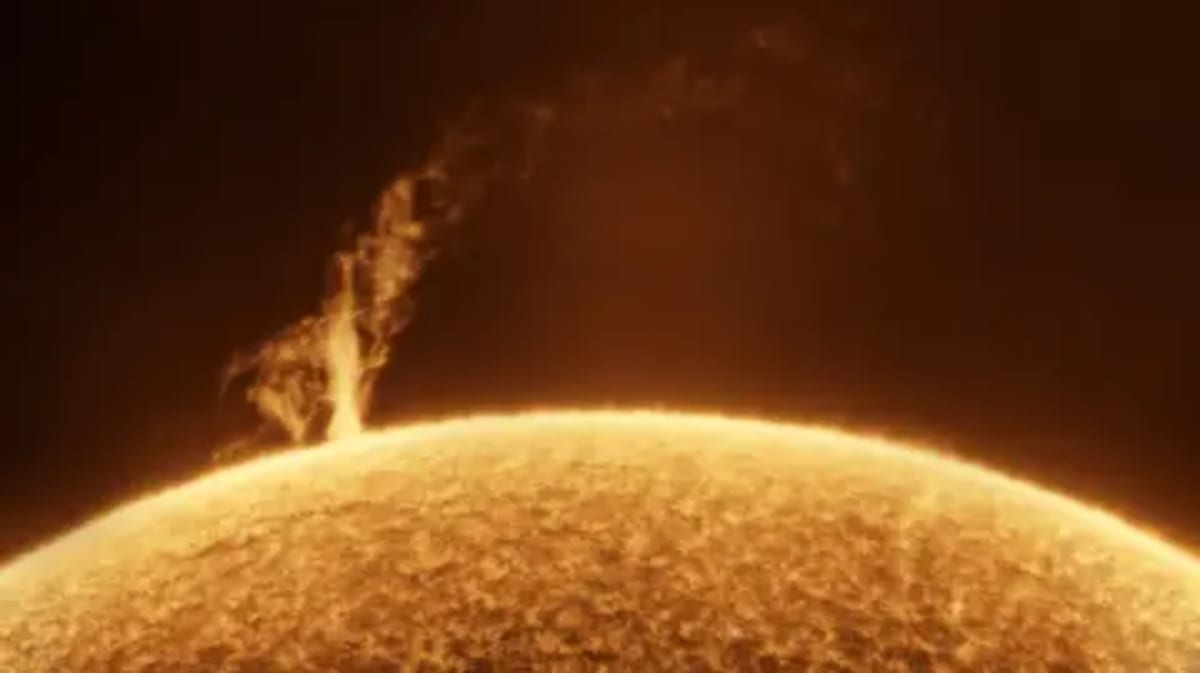
At the Met Office headquarters, a specialized team monitors the Sun 24 hours a day, every single day of the year. They're watching for solar flares and other space weather events that could wreak havoc on Earth's technology.
The stakes are enormous. A severe space weather event could cost the global economy $2.4 trillion over five years, according to a 2025 estimate by Lloyds. That's why the UK government lists severe space weather in its National Risk Register alongside other major threats.
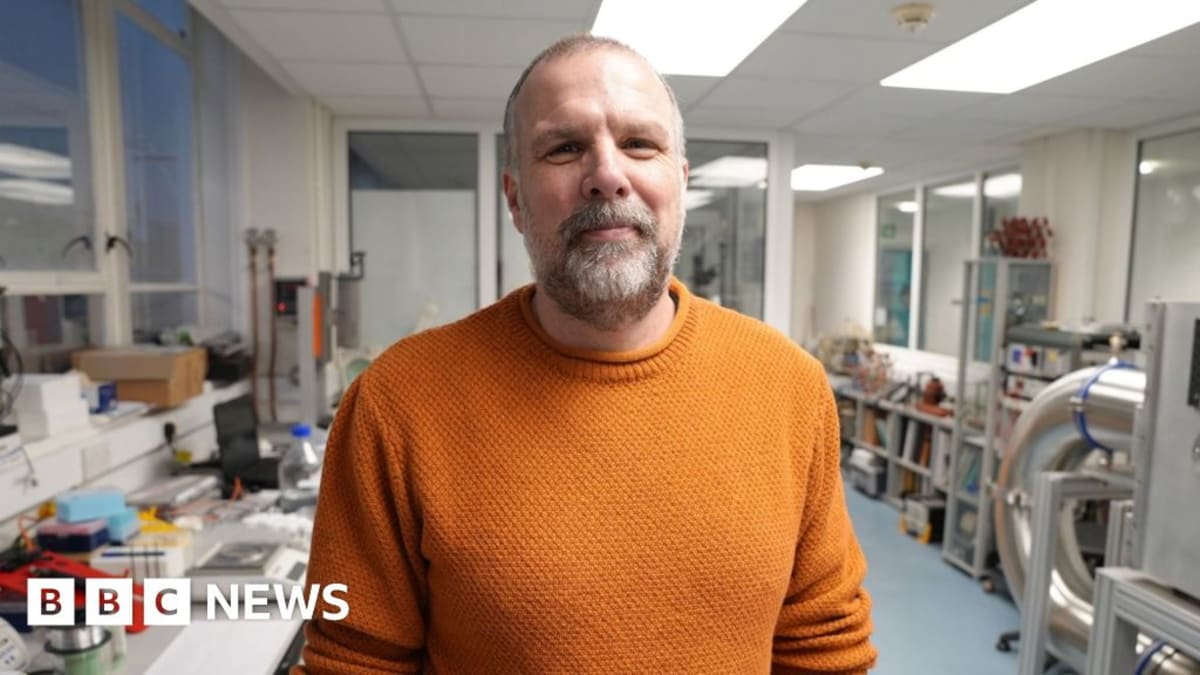
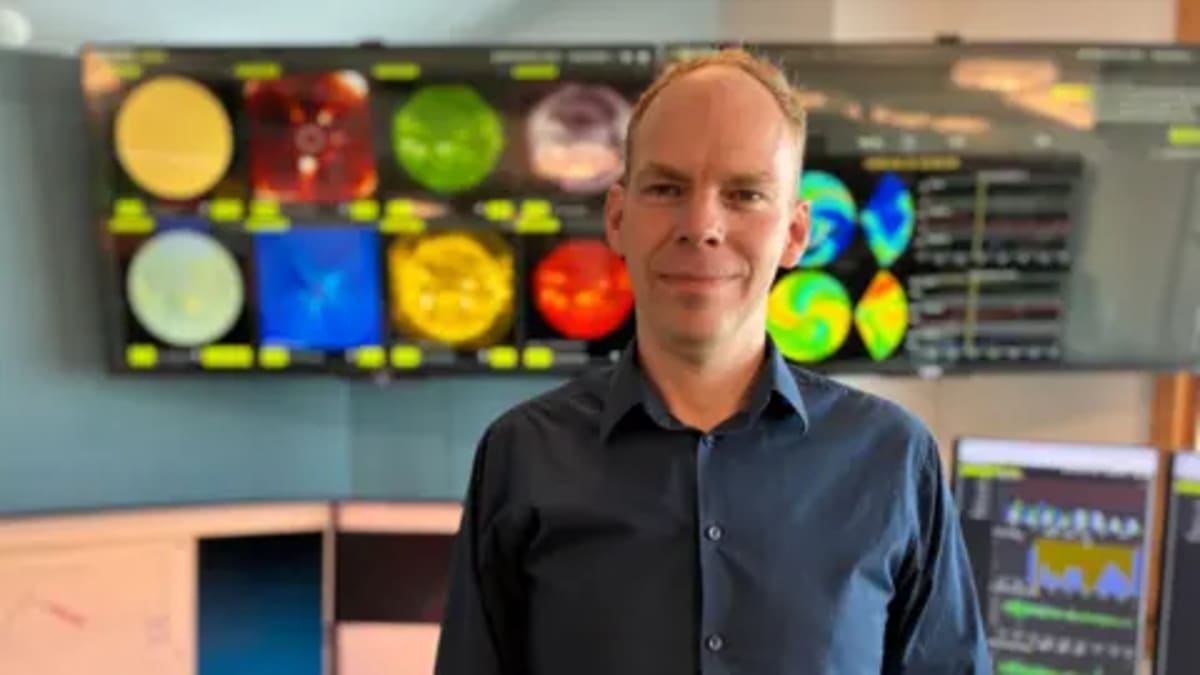
Richard Stone, who leads the space forecasting team, explains how it works. "We diagnose anything happening on the Sun's surface, provide a forecast, and alert relevant users to take mitigating actions," he says. When the team spots a solar event, they have about three days before it reaches Earth.
The challenge is what happens next. After spotting the initial event, scientists see nothing more until it reaches satellites one million miles away. That gives them just one hour to predict the exact impact and warn partners who need to take action.
"It's like seeing a storm on the east coast of America and then not having any observations until it gets to Ireland," Stone explains.
Why This Inspires
The good news? We're getting better at this. Since 2014, the Met Office has partnered with major infrastructure operators to keep them safe. Now they're working with researchers from Aberystwyth, Northumbria, Durham, and Reading universities to improve forecasting even further.
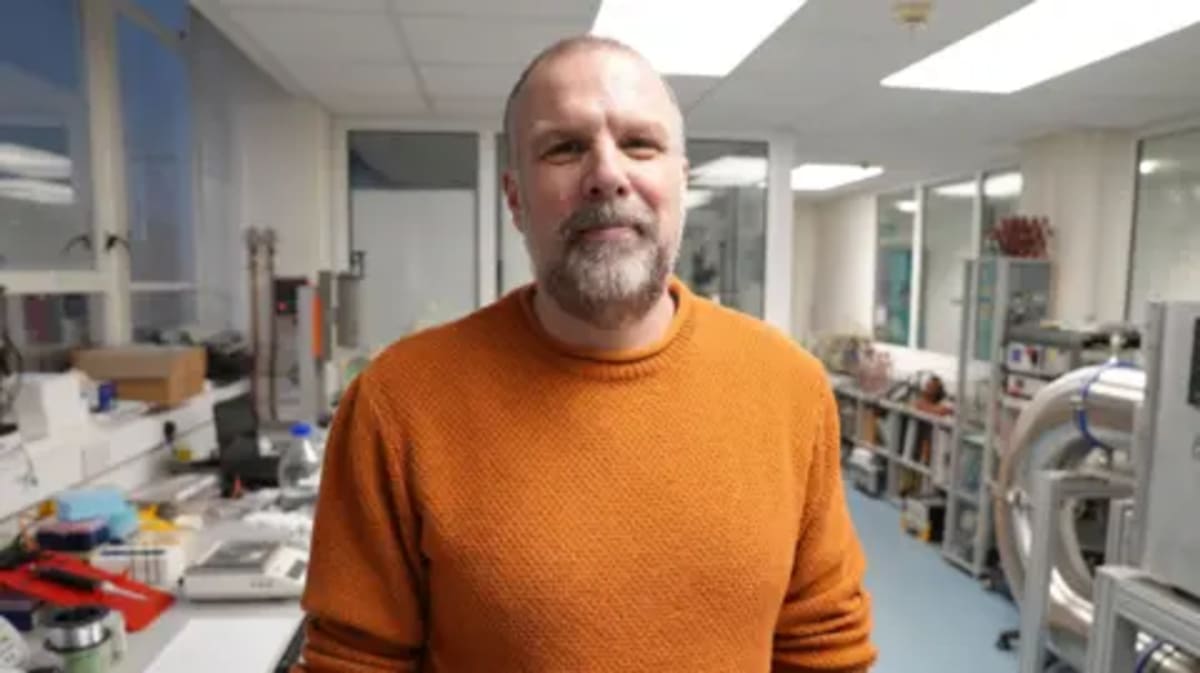
Professor Huw Morgan from Aberystwyth University leads the research team. "This pre-warning is a huge mitigation of the danger posed by space weather," he says. "It gives the National Grid an opportunity to prepare and avoid power cuts, or airlines can divert flights to safer latitudes."
The system already works. Despite the Sun reaching peak activity in 2024, people felt almost no impact from increased solar storms. The forecast warnings gave companies and operators time to prepare and protect their systems.
History shows why this matters. In 1859, a massive geomagnetic storm called the Carrington Event disrupted telegraph networks worldwide. Telegraph wires hummed and crackled with so much energy they could operate without electricity. Today, a similar event without proper warning could be catastrophic given our dependence on technology.
But thanks to this dedicated team and advancing research, we're more protected than ever before.
More Images
Based on reporting by BBC Science
This story was written by BrightWire based on verified news reports.
Spread the positivity!
Share this good news with someone who needs it