UK Turns Battery Waste Into Ultra-Fast Charging Power
Britain just unlocked a way to recycle old electric vehicle batteries into materials for next-generation batteries that charge in five minutes. The breakthrough could free the UK from depending on China for 99% of its battery materials while slashing carbon emissions.
Imagine charging your electric car in the time it takes to grab a coffee. A new UK recycling project is turning that dream into reality while solving a massive waste problem at the same time.
Three British companies just secured government funding for REMADE, a groundbreaking initiative that recovers critical materials from dead EV batteries and manufacturing scraps. Instead of letting valuable graphite rot in landfills, they're transforming it into components for ultra-fast charging batteries.
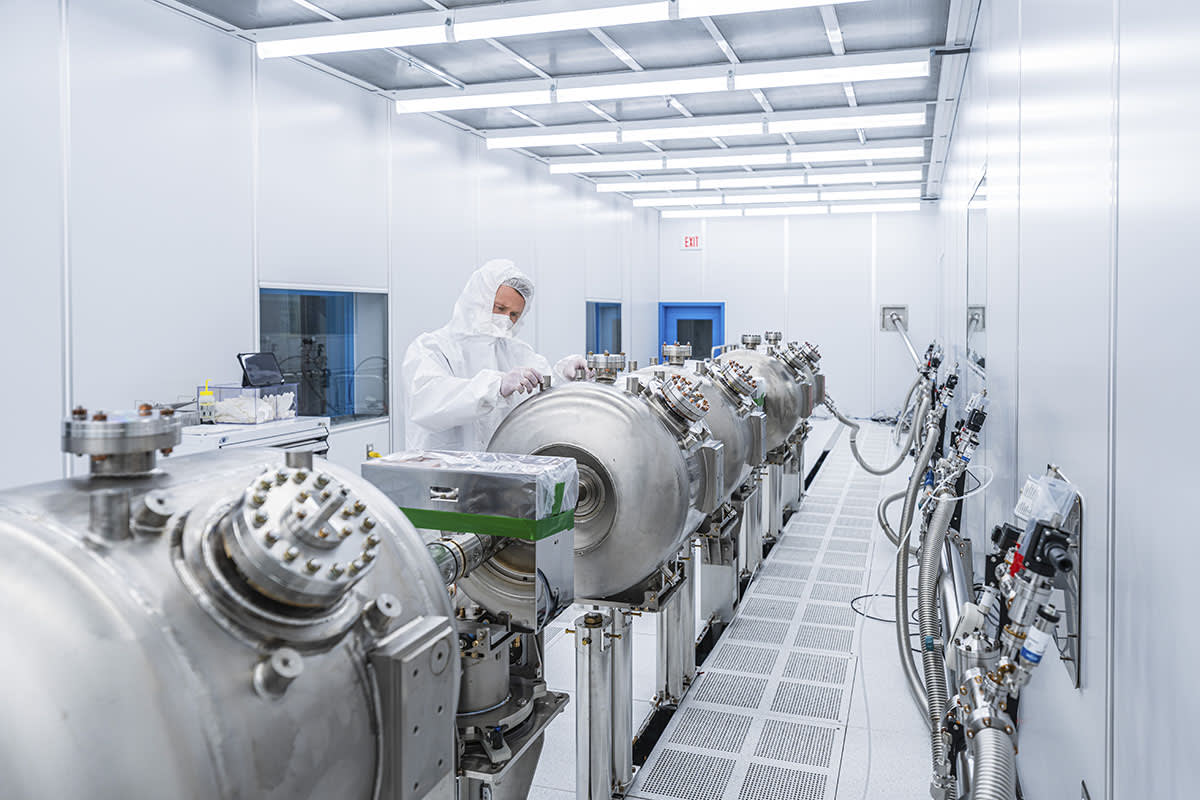
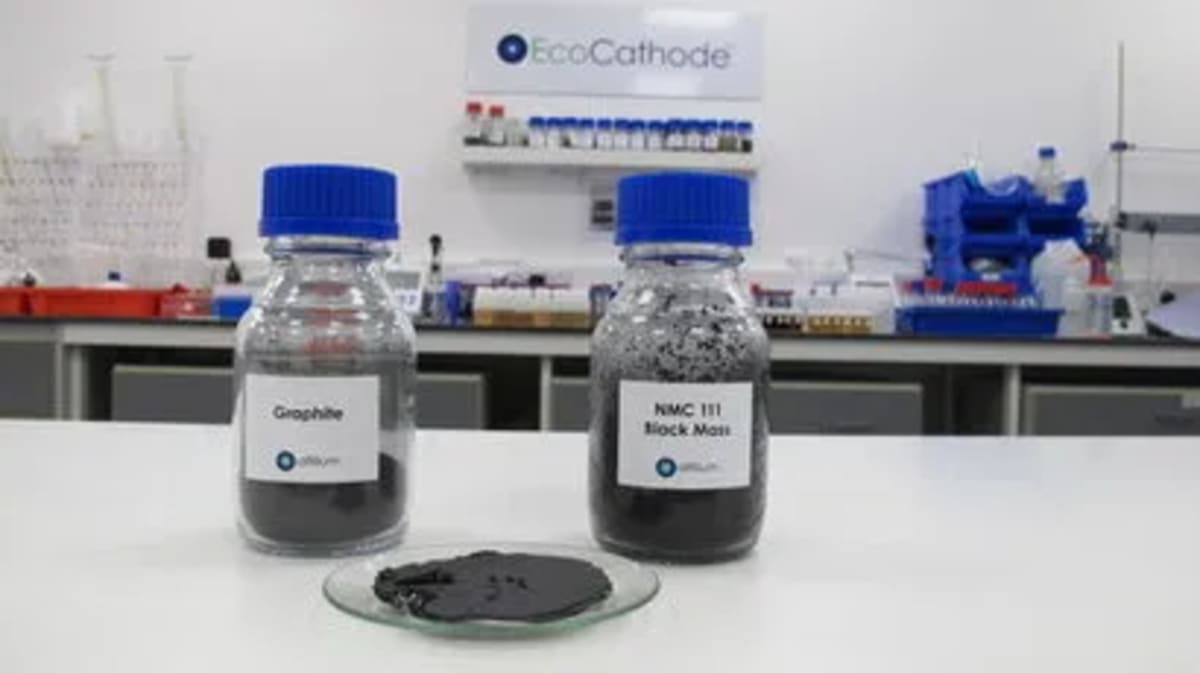
Here's how it works. Altilium extracts graphite and rare materials like niobium tungsten oxide from battery waste with 99% recovery rates. Talga then purifies that recycled graphite to battery-grade quality. Finally, Nyobolt uses these reclaimed materials to build batteries that reach 80% charge in under five minutes.
The timing couldn't be better. The UK will need 72,000 tonnes of graphite per year by 2035 to meet battery demand. Right now, Britain imports nearly all of it from China, which controls 99% of the world's battery graphite supply.
Traditional recycling mostly focuses on recovering cathode materials, treating graphite as trash. Altilium's EcoAnode process flips that script entirely, cutting emissions by 77% compared to mining and refining new graphite from scratch.
The benefits multiply beyond just recycling. Nyobolt's high-power-density technology allows for smaller, lighter battery packs that need fewer raw materials to begin with. That means lower lifecycle emissions from start to finish.
A major automotive manufacturer is overseeing the project to ensure the recycled materials meet future industry needs. This partnership approach tackles the complete battery supply chain from waste collection through final product.
The Ripple Effect
This circular supply chain could reshape Britain's entire energy security landscape. By creating domestic sources for critical battery materials, the UK reduces vulnerability to global supply chain disruptions while building industrial resilience.
The project strengthens the nation's path toward net zero emissions goals. Every battery made from recycled materials instead of virgin mining cuts carbon footprints substantially while creating green jobs in recycling and manufacturing.
Fast-charging capability removes one of the biggest barriers to electric vehicle adoption. When charging takes less time than a traditional fuel stop, more drivers will make the switch to cleaner transportation.
The £452 million Battery Innovation Programme supporting REMADE runs through 2030, designed to position the UK as a global battery innovation leader across automotive, aerospace, storage, and maritime sectors.
Dr. Christian Marston from Altilium captured the vision perfectly: battery waste is becoming a sustainable domestic source for next-generation batteries, building a more resilient, low-carbon future.
Sometimes the best resources aren't buried underground but hiding in plain sight, waiting to be reclaimed.
Based on reporting by Google News - Renewable Energy Breakthrough
This story was written by BrightWire based on verified news reports.
Spread the positivity!
Share this good news with someone who needs it