UK Village Rewilding Brings Back Butterflies, Slow Worms
A small Shropshire village transformed mowed grass into wildflower meadows and brought wildlife roaring back in just one year. The simple project proves any community can help nature recover.
Volunteers in Church Pulverbatch, England, are watching slow worms, butterflies, and wildflowers return after spending just one year letting grass grow wild.
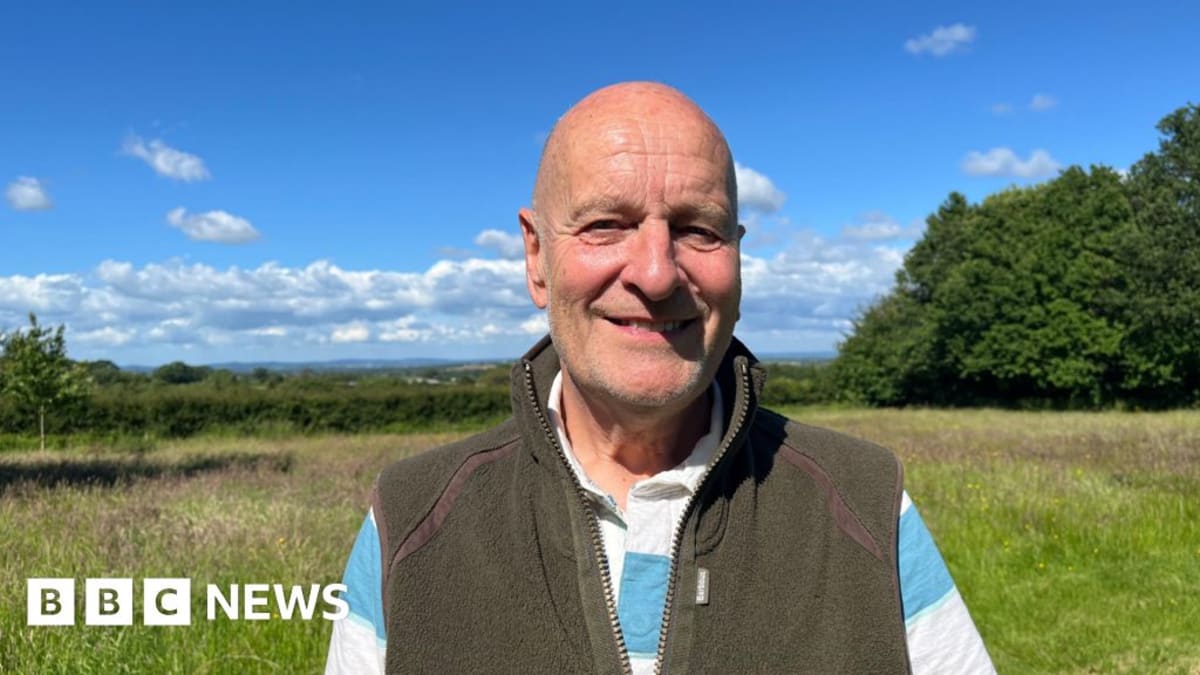
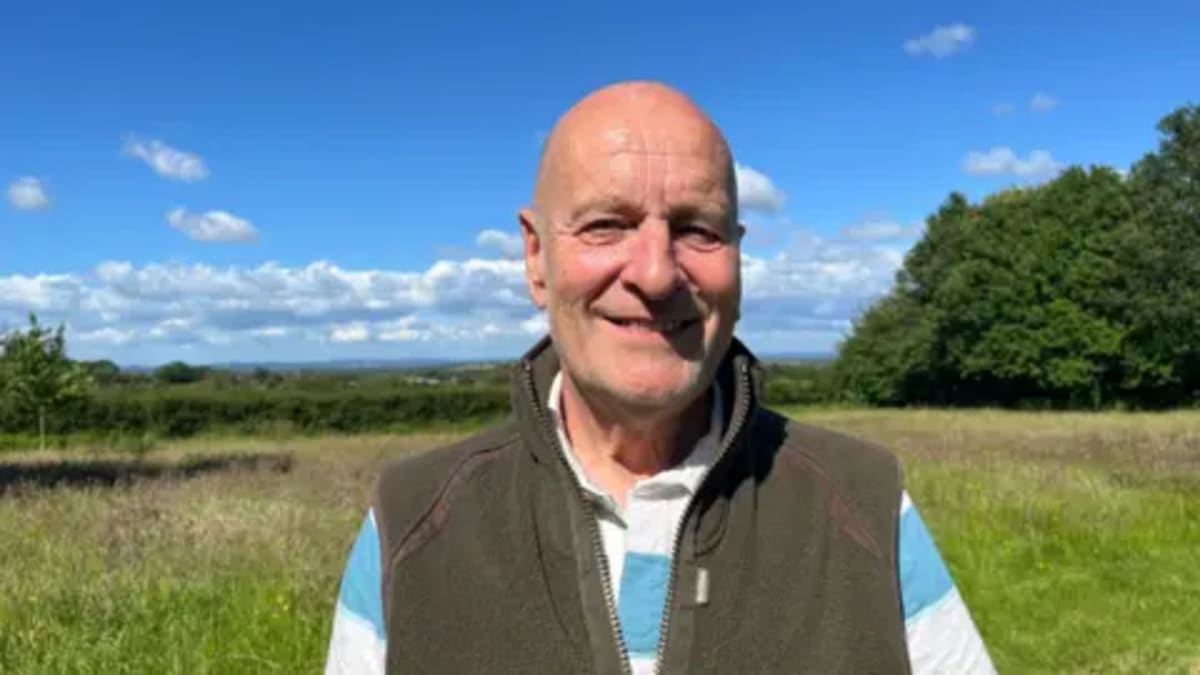
The Shropshire village launched a nature recovery project that turned ordinary mowed areas into thriving wildflower meadows. Parish councillor David Taylor said the transformation marks "the very beginnings of a nice cycle which we all need to try and encourage."
The volunteers got inspired after attending a talk about Shropshire's dramatic wildlife losses. Hearing about disappearing moths, butterflies, and hedgehogs, plus the loss of most of England's meadows, hit hard. "It was quite devastating," Taylor said.
Their solution was beautifully simple. They planted thousands of wild grasses and flowers along the edges of the village green while keeping the middle neatly mown. Now the community can still hold weddings and fetes on the cut grass while wildlife thrives just steps away.
Volunteers Nikki Brooks and Lynne Taylor helped plant yellow rattle, hawkbit, clover, and ox-eye daisies. "In the past it was just a field that was mown, whereas now we've got this beautiful landscape with all the seeded grasses," Brooks said.
Taylor said walking past the wild verges brings constant joy. "You see something different every time you walk. It's great for your mental health."
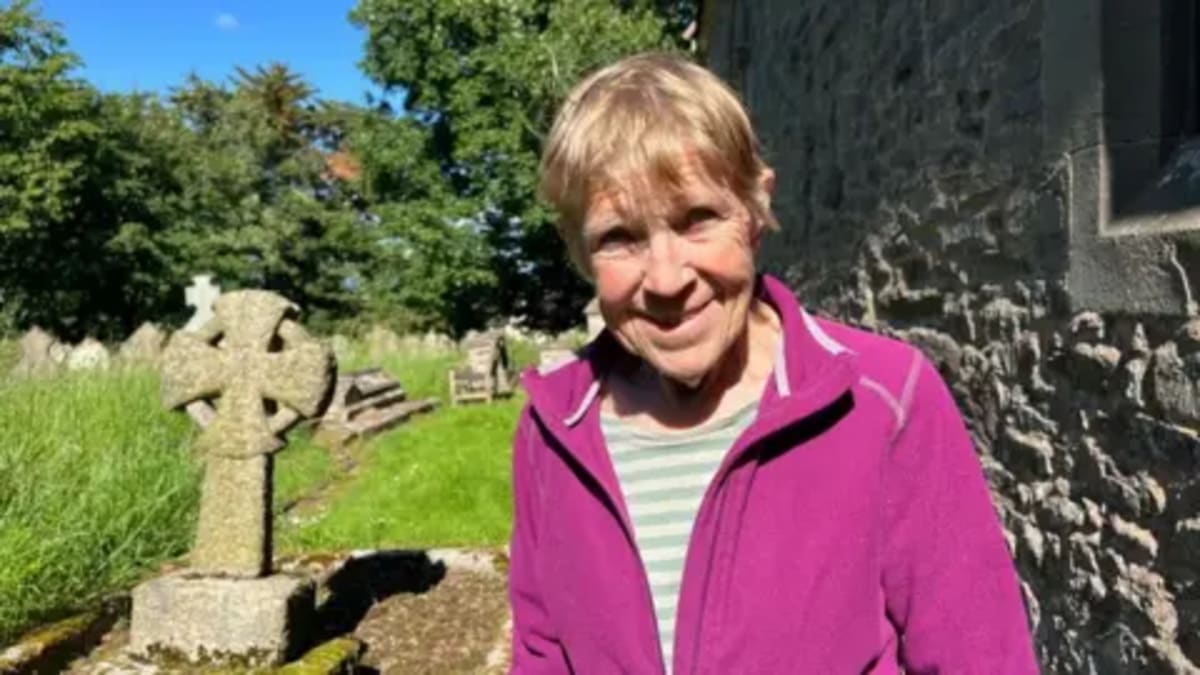
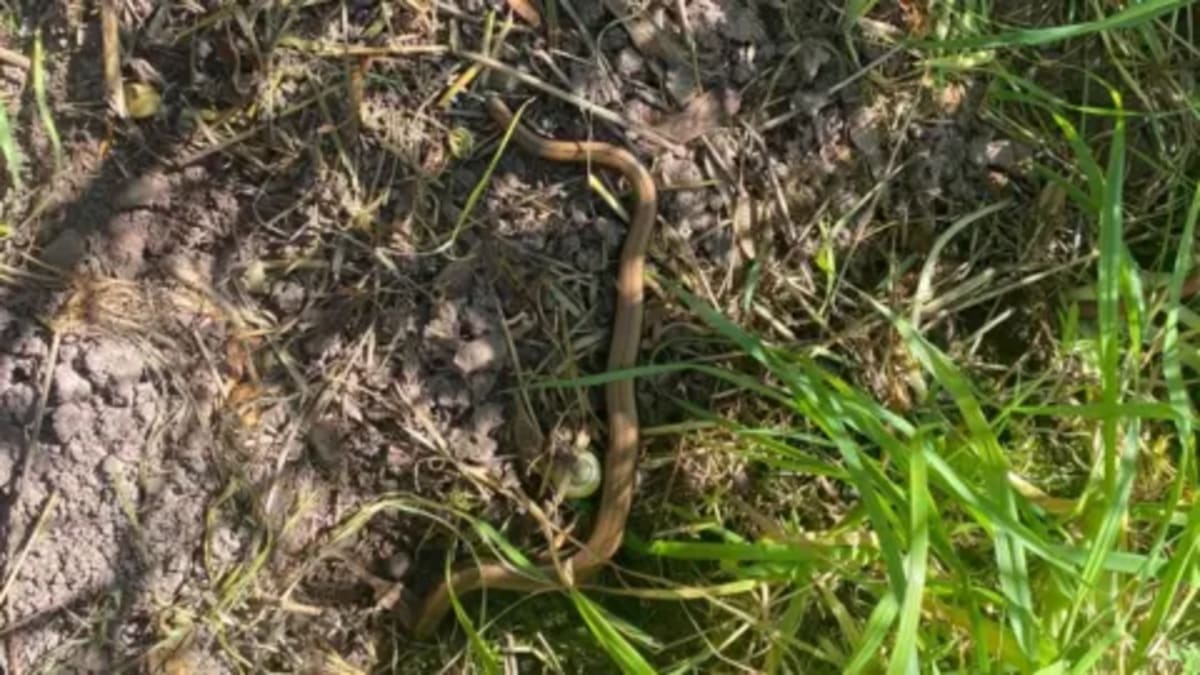
The village churchyard became an unexpected wildlife haven. Kate Thorne discovered slow worms (actually legless lizards, not snakes) love sheltering in the stone walls and long grasses. "We've hung on to the slow worms and they obviously like it here," she said.
The project even helps preserve history. At the remains of a 1,000-year-old motte and bailey castle, cutting back bracken and encouraging wildflowers stabilizes the ancient earthworks. Phil Holden said managing the site creates "a lovely open access site that kids love to run around. It's a win-win, really."
The Ripple Effect
The Church Pulverbatch project started small, but its impact reaches far beyond one village. Having Shropshire's Local Nature Recovery Strategy as a framework made everything easier, giving volunteers county-level support and guidance.
Holden believes the model can spread everywhere. "This is something that any parish can do," he said. Other communities are already taking notice and considering similar projects in their own areas.
The volunteers hope their success inspires neighbors to start their own rewilding efforts, no matter how small. "It really is a case of dipping your toe in the water, starting slowly and seeing what happens," Taylor said.
One year of letting grass grow wild brought an entire ecosystem back to life.
More Images

Based on reporting by BBC Science
This story was written by BrightWire based on verified news reports.
Spread the positivity!
Share this good news with someone who needs it