U.S. Lead Pollution Drops 100-Fold in a Century
Americans today have 100 times less lead in their bodies than their great-grandparents did, thanks to environmental regulations that transformed public health. Hair samples spanning a century reveal one of the most dramatic pollution success stories ever documented.
Americans are breathing cleaner air than at any point in modern history, and the proof is literally in our hair.
New research from the University of Utah reveals that lead pollution has dropped 100-fold over the past century. Scientists examined hair samples from 48 participants spanning generations, including precious locks preserved in family scrapbooks dating back to 1916.
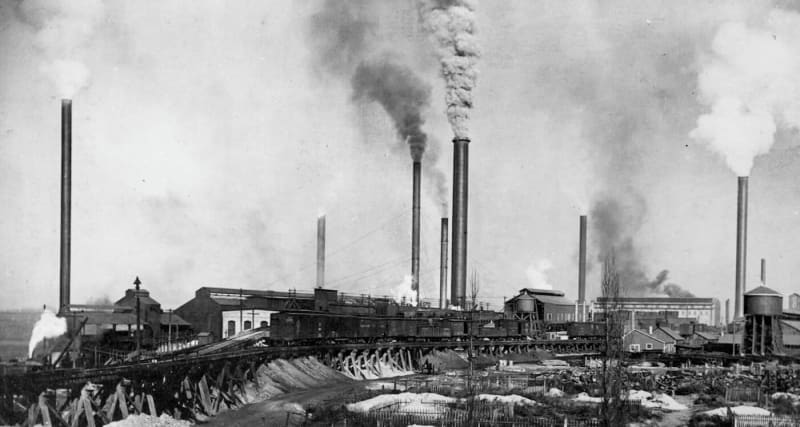
The findings paint a stark picture of how dangerous life was before environmental protections existed. Before the 1970s, Americans were surrounded by lead from industrial smokestacks, paint, water pipes, and car exhaust. Hair samples from that era showed lead concentrations as high as 100 parts per million.
By 1990, after regulations phased out leaded gasoline, those levels had plummeted to 10 parts per million. Today, they measure less than one part per million.
Lead is a neurotoxin that accumulates in human tissue and causes developmental problems in children. Before the 1970s, gasoline alone released nearly two pounds of lead per person per year into the air we breathed.
The Environmental Protection Agency began regulating lead in the 1970s, and by 1996, leaded gasoline was completely eliminated from U.S. roads. Blood lead levels in young children dropped from over 15 in the late 1970s to just 0.6 in 2020.
Professor Ken Smith, who led the study published in the Proceedings of the National Academy of Sciences, says the Utah region provided unique research opportunities. The area historically supported a vibrant metal smelting industry and residents maintained detailed family histories.
"Lead is not lost over time," explained research team member Professor Diego Fernandez. "It is concentrated and accumulated in the hair surface. It tells you about that overall environmental exposure."
The researchers used mass spectrometry equipment to analyze the samples. What made the study possible was the way Utah families preserve mementos across generations. Some participants found ancestors' hair carefully saved in family records going back a full century.
The Ripple Effect
This dramatic pollution reduction represents more than just cleaner air. It means millions of children grew up without the cognitive impacts that lead exposure causes. Fewer developmental delays. Better learning outcomes. Healthier communities.
The study arrives at a crucial moment as some environmental protections face rollbacks. Professor Thure Cerling, a co-author, emphasized the importance of maintaining these regulations: "Sometimes they seem onerous and mean that industry can't do exactly what they'd like to do, but it's had really, really positive effects."
The lesson is clear: environmental regulations work, and the health benefits touch every American who breathes our shared air.
More Images




Based on reporting by Good News Network
This story was written by BrightWire based on verified news reports.
Spread the positivity!
Share this good news with someone who needs it