Utah Invests $5.1M to Save 33 At-Risk Species
Utah just committed $5.1 million to protect 33 struggling wildlife species before they reach the endangered list. The proactive approach focuses on saving everything from shorebirds at the shrinking Great Salt Lake to rare plants and fish across the state.
Utah is betting big on prevention, pouring $5.1 million into 33 wildlife projects designed to help struggling species bounce back before they need federal protection.
The funding comes from the Utah Species Protection Account, a special state fund created in 1997 with a simple but powerful mission: help vulnerable wildlife now so they never make the endangered species list. The approach saves animals and taxpayers the massive costs that come with emergency conservation efforts later.
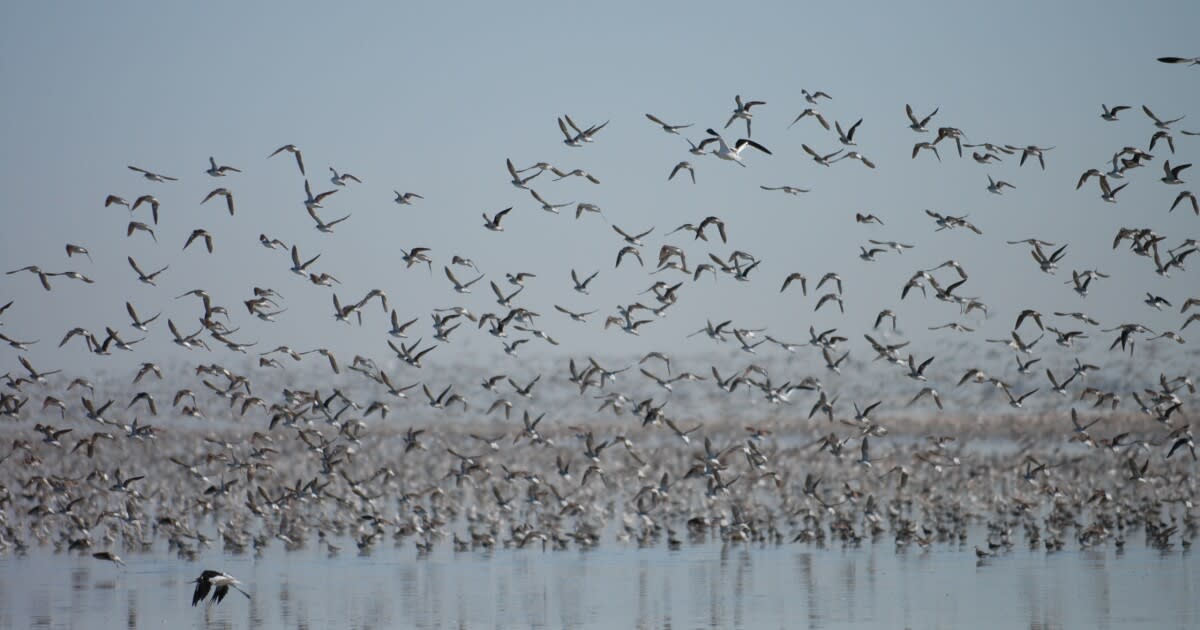
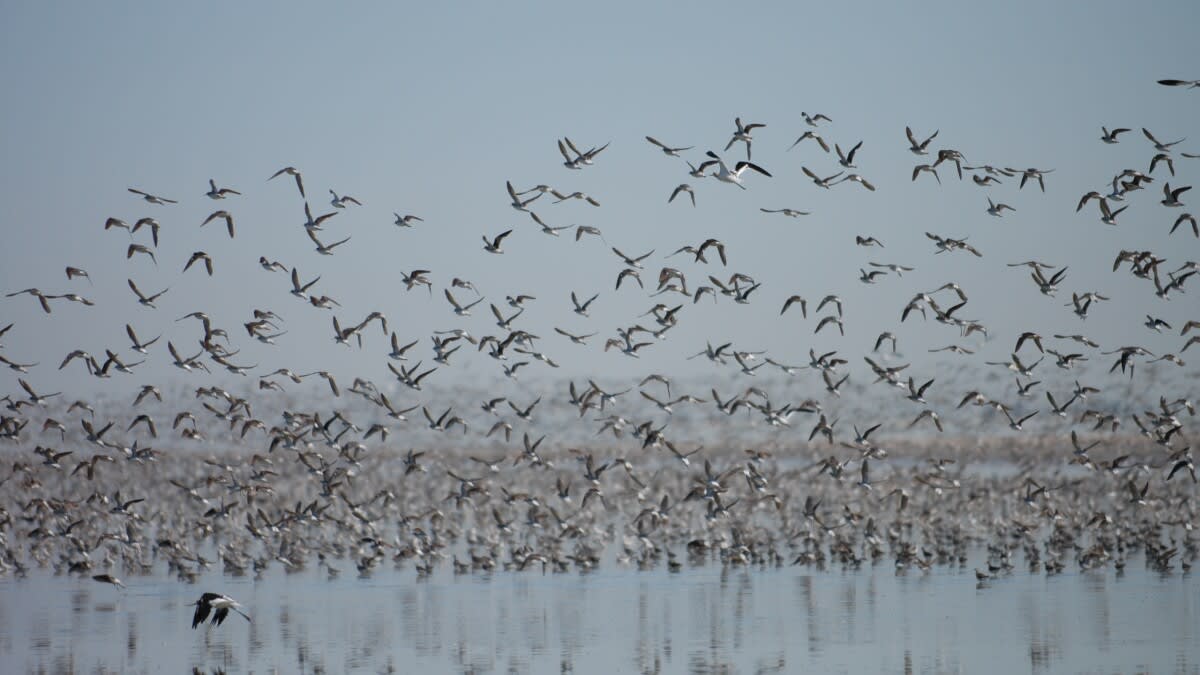
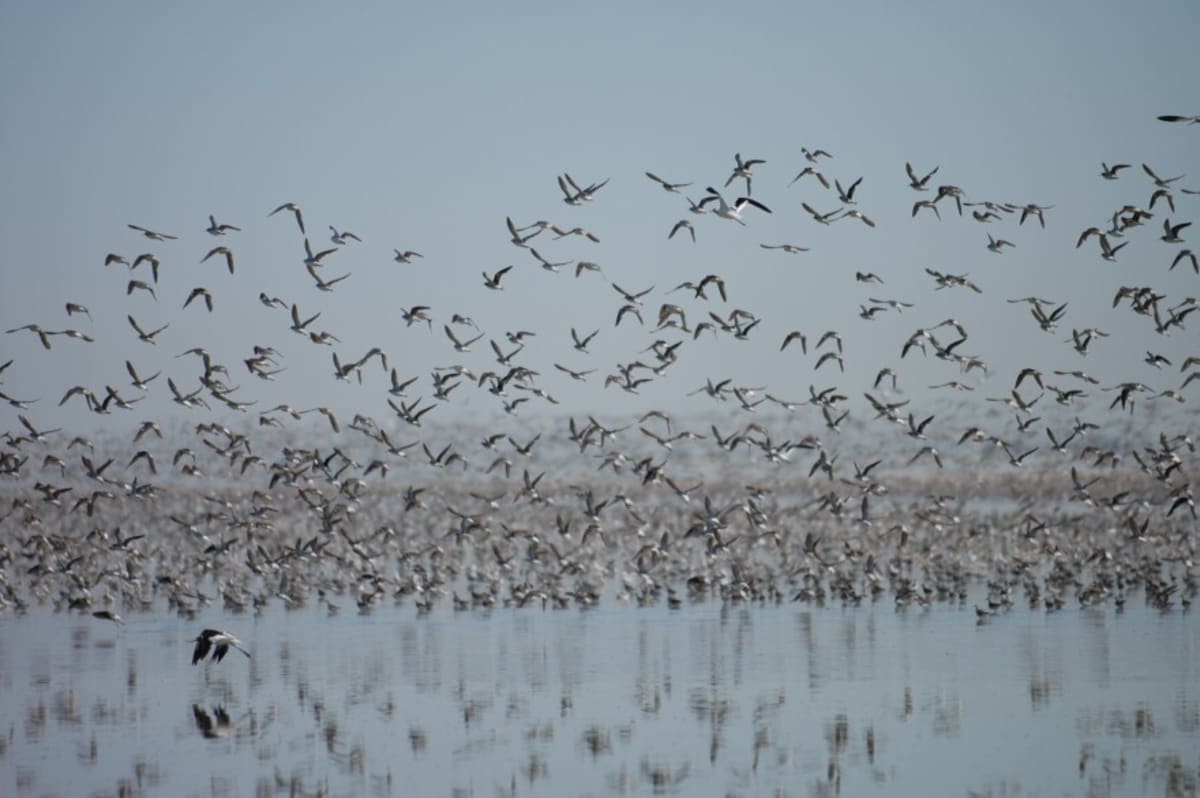
Among the beneficiaries is the Wilson's phalarope, a delicate shorebird that depends on the Great Salt Lake for survival. As the lake continues to shrink, these migratory birds face mounting threats to their critical habitat.
The state also directed funds toward rescuing the threatened June sucker from Utah Lake and its tributaries. The fish, found nowhere else on Earth, represents just one of dozens of species getting a lifeline through this investment.
Utah State University received grants to study and protect rare plants and insects, many unknown to the general public but critical to the state's ecosystem. These smaller creatures often get overlooked in conservation efforts, making the funding particularly significant.
The Utah Division of Wildlife Services administers the protection account, working with researchers and conservation groups to identify which species need help most urgently. The strategy focuses on early intervention rather than crisis management.
The Ripple Effect
This investment does more than save individual species. Healthy ecosystems support clean water, agriculture, outdoor recreation, and tourism that millions of Utahns depend on. When the Great Salt Lake's birds thrive, the lake itself becomes healthier, benefiting everything from local air quality to the state's ski industry, which relies on lake-effect snow.
The proactive funding model also prevents the economic disruption that comes when species are federally listed as endangered. Those listings can restrict land use, halt development projects, and cost states and private landowners far more than early conservation efforts.
By investing now, Utah is building resilience into its natural systems. The 33 funded projects create a safety net that could prevent future ecological crises and the expensive emergency responses they require.
Since 1997, this approach has helped keep numerous Utah species off the federal endangered list, proving that strategic early investment pays long-term dividends. The latest $5.1 million commitment continues that track record of success.
Utah's wildlife is getting the help it needs, exactly when it needs it most.
More Images

Based on reporting by Google News - Endangered Species Recovery
This story was written by BrightWire based on verified news reports.
Spread the positivity!
Share this good news with someone who needs it