Utah Monument's Protection Plan Survives Congress Challenge
A sacred Utah landscape filled with ancient petroglyphs and wildlife just won a major protection victory. Congressional efforts to overturn conservation rules for Grand Staircase-Escalante National Monument were defeated last week.
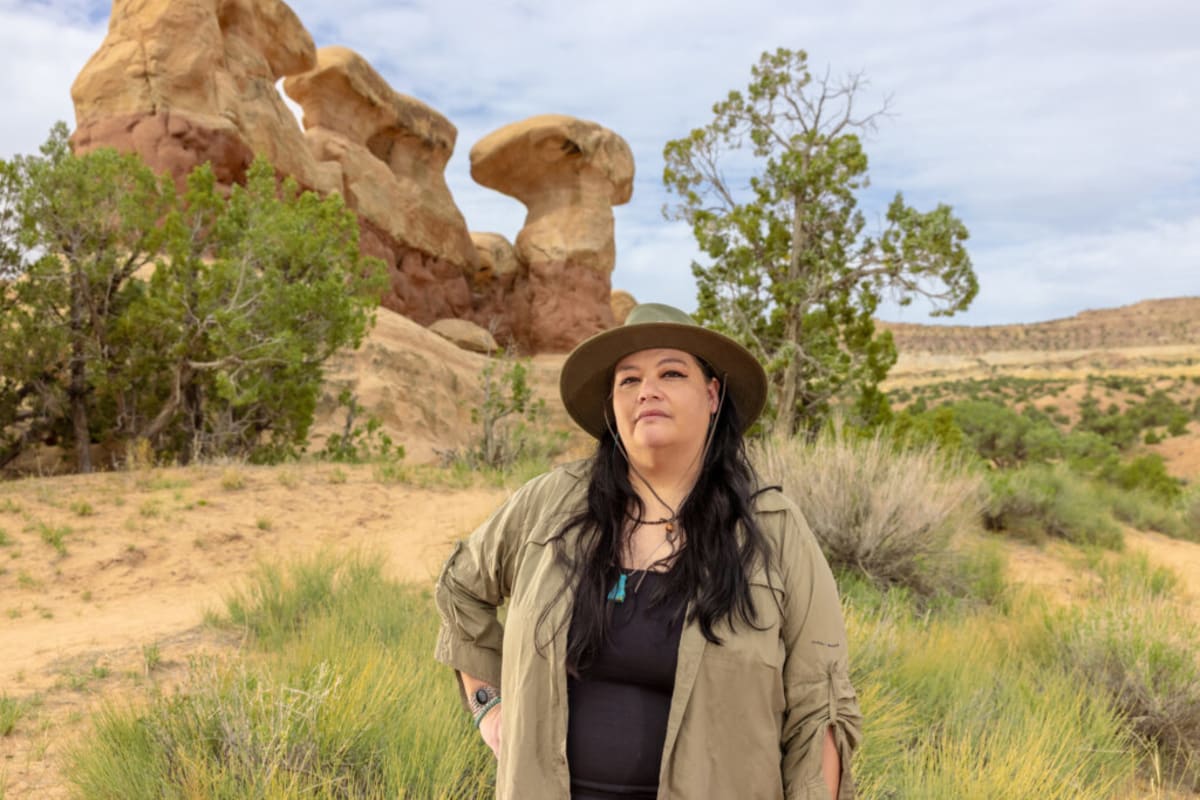
When Autumn Gillard first hiked to a clifftop in Grand Staircase-Escalante National Monument, her heart broke at what she found. Ancient petroglyphs of sacred bighorn sheep covered the red rock walls, but graffiti scarred the images and a square hole showed where someone had tried to steal part of the panel.
"All I could think was, 'I need to help, I have to help protect this,'" recalled Gillard, cultural resource manager for the Paiute Indian Tribe of Utah. That moment in 2017 launched her fight to preserve this remote southern Utah treasure.
Last week, her coalition won. Congressional Republicans had tried to use a special review process to overturn the monument's management plan, which would have opened 1.87 million acres to more off-road vehicles, cattle grazing, and bulldozer operations that drag chains across miles of desert to clear native plants.
The monument protects countless archaeological sites sacred to local tribes, along with old-growth forests and canyons carved through orange and red rock formations. President Bill Clinton designated it in 1996, but it has faced constant threats since then.
The Trump administration slashed 900,000 acres from the monument during his first term before President Biden restored it. This latest attempt would have been an unprecedented use of the Congressional Review Act to undo protections for public lands.
Why This Inspires
Gillard leads the Grand Staircase-Escalante Inter-Tribal Coalition, bringing together Native voices to protect what belongs to everyone. Her work shows how connecting people to cultural history creates powerful defenders of wild places.
"When people make the journey and pilgrimage to this monument, they get to be enveloped in some of America's most untouched land," Gillard said. "They get to see what this country looks like without mass development."
The victory proves that coalitions combining tribal knowledge, public support, and persistence can protect sacred landscapes for future generations.
Ancient sheep still roam the same cliffs their images were carved into thousands of years ago, and now they'll continue grazing under protected skies.
Based on reporting by Inside Climate News
This story was written by BrightWire based on verified news reports.
Spread the positivity!
Share this good news with someone who needs it