UToledo Scientists Capture Stunning Baby Star Images
University of Toledo astronomers are unlocking the secrets of how stars are born, using the world's most powerful space telescope to peer into cosmic nurseries. The team's work just earned Picture of the Month honors and is training the next generation of space explorers.
Scientists in Ohio are getting a front-row seat to one of the universe's most beautiful processes: the birth of stars.
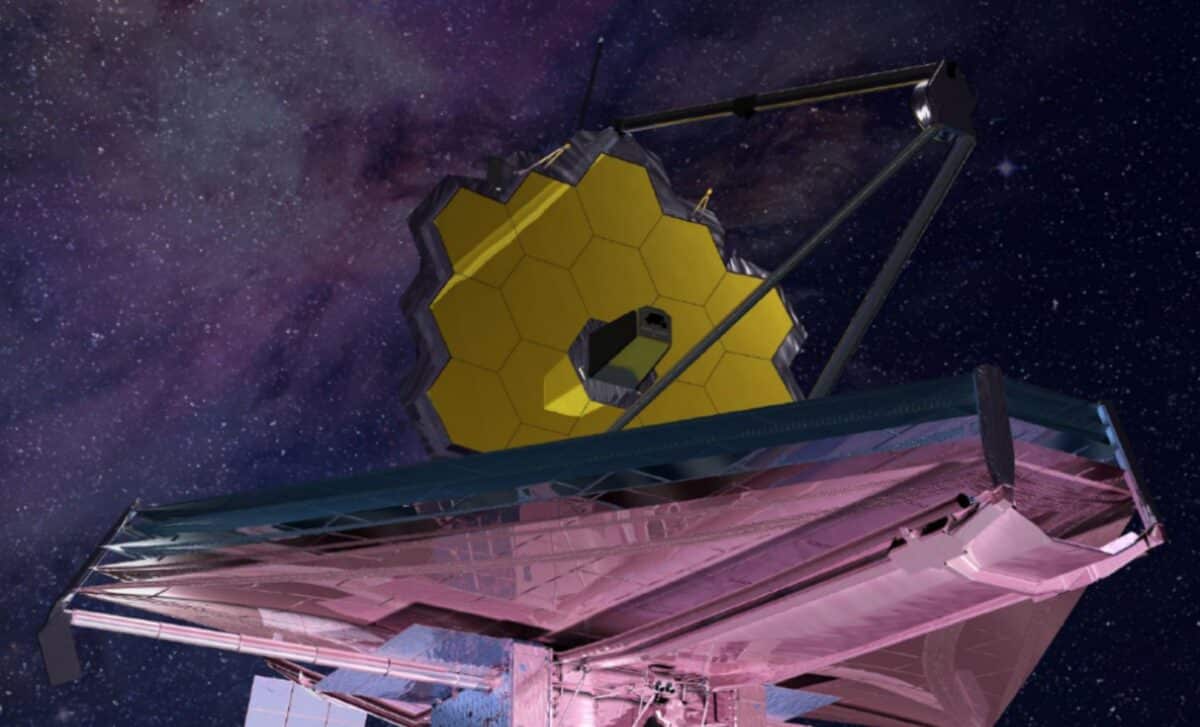
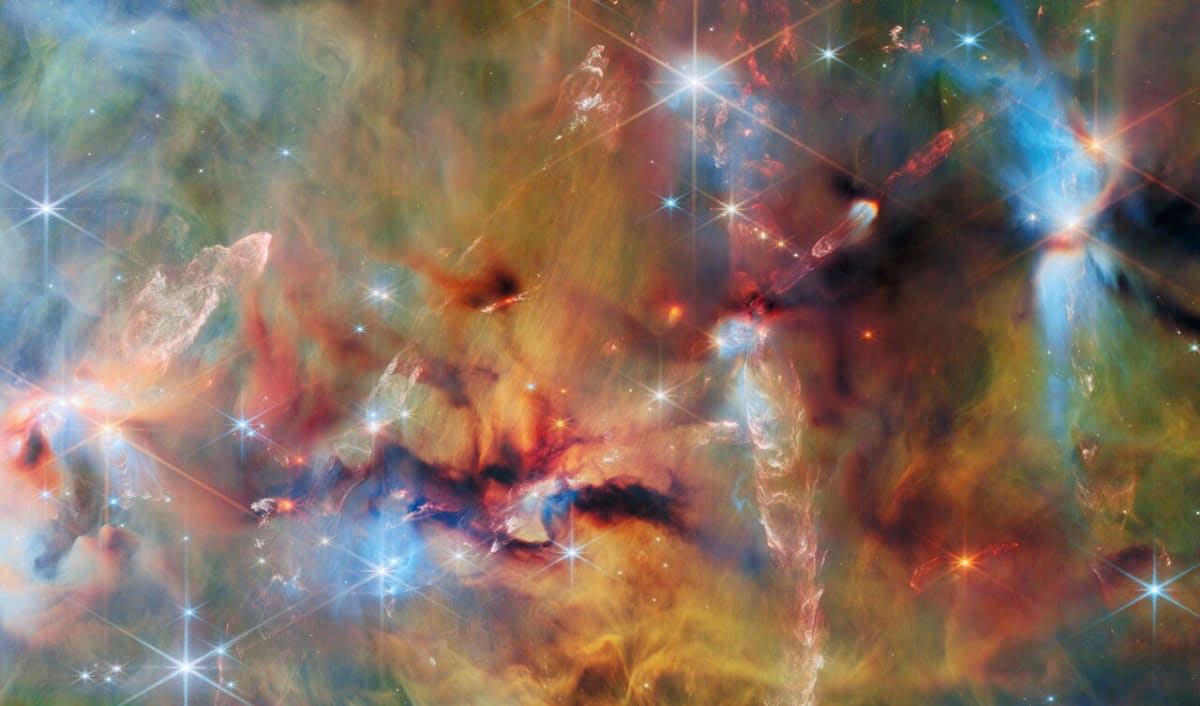
Dr. Tom Megeath and his team at the University of Toledo directed the James Webb Space Telescope toward a glowing cloud of gas and dust in the constellation Orion. Their stunning image became the European Space Agency's Picture of the Month in June, shared worldwide by space enthusiasts and scientists alike.
The team is studying protostars, which are essentially baby stars in their rapid growth phase. These balls of gas heat up and balloon in mass during a relatively brief but crucial stage of stellar development. By watching this process unfold, astronomers can better understand how our own sun and solar system came to be.
UToledo's achievement reflects serious scientific muscle. The team was allocated nearly 200 hours with the James Webb Space Telescope, making it the third largest observing program in the telescope's cycle. That's an extraordinary amount of time on humanity's most sophisticated window to the cosmos.
The Ripple Effect
The real magic extends beyond the science itself. Graduate and undergraduate students at UToledo are working alongside seasoned astronomers, analyzing data from the observations. These young minds are getting hands-on experience with cutting-edge space technology while still in school.
The university's Ritter Astrophysical Research Center has built an impressive track record of accessing the world's most advanced telescopes, both on Earth and in orbit. This legacy means more Ohio students will grow up contributing to humanity's understanding of the universe.
The research tackles fundamental questions about stellar formation that astronomers have pursued for generations. Each observation brings new insights into the physical processes that transform clouds of cosmic dust into the blazing furnaces that light up our night sky.
These aren't just pretty pictures, though they certainly are breathtaking. Every pixel contains information about temperature, composition, density, and movement. The team's analysis will contribute to scientific papers and discoveries for years to come.
Students working on this project today could become the principal investigators of tomorrow, directing future telescopes toward even more distant corners of space. They're learning not just astronomy, but how to ask the right questions and design observations that answer them.
The universe is constantly creating new stars, and now we're watching it happen in unprecedented detail.
Based on reporting by Google: James Webb telescope
This story was written by BrightWire based on verified news reports.
Spread the positivity!
Share this good news with someone who needs it