Van Gogh's Hidden 'Fingerprint' Catches Art Forgers
Scientists discovered a mathematical pattern in Vincent van Gogh's brushstrokes that works like a fingerprint to authenticate his paintings. This breakthrough is stopping art forgers in their tracks and protecting the legacy of one of history's most beloved artists.
Vincent van Gogh never knew his paintings would one day reveal a secret code hidden in every brushstroke.
Scientists at the Université Polytechnique Hauts-de-France just unlocked a game-changing way to spot real Van Gogh paintings with stunning precision. Using advanced digital mapping technology, they discovered that the famous artist's technique creates a unique mathematical signature that forgeries simply can't replicate.
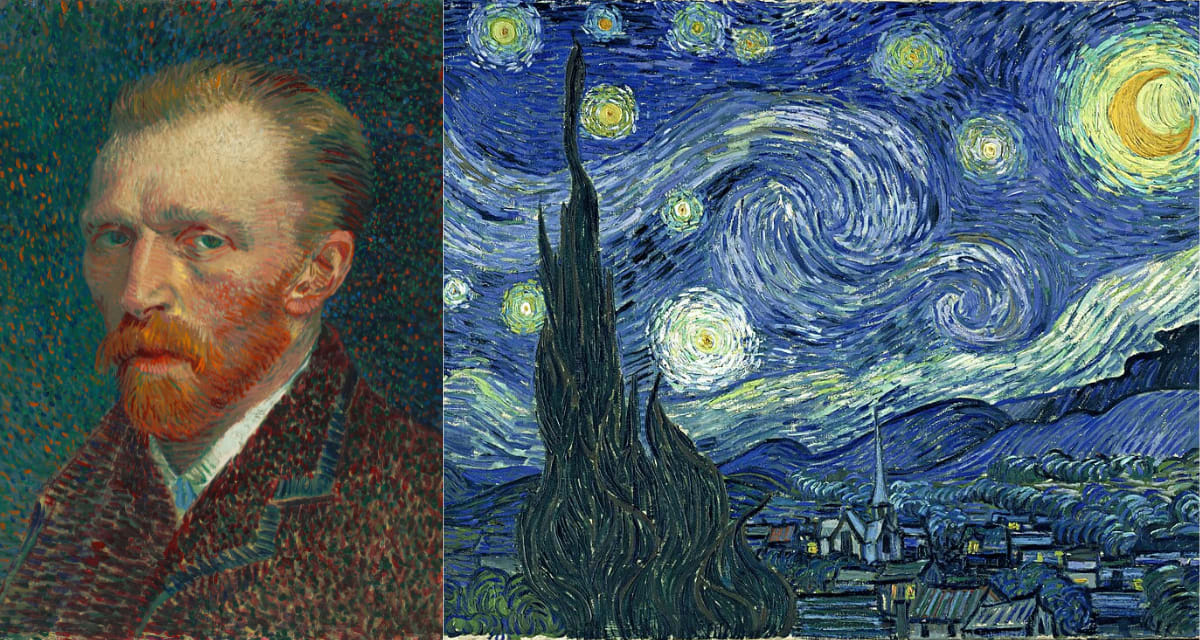
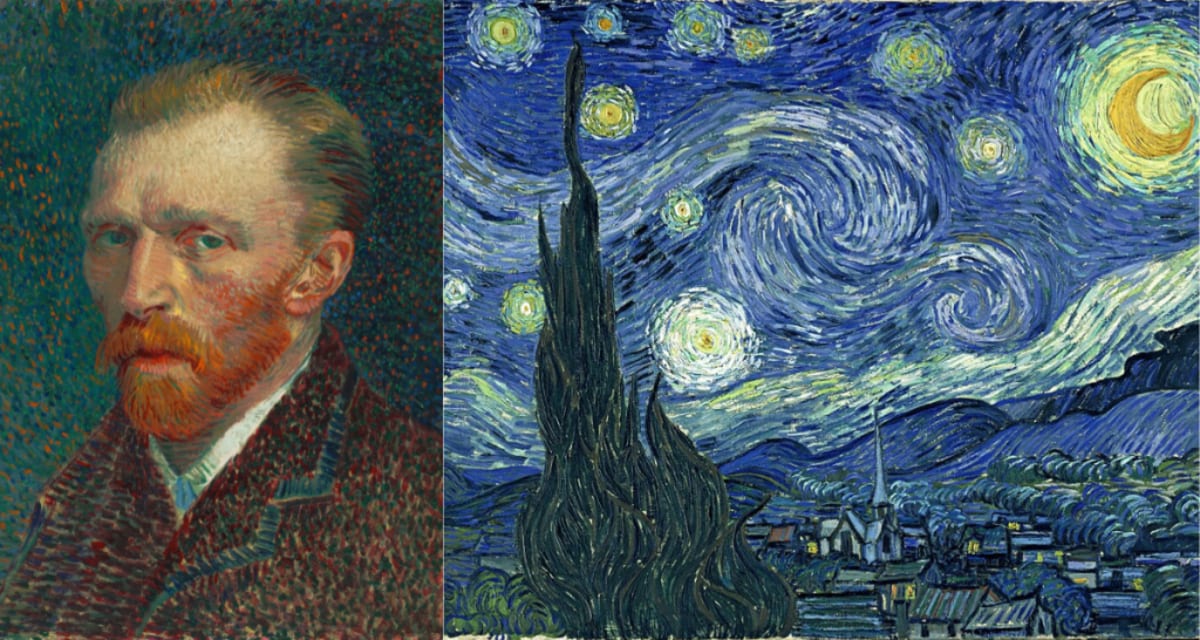
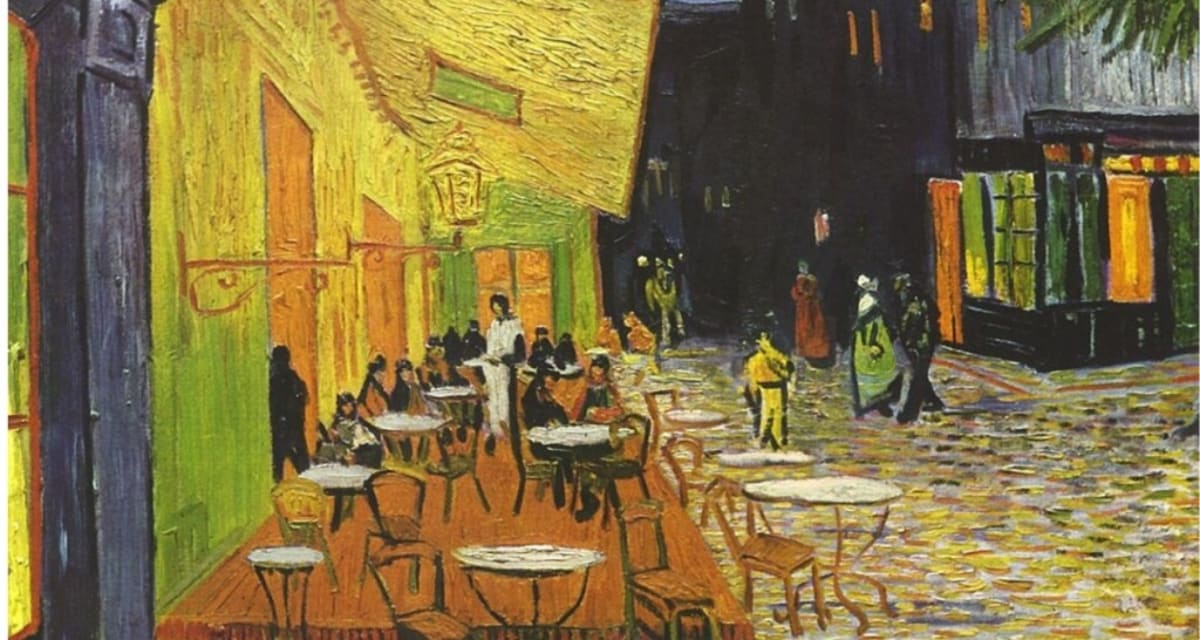
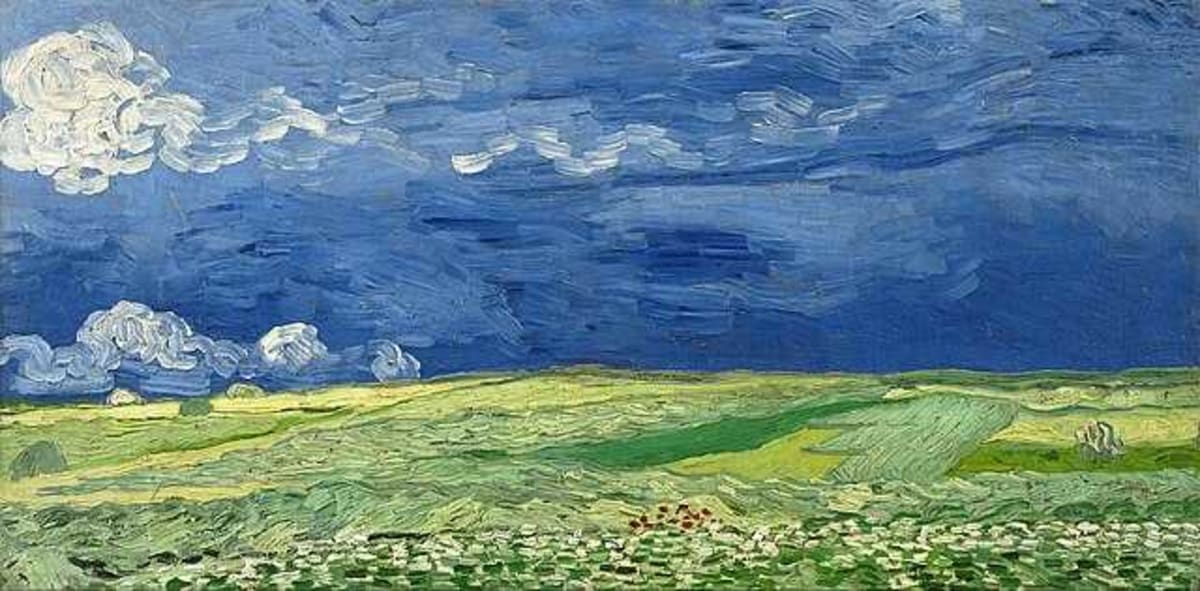
The breakthrough centers on Van Gogh's iconic impasto style, where he layered paint so thickly that each canvas became almost three-dimensional. Researchers scanned eight of his most famous paintings, analyzing every ridge, peak, and valley his brush left behind.
What they found changed everything. The pressure Van Gogh applied, the movement of his hand, and the way he layered paint created a distinct mathematical pattern called a fractal score.
Think of it like an artistic algorithm that only Van Gogh could create. Every artist has a subconscious rhythm to their technique, but Van Gogh's is so specific that scientists can now identify his work with incredible accuracy.
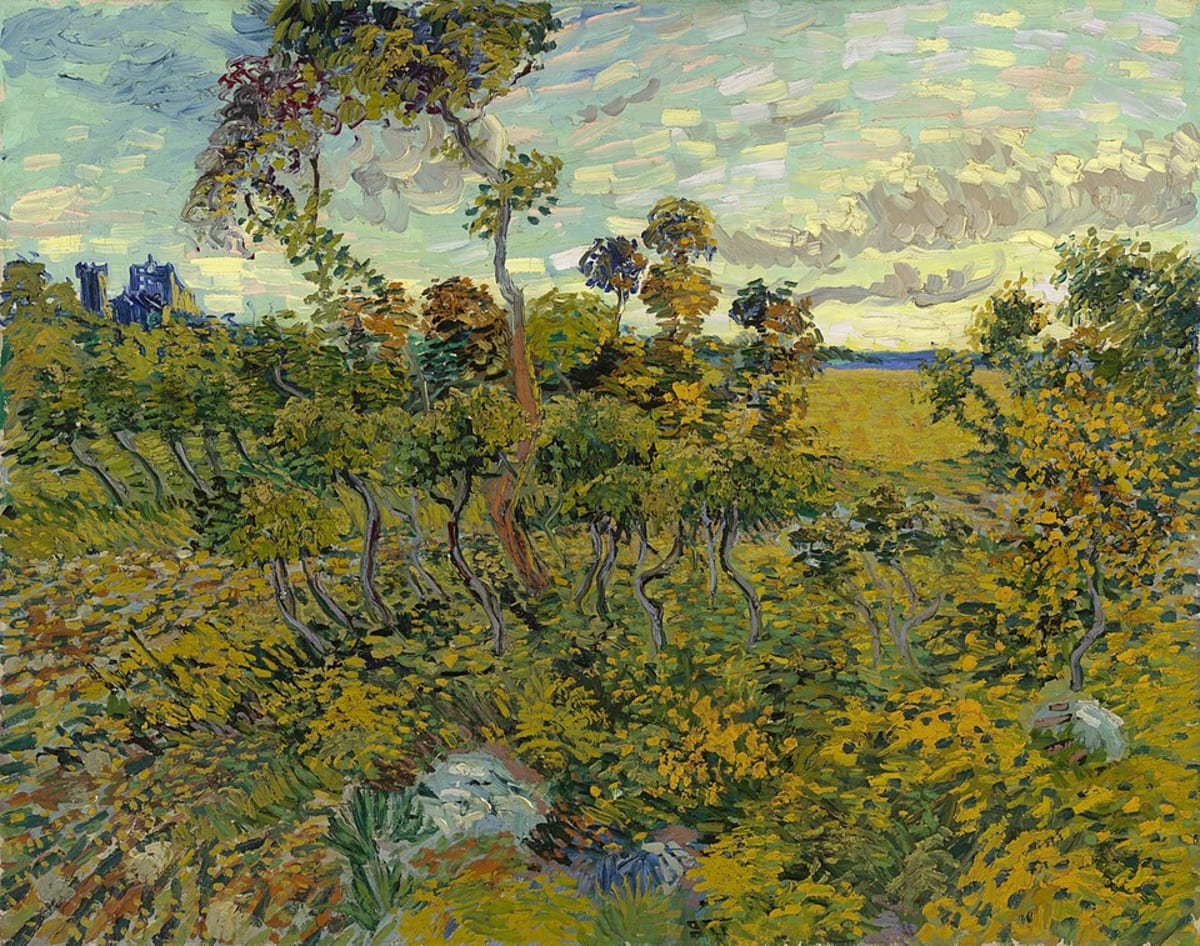
The real test came when they put their discovery to work on disputed paintings. "Sunset at Montmajour" had been languishing in an attic for over a century after its 1908 purchase. The Van Gogh Museum in Amsterdam authenticated it in 2013 using historical letters and chemical analysis of the paint.
When scientists ran their fractal analysis, the brushstrokes fell perfectly within Van Gogh's range. The technology confirmed what the experts believed.
Then came "The Plowmen," a small oil-on-wood panel discovered in Paris during the 1990s. The Van Gogh Museum had already rejected it as a clever imitation in the early 2000s, but the press remained skeptical.
The fractal analysis settled the debate once and for all. The painting scored far outside Van Gogh's established range, confirming it was a forgery.
Why This Inspires
This breakthrough represents something bigger than catching art criminals. It shows how modern science can honor and protect the work of artists who never received recognition during their lifetimes.
Van Gogh sold only one painting before his death in 1890. Today, his work inspires millions and commands astronomical prices, making it a prime target for forgers looking to make a fortune.
By blending cutting-edge technology with traditional art expertise, scientists are ensuring that future generations will experience authentic Van Gogh masterpieces. They're protecting not just paintings, but the genuine expression of an artist who poured his soul onto every canvas.
The art forgery business just got a whole lot harder, and that's a masterpiece in itself.
More Images
Based on reporting by Upworthy
This story was written by BrightWire based on verified news reports.
Spread the positivity!
Share this good news with someone who needs it