Vietnam, Saudi Arabia Build Homegrown EV Industries
Countries once shut out of the car industry are building their own electric vehicle brands, proving that the shift to EVs is opening doors for newcomers. Vietnam's VinFast now dominates 99% of its home market while Turkey's TOGG outsells Tesla locally.
The electric vehicle revolution is rewriting the rules of who gets to build cars, and emerging economies are seizing the moment.
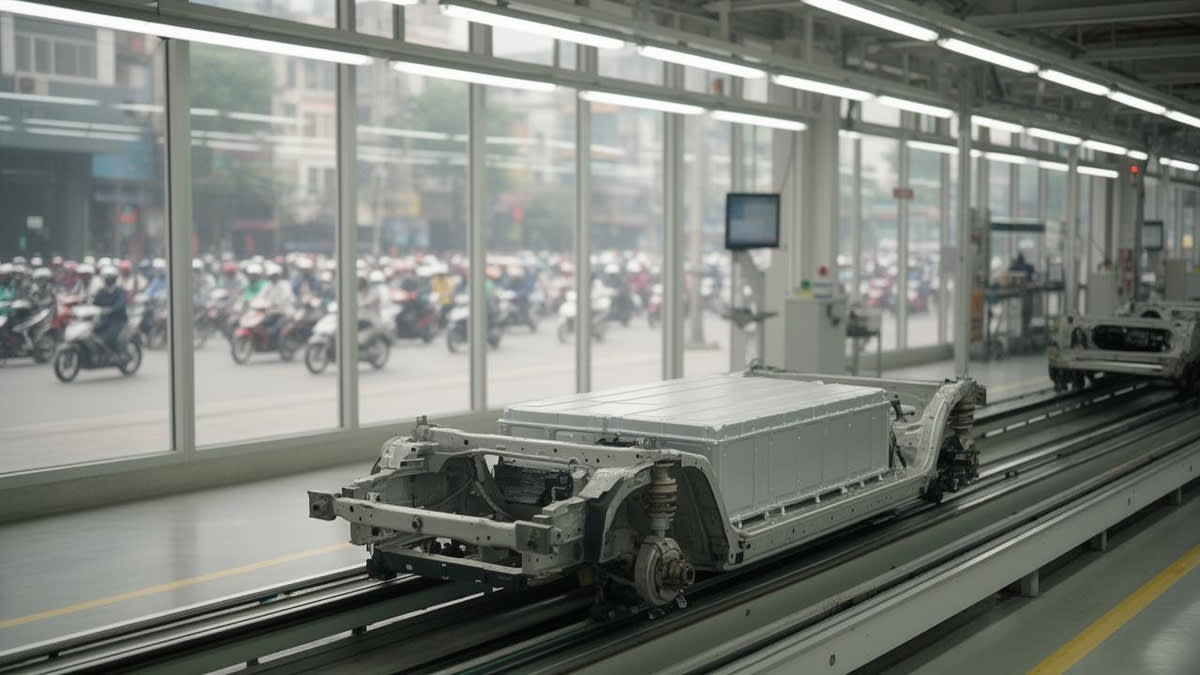
For decades, breaking into the automotive industry seemed nearly impossible. Traditional cars require roughly 30,000 components, complex engine technology, and supply chains that took generations to build. But electric vehicles need only about 12,000 parts, and the competitive edge has shifted to batteries, electronics, and software instead of combustion engines.
Vietnam is showing just how dramatic this shift can be. VinFast sold 175,000 vehicles last year, capturing more than 99% of Vietnam's EV market. That's double their 2024 numbers. The company transformed from a traditional carmaker into an EV specialist with backing from parent company Vingroup and strong government support.
Their strategy goes beyond just selling cars. Sister company V-Green controls 85% of Vietnam's charging infrastructure and offers free charging to VinFast owners, creating a powerful ecosystem that keeps customers loyal.
Saudi Arabia is taking a different approach, investing sovereign wealth fund money to build an entire EV industry from scratch. The kingdom partnered with Taiwan's Foxconn to create the Ceer brand and is constructing a massive production facility in King Abdullah Economic City. Mass production of their first SUV and sedan is set to begin this fall.
Turkey's TOGG sold 39,000 vehicles last year, beating both Tesla and BYD in the local market. The homegrown brand increased its vehicle localization rate from 51% to 75% in just one year.
In Mexico, the government-backed Olinia brand is developing ultra-affordable urban EVs priced between $4,500 and $7,500. Their first model charges from standard household outlets, solving the infrastructure challenge many developing nations face.
The Ripple Effect
These success stories are creating unexpected opportunities across the globe. As new carmakers emerge with limited manufacturing experience, established parts suppliers from countries like South Korea are finding fresh markets for their expertise and components.
The transformation also shows how climate solutions can level the playing field. Countries that missed the industrial revolution's automotive wave are now competing on equal footing, often with vehicles better suited to local needs and budgets than expensive imports.
Morocco is leveraging its proximity to Europe and massive phosphate reserves to become an EV export hub. Brazil's Lecar is developing electric vehicles that run on locally abundant ethanol. Each country is writing its own playbook rather than copying the old one.
The automotive industry's century-long hierarchy is being redrawn, proving that when technology shifts, so does opportunity.
More Images
Based on reporting by Regional: saudi arabia development (SA)
This story was written by BrightWire based on verified news reports.
Spread the positivity!
Share this good news with someone who needs it