Wales Oil Disaster Led to 30 Years of Shipping Safety Wins
Three decades after 72,000 tons of crude oil devastated Wales' coast, the Sea Empress disaster sparked a quiet revolution that made shipping safer worldwide. Double-hulled tankers and new emergency systems now prevent countless spills.
The beaches of Pembrokeshire were silent 30 years ago, waves sliding over tar-smudged sand where children once played. On February 15, 1996, the Sea Empress oil tanker struck rocks and spilled 72,000 tons of crude oil along Wales' coast in Britain's worst oil disaster in a generation.
Over a stormy week, the damaged tanker grounded repeatedly while authorities struggled to contain the spreading oil. Weather made everything worse, and competing interests slowed the response as 120 miles of coastline turned black.
Birds died. Shellfish populations crashed. The tourism industry that families depended on collapsed overnight.
But the disaster became a turning point for maritime safety worldwide. Within three years, the UK created a single empowered decision-maker role to cut through confusion during maritime emergencies, ensuring no ship would drift helplessly again while authorities argued over who was in charge.
The changes went deeper. International laws were amended to phase out single-hull tankers, replacing them with double-hulled ships designed with two completely watertight layers of steel. By the mid-2010s, single-hull tankers had vanished from mainstream trade.
That quiet revolution prevented countless spills over the past 30 years. Ships now carry millions of gallons of oil safely past vulnerable coastlines that would have been devastated under the old system.
The UK also mapped marine environmental high-risk areas to warn where mistakes become catastrophes. A national contingency plan now connects government, ports, regulators and scientists from the first emergency call to cleanup completion.
Scientists learned that hitting oil spills hard at sea saves coastlines. With the Sea Empress, rapid evaporation and chemical dispersants kept 35 to 45 percent of the oil from ever reaching shore, teaching responders that early action in open water beats scraping tar off beaches later.
The Ripple Effect
The lessons spread far beyond Wales. Countries around the world adopted double-hull requirements and clearer command structures for maritime emergencies. Training improved for pilots guiding ships through tricky passages.
Environmental scientists now use the Sea Empress response as a teaching case for what works when disaster strikes. The coordinated approach developed after 1996 became a template copied globally.
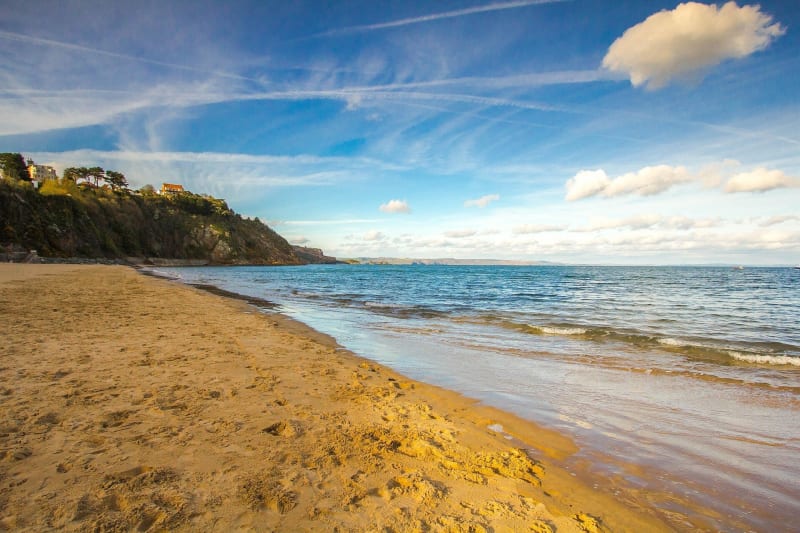
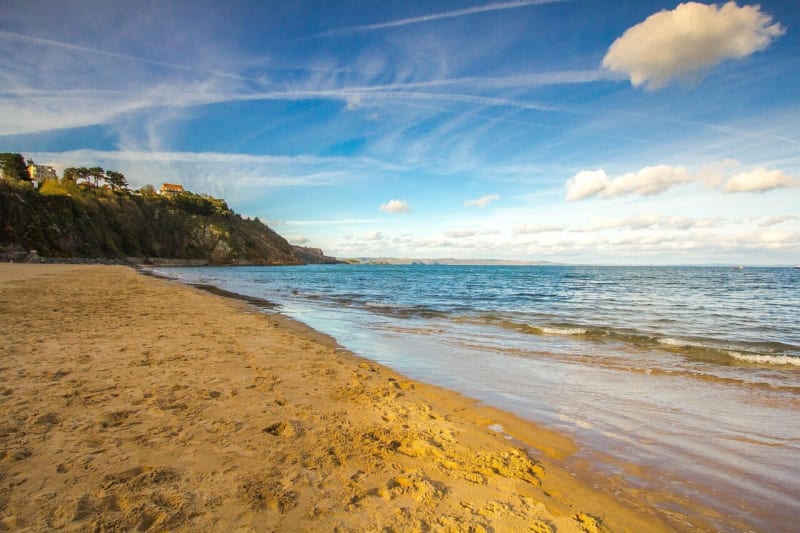
Today, Pembrokeshire's beaches are crowded again with families eating ice cream and paddling in rockpools. The tourism industry recovered, supported by waters that grew cleaner as new safety systems took hold.
Thirty years later, the waters where the Sea Empress grounded see far larger ships carrying liquefied natural gas to fuel British homes. But those ships sail with double hulls, better navigation, stronger emergency plans, and the hard-won wisdom of a disaster that changed shipping forever.
Progress sometimes emerges from tragedy, transforming loss into protection for generations to come.
More Images

Based on reporting by Phys.org
This story was written by BrightWire based on verified news reports.
Spread the positivity!
Share this good news with someone who needs it