Waste Heat Can Now Make Clean Hydrogen Fuel at 500°C
British scientists developed a catalyst that produces hydrogen at temperatures low enough to use waste heat from factories, potentially turning industrial pollution into clean fuel. The breakthrough could make hydrogen cheaper than current green energy methods.
Scientists just found a way to turn the heat that normally escapes from steel mills and cement plants into clean hydrogen fuel.
Researchers at the University of Birmingham created a new catalyst that splits water into hydrogen at temperatures between 150°C and 500°C. That's a game changer because most current systems need scorching temperatures above 1,300°C to work.
Professor Yulong Ding and his team used a material called perovskite, made from common elements like barium and iron. The catalyst works at temperatures low enough that factories already producing waste heat could use it without major upgrades.
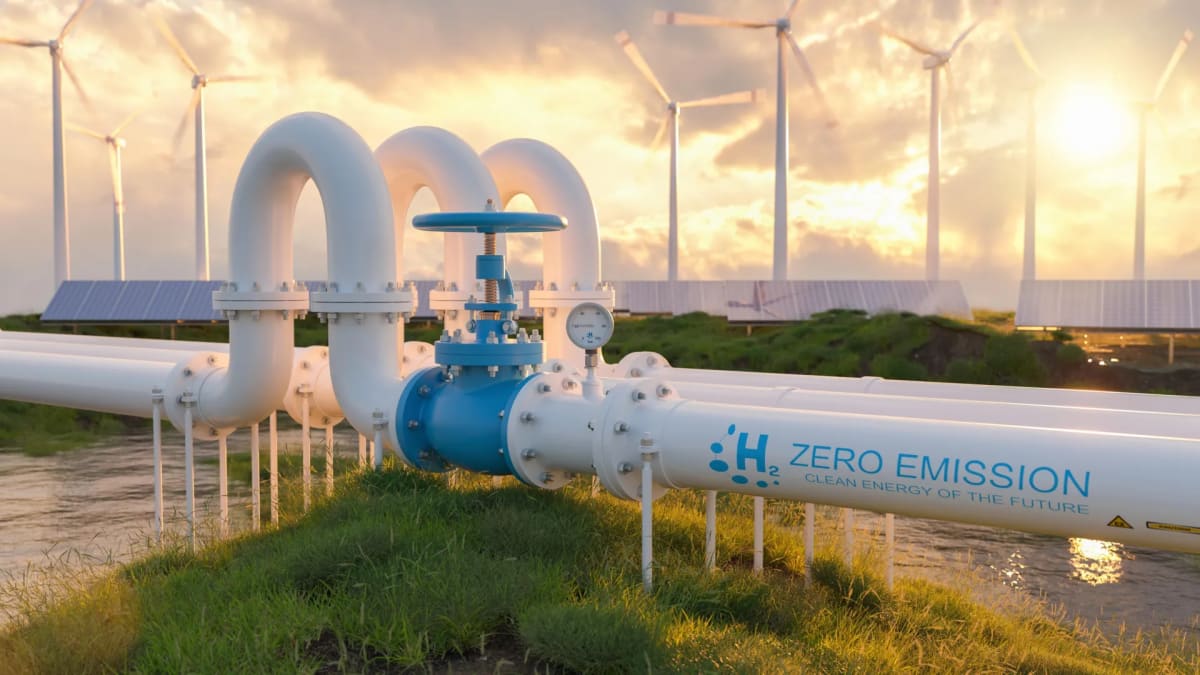
Here's why that matters. Around 95% of hydrogen today comes from fossil fuels, releasing carbon dioxide in the process. Clean alternatives exist, but they're expensive. Electrolysis splits water using electricity, but it costs more than fossil fuel methods and provides only 4% of global hydrogen supply.
The Birmingham breakthrough changes the economics. Early cost analyses suggest their method could produce hydrogen cheaper than both green hydrogen from electrolysis and blue hydrogen from methane with carbon capture.
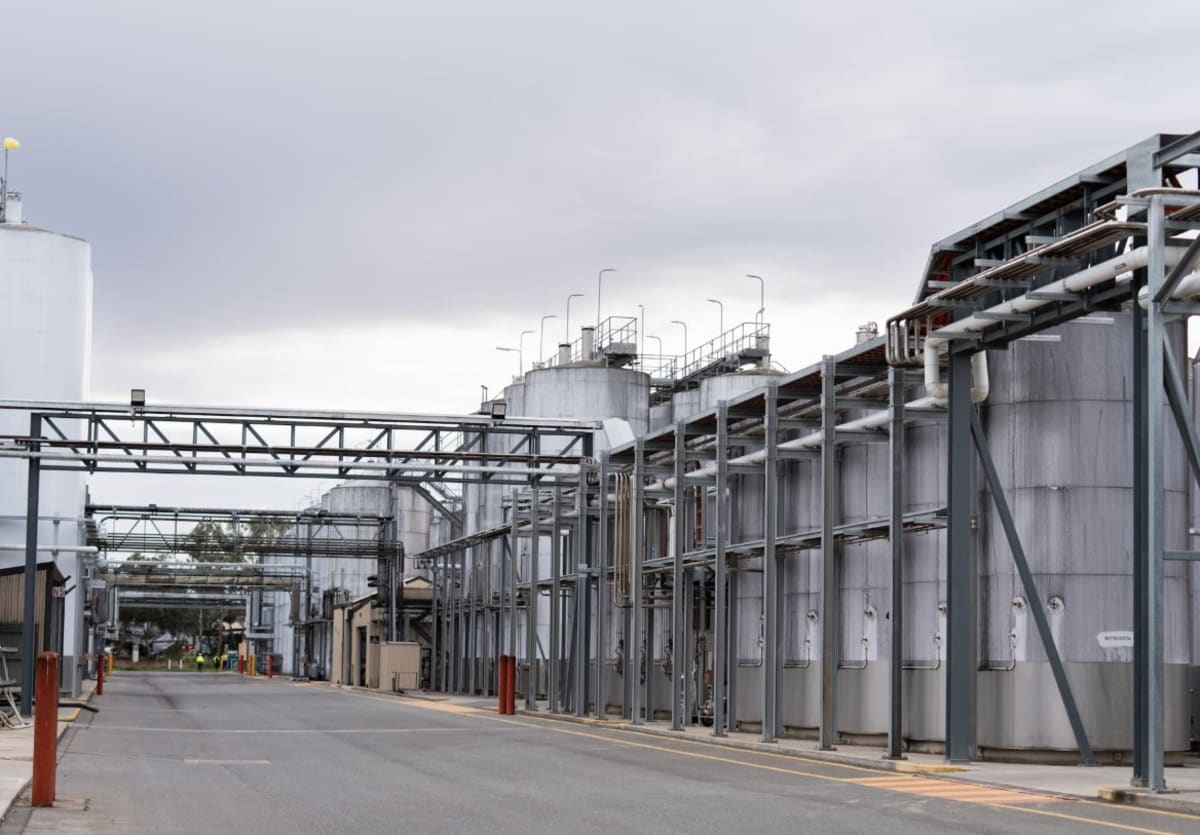
The timing couldn't be better. Steel plants, cement factories, glass manufacturers, and chemical facilities all generate massive amounts of waste heat that currently vanishes into the atmosphere. This technology lets them capture that energy and turn it into usable fuel.
The Ripple Effect
The benefits extend beyond individual factories. Renewable energy plants often generate electricity in remote locations, far from cities that need it. These sites could now produce hydrogen locally using their excess heat, avoiding expensive storage and transport infrastructure.
Countries with cheap renewable electricity stand to gain the most. Australia, for instance, could produce hydrogen at significantly lower costs than current methods allow.
The research team tested a version called BNCF100 and found it could run through multiple production cycles while maintaining performance. The materials are abundant, relatively simple to manufacture, and contain no toxic ingredients.
University of Birmingham Enterprise filed a patent application and is now seeking commercial partners in the UK and Europe to scale up the technology.
If factories start converting their waste heat into hydrogen, they're not just cutting emissions. They're creating a new revenue stream from energy that used to disappear, making clean fuel production profitable instead of just environmentally responsible.
Based on reporting by Google News - Renewable Energy Breakthrough
This story was written by BrightWire based on verified news reports.
Spread the positivity!
Share this good news with someone who needs it