Watch the Moon Hide Venus in Broad Daylight on June 17th
The Moon will pass directly in front of Venus this Wednesday afternoon in a rare daytime sky show visible across the U.S. and Canada. You won't need a telescope to catch this once-in-five-years cosmic alignment.
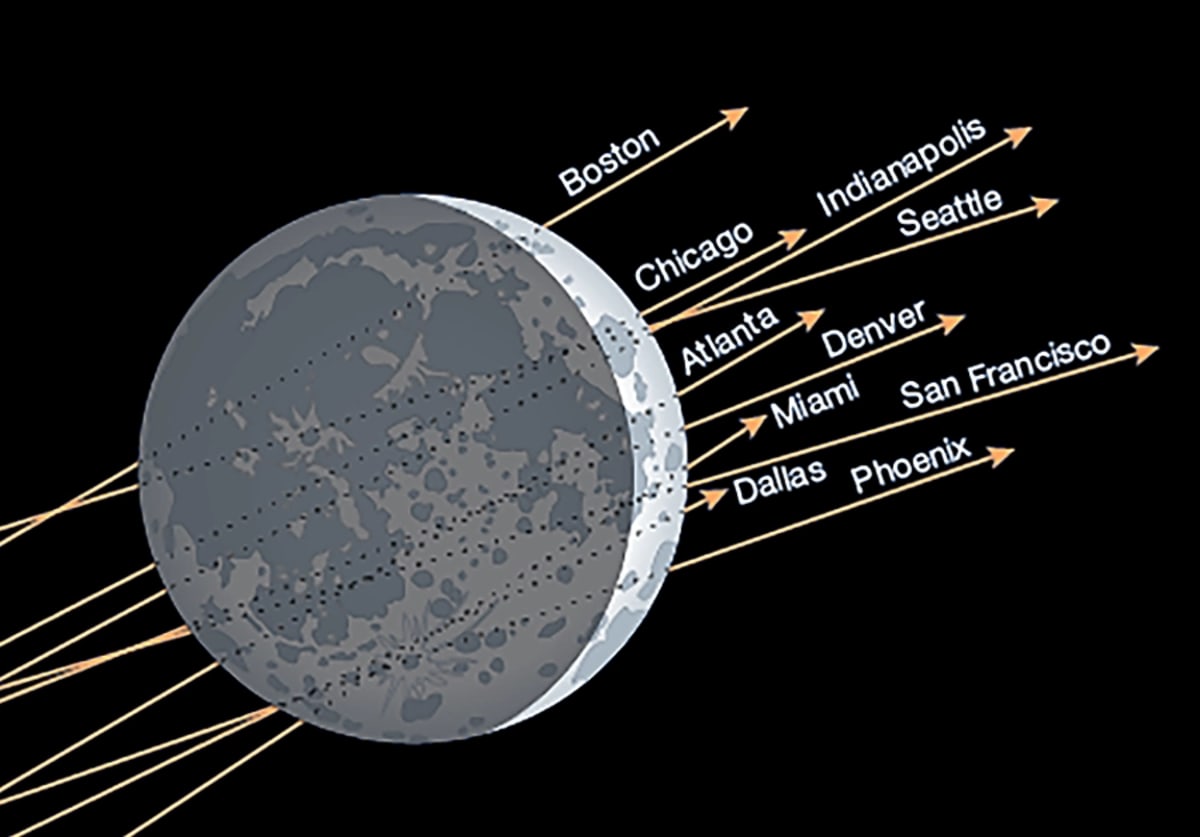
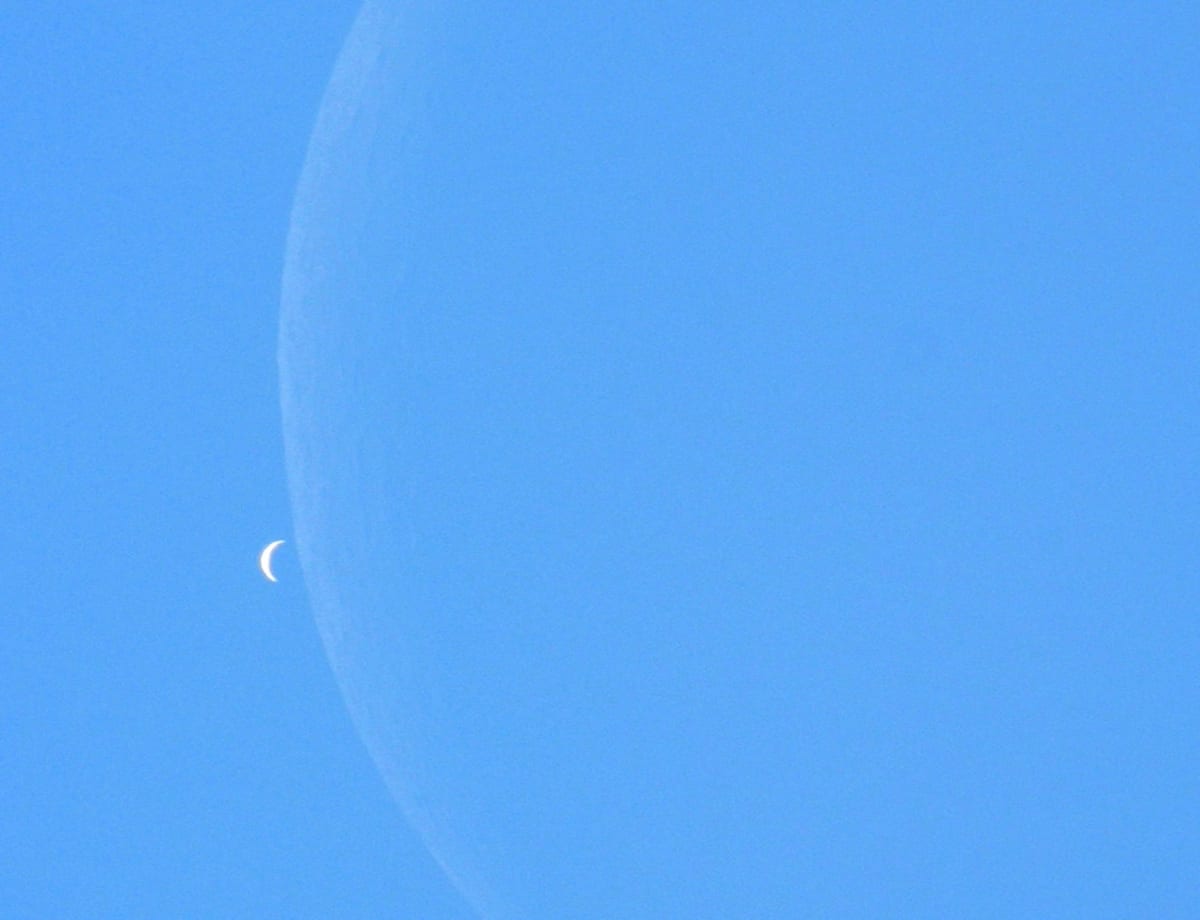
This Wednesday afternoon, sky watchers across North America get front-row seats to a celestial disappearing act. The crescent Moon will glide directly in front of Venus, completely hiding our brightest planet for over an hour in broad daylight.
The rare occultation happens June 17th for viewers in the lower 48 states, most of Canada, and parts of northeastern South America. The Moon will be a thin crescent, just 11% illuminated and three days old.
Finding the show is easier than you'd think. Step outside around midday and locate the crescent Moon (blocking the Sun behind a building or tree helps). Venus will appear as a bright white spark just to the Moon's left, visible even without binoculars if you know where to look.
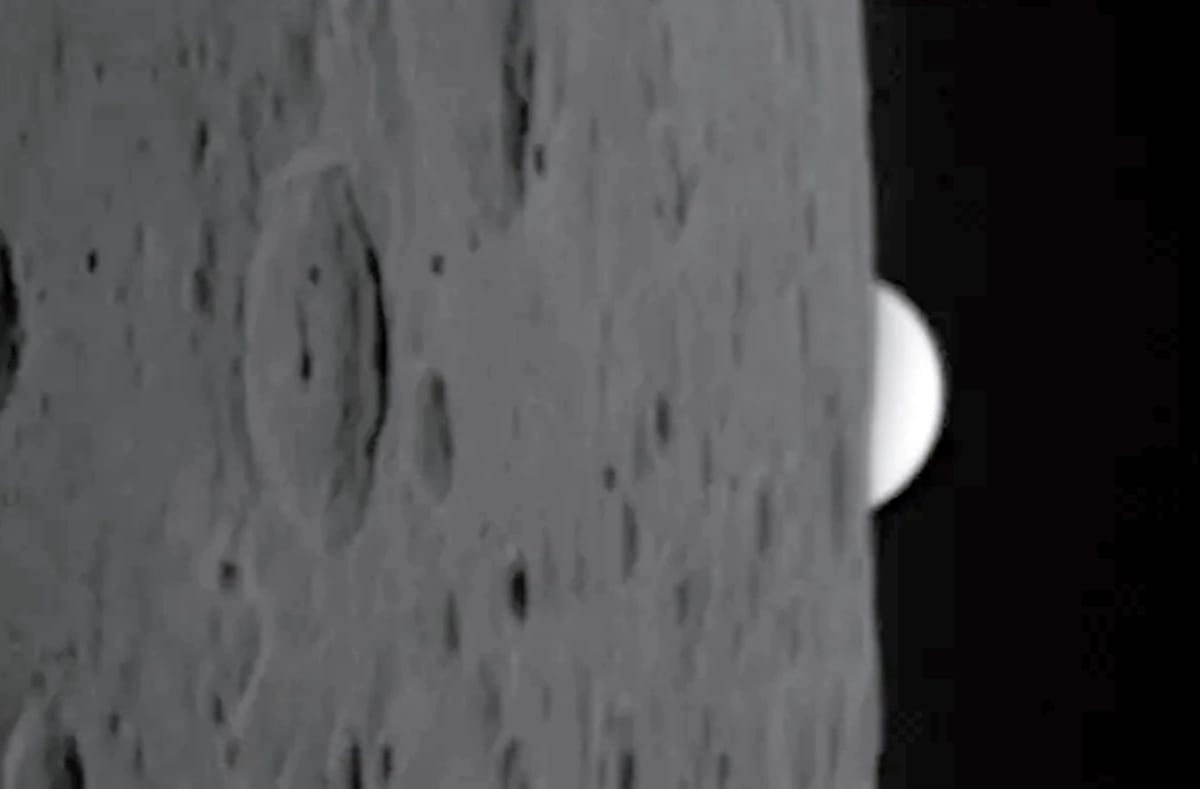
The Moon's dark edge will touch Venus first, making the planet seem to vanish into blue sky. In Chicago, this happens at 2:24 p.m. local time and takes about 27 seconds. More than an hour later, Venus will dramatically reappear at the Moon's bright edge, rising above the lunar surface like a miniature Earthrise.
With binoculars or a small telescope, the view gets even better. Venus currently shows a gibbous phase, appearing 74% lit like a tiny football. The brightness difference between the two worlds is stunning: Venus's thick clouds reflect 75% of sunlight while the Moon's battered surface reflects just 12%.
Why This Inspires: We live on a spinning rock where predictable cosmic dances happen right overhead in the middle of our workday. You don't need special equipment or dark skies to witness something genuinely rare. This occultation won't repeat for U.S. viewers until October 2029, making Wednesday's show a legitimate "don't miss it" moment.
The International Occultation Timing Association provides exact times for your city on their website. Sky apps like Stellarium Mobile can simulate the view from your exact location.
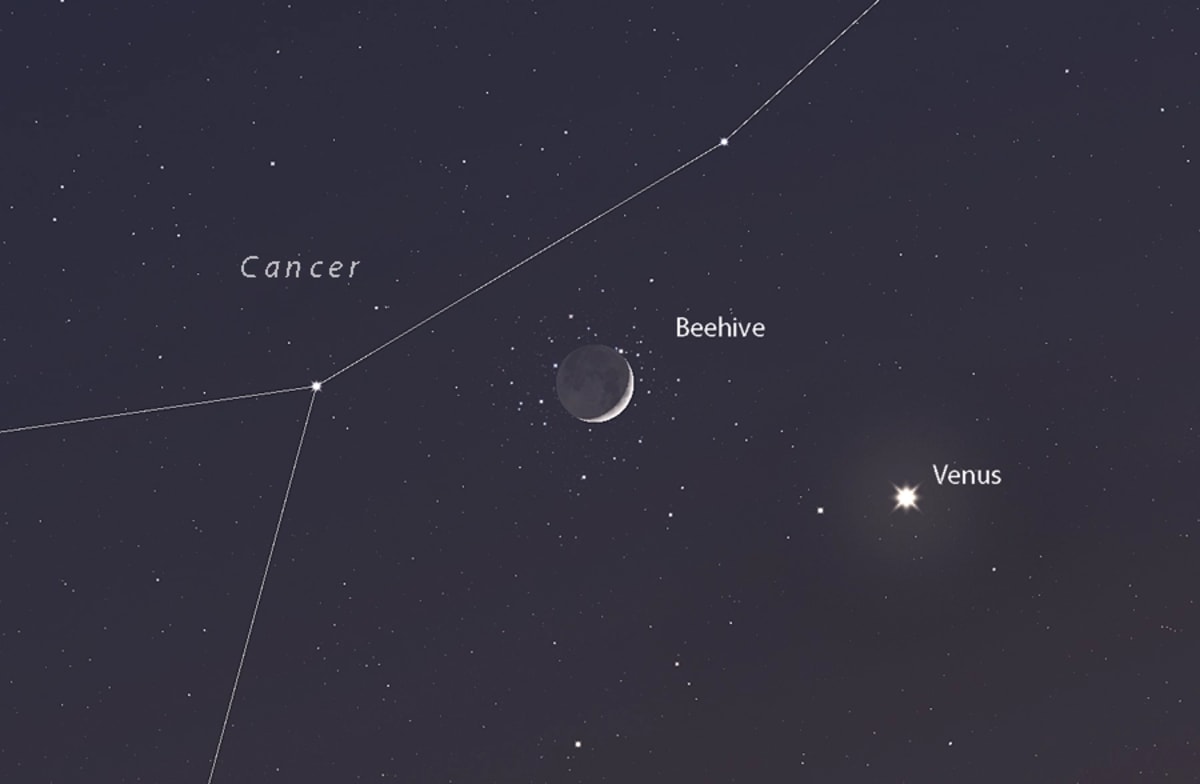
As a bonus, East Coast observers can watch the Moon pass directly in front of the Beehive star cluster that same evening after sunset. Two cosmic alignments in one day proves the universe still knows how to put on a show.
Step outside Wednesday afternoon and look up.
More Images

Based on reporting by Sky & Telescope
This story was written by BrightWire based on verified news reports.
Spread the positivity!
Share this good news with someone who needs it