Webb and Hubble Reveal Ancient 4-Generation Star System
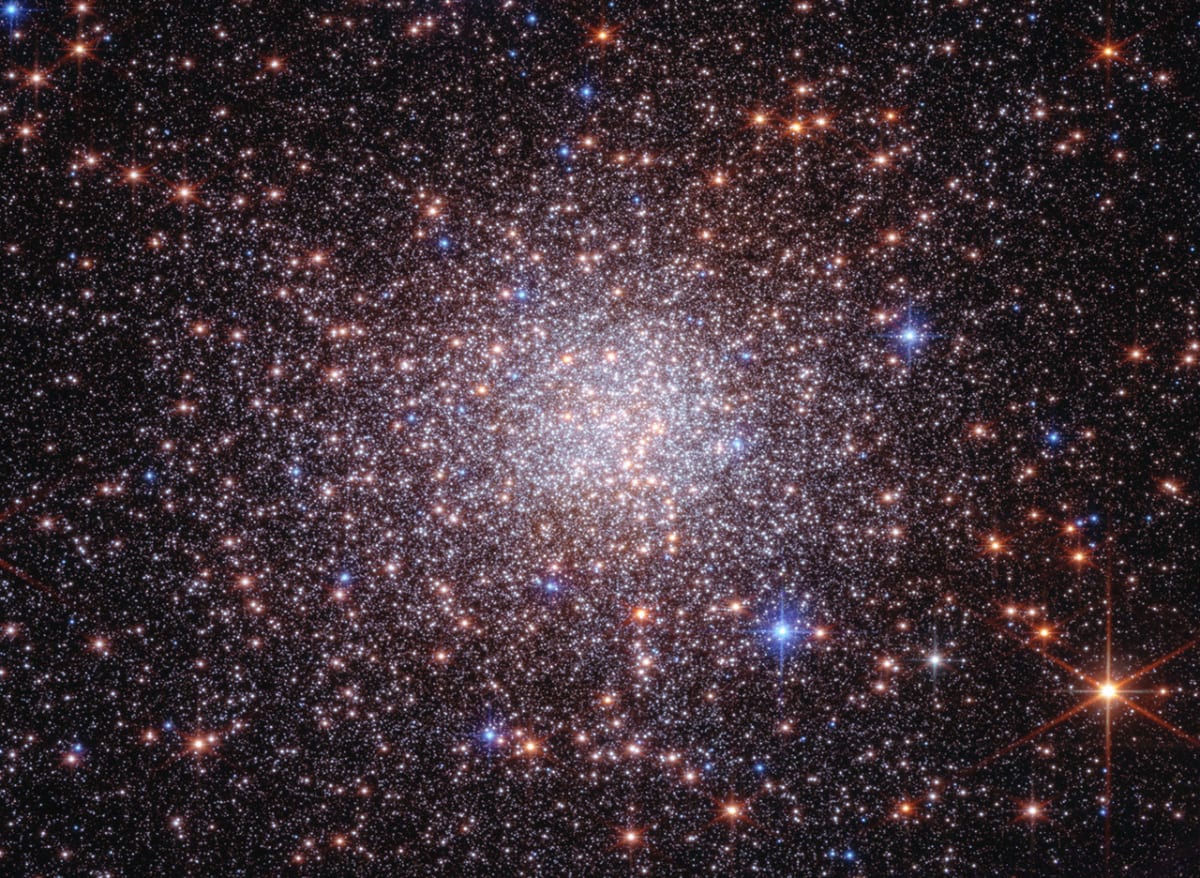
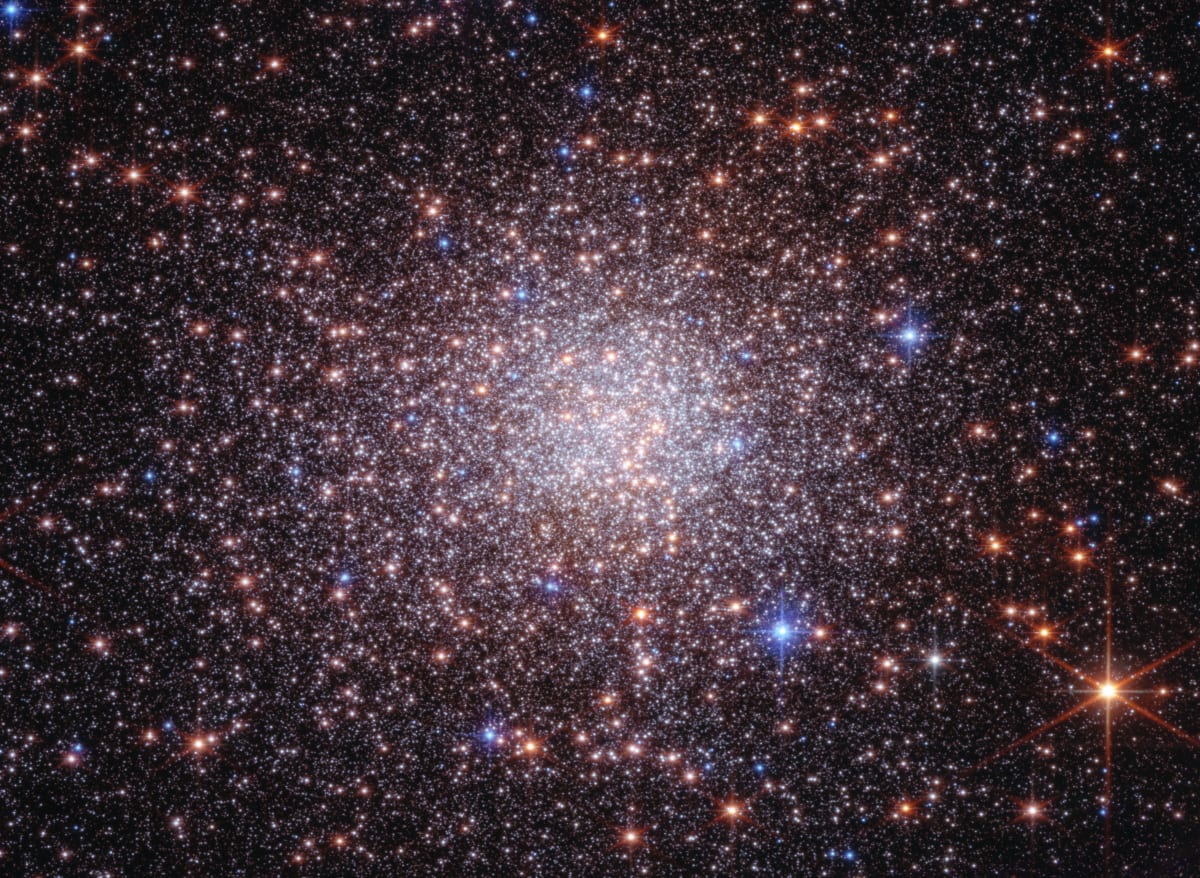
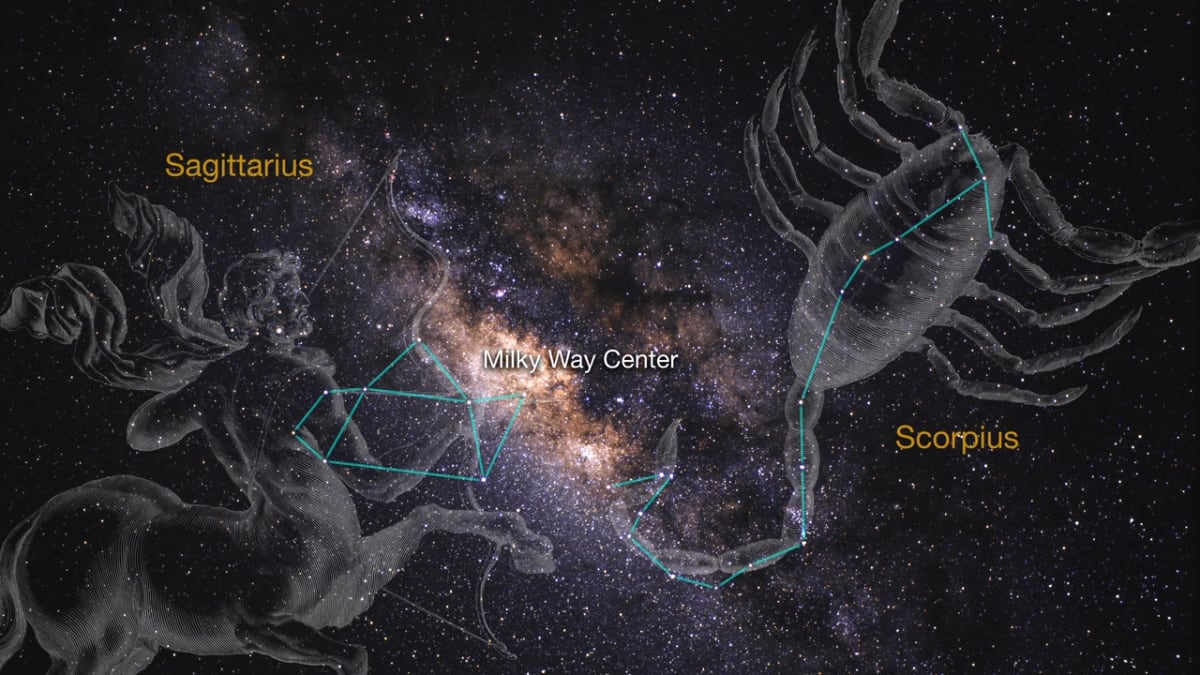
NASA's most powerful telescopes just confirmed that Terzan 5, a mysterious cluster in our Milky Way, contains four generations of stars spanning 10 billion years. This cosmic time capsule is rewriting what we know about how galaxies form and survive.
Scientists have discovered something extraordinary hiding in plain sight within our own galaxy: a stellar system that has been making new stars for over 12 billion years.
Terzan 5, long mistaken for a simple star cluster, is actually a cosmic relic that preserves four distinct generations of stars. The oldest formed when our universe was barely a billion years old, while the youngest emerged just 2.5 billion years ago.
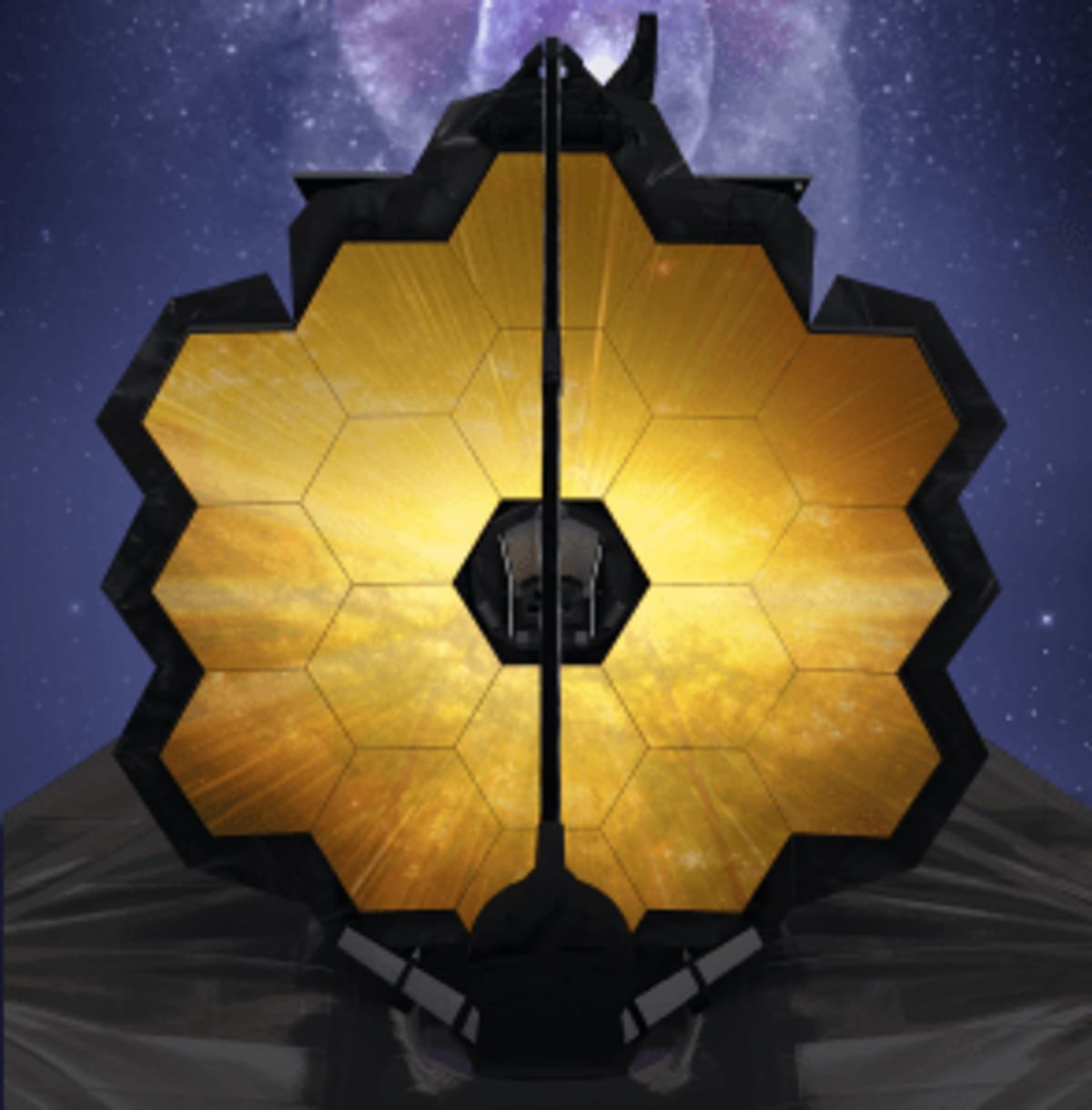
Researchers led by PhD student Giorgia Zullo from the University of Bologna combined observations from NASA's James Webb and Hubble Space Telescopes to piece together this remarkable history. Webb's infrared vision pierced through thick dust clouds, while Hubble tracked the tiny movements of individual stars over 12 years to identify which ones belonged to the system.
The discovery solves a puzzle that has intrigued astronomers since 2009. Unlike typical star clusters that form once and never again, Terzan 5 kept creating new stars in waves across billions of years.
The secret to its longevity was mass. Terzan 5 was heavy enough to hold onto the raw materials ejected by exploding supernovas, while lighter systems lost their gas and dust to space. Each generation of dying stars enriched the next with heavier elements, creating a fossil record astronomers can now read.
Why This Inspires
This discovery shows us that some things in nature have remarkable staying power. While the rest of the Milky Way's bulge mixed and blended over billions of years, Terzan 5 maintained its identity like a stubborn lump in cosmic cake batter.
The breakthrough also highlights what humans can achieve when we build tools that work together across decades. Hubble launched in 1990, while Webb only began operations in 2022. By combining their unique strengths, scientists unlocked secrets neither telescope could reveal alone.
Understanding systems like Terzan 5 helps astronomers piece together how galaxies form and evolve. Every ancient star cluster tells part of the story of how simple hydrogen became the complex universe we inhabit today.
The research team presented their findings at the American Astronomical Society meeting and published them in Astronomy & Astrophysics. They're now studying other suspected ancient systems that might have similar hidden histories.
Four generations of stars, all born from the same cosmic parent, still shining together after billions of years.
More Images
Based on reporting by Google News - Science
This story was written by BrightWire based on verified news reports.
Spread the positivity!
Share this good news with someone who needs it