Webb Telescope Captures Baby Planet 525 Light-Years Away
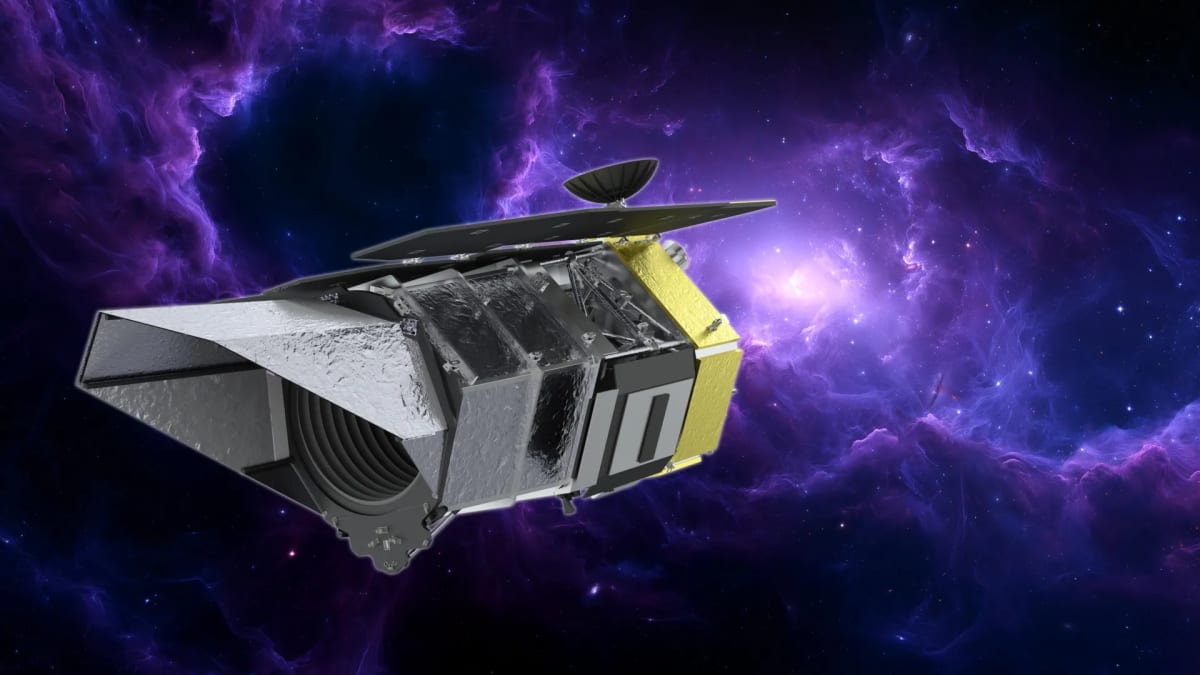
The James Webb Space Telescope has captured an unprecedented image of a planet actually forming in real time, just 525 light-years from Earth. Scientists are watching material gather and swirl as a new world assembles itself from cosmic dust.
Astronomers have just witnessed something extraordinary: a planet being born.
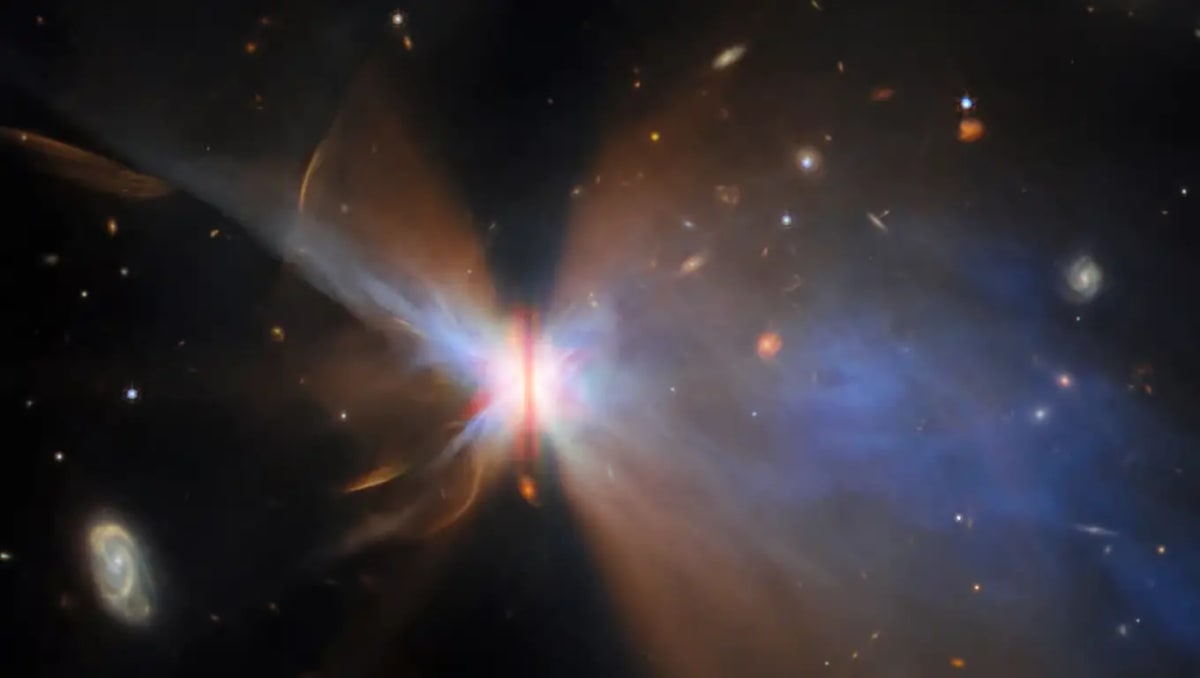
Using the James Webb Space Telescope, researchers captured a stunning image of a young planet forming within a swirling disk of gas and dust 525 light-years away. The observation offers scientists a front-row seat to one of the universe's most complex and mysterious processes.
Planet formation happens inside massive disks surrounding young stars, but these regions are usually hidden behind thick clouds of material. Webb's advanced infrared vision can pierce through the dust to reveal what was previously invisible to astronomers.
In this case, scientists spotted a bright region within the protoplanetary disk where a forming planet is actively pulling material toward itself. "We are essentially witnessing a planet assembling itself in real time," one astronomer explained.
Direct observations like this are incredibly rare. While astronomers have detected indirect signs of planet formation before, actually seeing it happen provides unprecedented detail about how material accumulates, how gaps form in the surrounding disk, and how young planets interact with their environment.
At 525 light-years away, the system is relatively close by cosmic standards. This proximity makes it perfect for long-term study, and scientists hope continued monitoring will reveal how the planet evolves over time.
Why This Inspires
This discovery connects us directly to our own origins. The processes unfolding 525 light-years away likely mirror what happened in our solar system billions of years ago when Earth itself was forming.
The James Webb Space Telescope continues to revolutionize astronomy, from revealing distant galaxies to exploring nearby stellar nurseries. Each observation expands our understanding of how the universe works and our place within it.
Catching a planet in the act of forming is like photographing lightning. The universe is full of forming planets, but the process unfolds over millions of years, making snapshots exceptionally difficult to capture.
For researchers studying this cosmic nursery, the image represents something profound: a direct look at the birth of a new world, frozen in a single extraordinary moment that took 525 years to reach our telescopes.
Based on reporting by Google: James Webb telescope
This story was written by BrightWire based on verified news reports.
Spread the positivity!
Share this good news with someone who needs it