Webb Telescope Finds Different Sunrises on Alien World
The James Webb Space Telescope discovered that a distant planet's morning and evening skies look completely different, confirming decades of scientific theories about alien worlds. The breakthrough shows how powerful winds reshape entire planetary atmospheres.
Scientists just watched a sunrise and sunset on a planet 880 light-years away, and they look nothing alike.
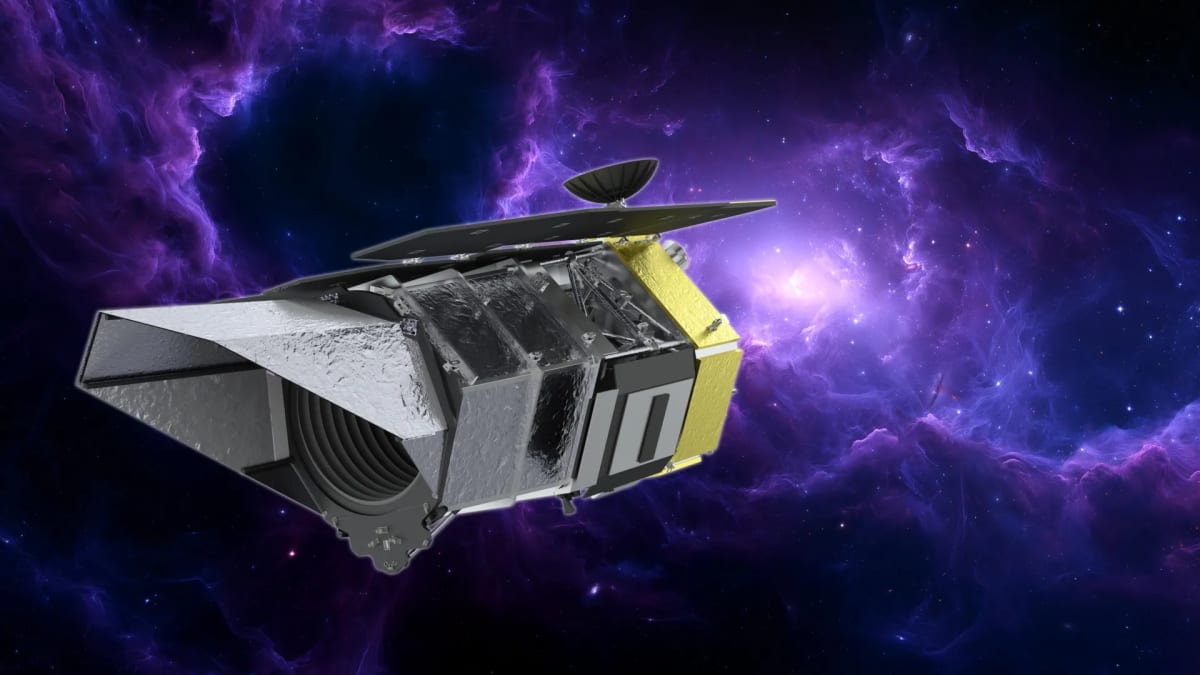
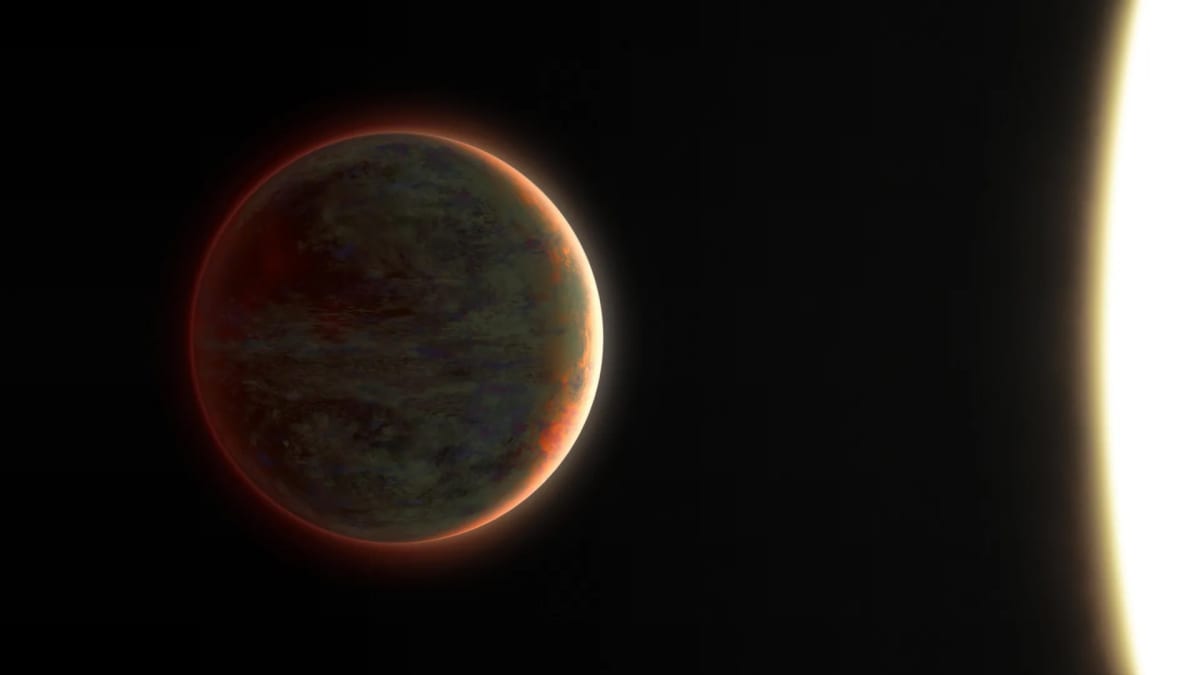
The James Webb Space Telescope captured stunning new details about WASP-121 b, a massive gas giant locked in such a tight orbit around its star that one side permanently faces scorching heat while the other stays frozen in eternal night. For the first time, astronomers measured the thin boundary zones between these extremes and found them wildly different from each other.
The evening side of the planet appears hotter and puffier than the morning side. Powerful winds, racing at thousands of miles per hour, carry heat from the blazing day side toward the cooler night side, warming up the evening region along the way.
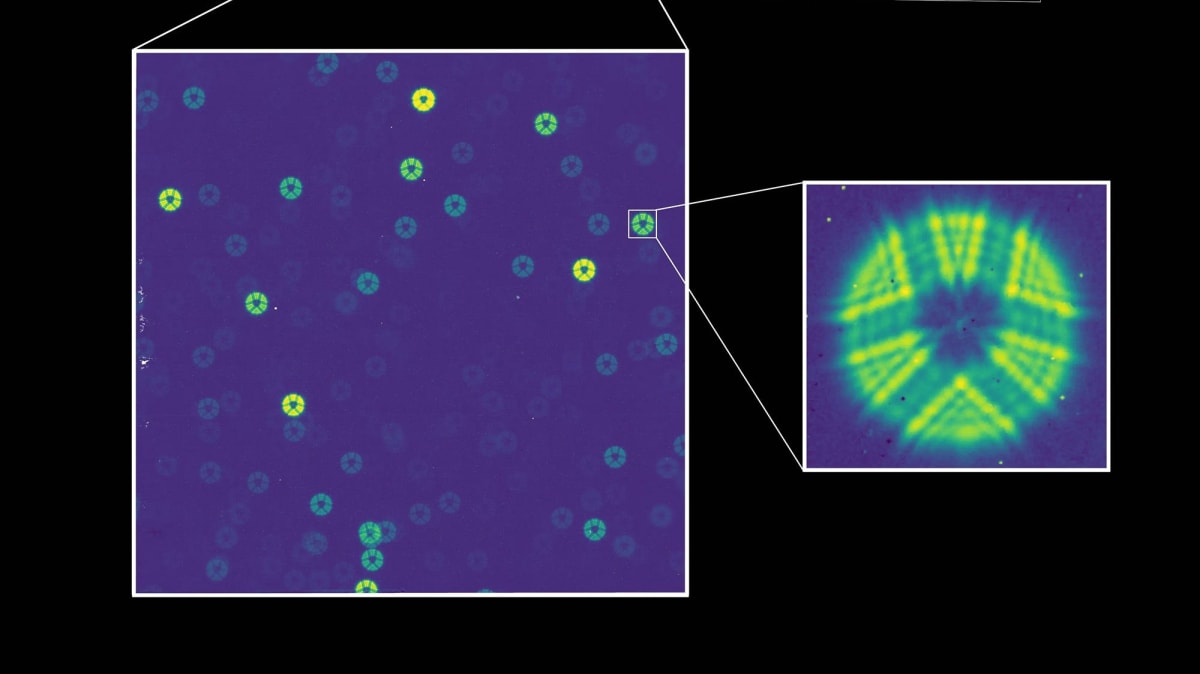
Cyril Gapp from the Max Planck Institute for Astronomy led the team that made this discovery. They watched infrared starlight filter through the planet's atmosphere as WASP-121 b crossed in front of its host star, measuring how different gases absorbed that light at different moments during the transit.
The data revealed something remarkable: the evening side absorbed more starlight than the morning side. As the atmosphere heats up, it expands like a hot air balloon, creating a bigger target for incoming light.
The temperature difference is extreme. The day side reaches nearly 2,500 degrees Celsius, hot enough to vaporize iron. The night side cools to a relatively chilly 725 degrees Celsius, still hotter than molten lava on Earth.
Water molecules tell part of the story. The telescope detected less water vapor in the hottest regions because the extreme heat literally tears water molecules apart into hydrogen and oxygen atoms.
Why This Inspires
This discovery represents more than just mapping an alien world. For decades, scientists built computer models predicting how atmospheres should behave on tidally locked planets. They theorized about eastward winds, temperature asymmetries, and chemical breakdowns, but lacked the technology to test these ideas.
Tom Evans-Soma from the University of Newcastle, who helped determine the planet's temperature range, explains that WASP-121 b serves as a natural laboratory for understanding planetary physics under extreme conditions. The findings prove that theoretical predictions about distant worlds can be tested and confirmed with the right tools.
The James Webb Space Telescope's unprecedented sensitivity makes these observations possible. By watching how the planet rotates slightly during its transit, about 30 degrees total, astronomers can map different sections of the atmosphere with remarkable precision.
Every new detail about distant planets helps scientists understand the incredible diversity of worlds beyond our solar system, turning speculation into knowledge one observation at a time.
Based on reporting by Google: James Webb telescope
This story was written by BrightWire based on verified news reports.
Spread the positivity!
Share this good news with someone who needs it