Webb Telescope Finds Mystery Molecule on Pluto and Titan
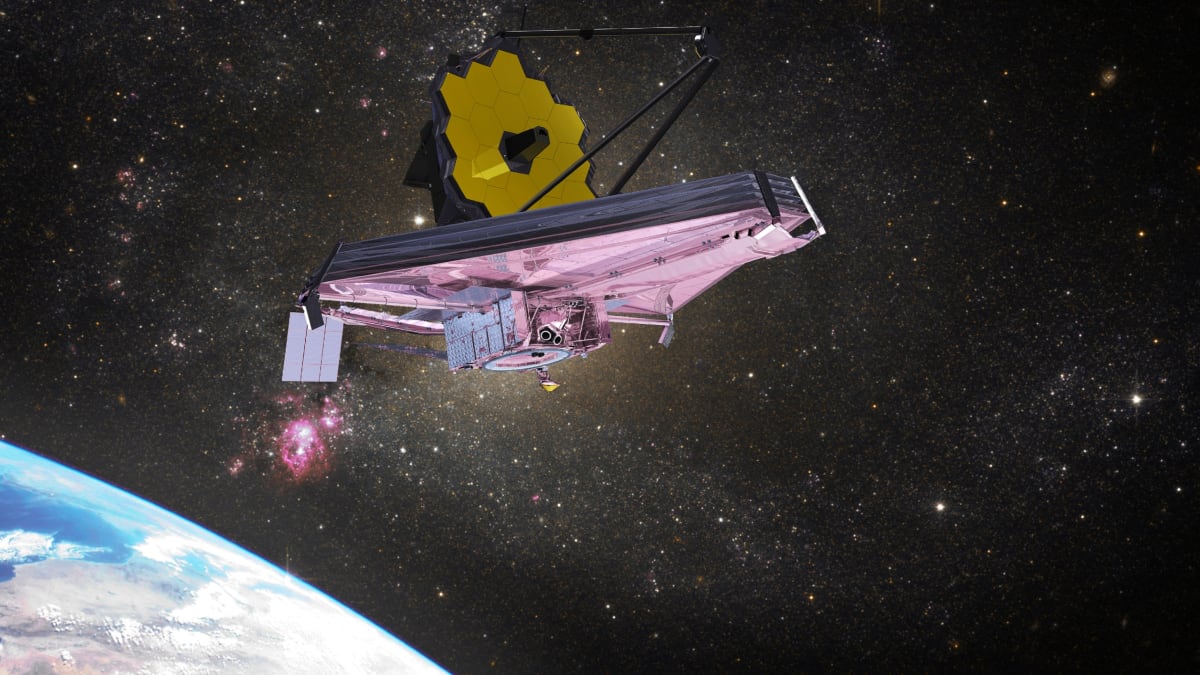
Scientists discovered an unknown substance on two distant worlds that exists nowhere else in our solar system. The James Webb Space Telescope detected a mysterious absorption pattern that could reveal brand new chemistry in space.
The James Webb Space Telescope just spotted something scientists have never seen before: a mystery molecule appearing on both Pluto and Saturn's moon Titan, but nowhere else in our solar system.
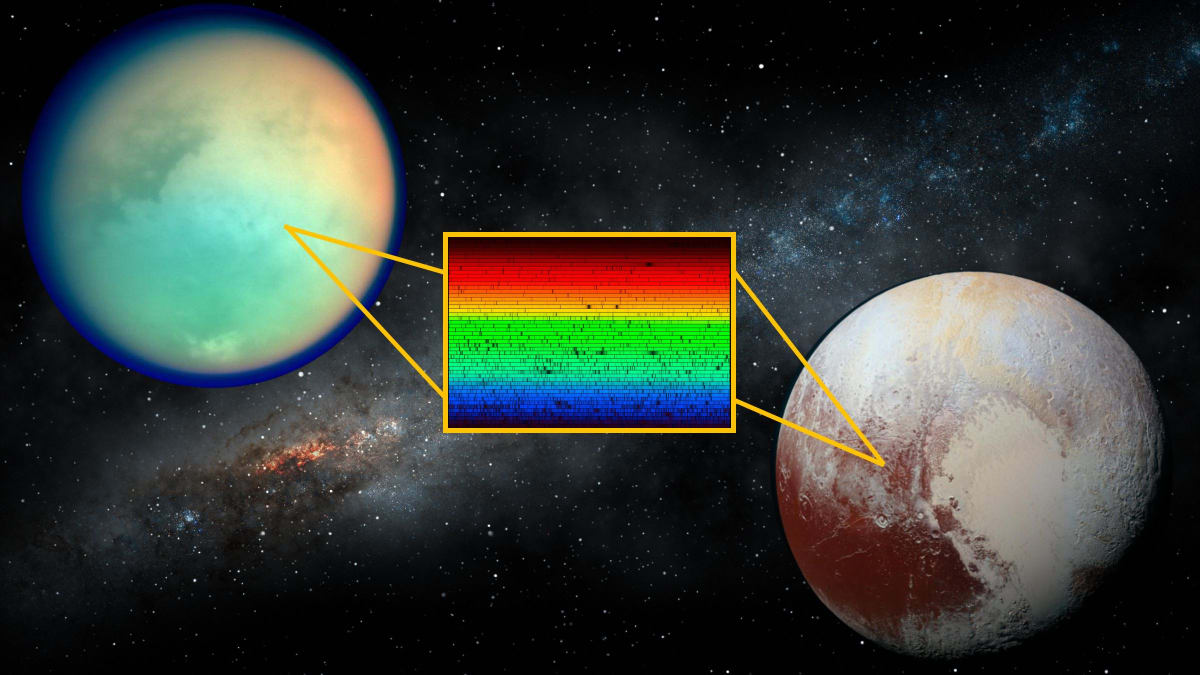
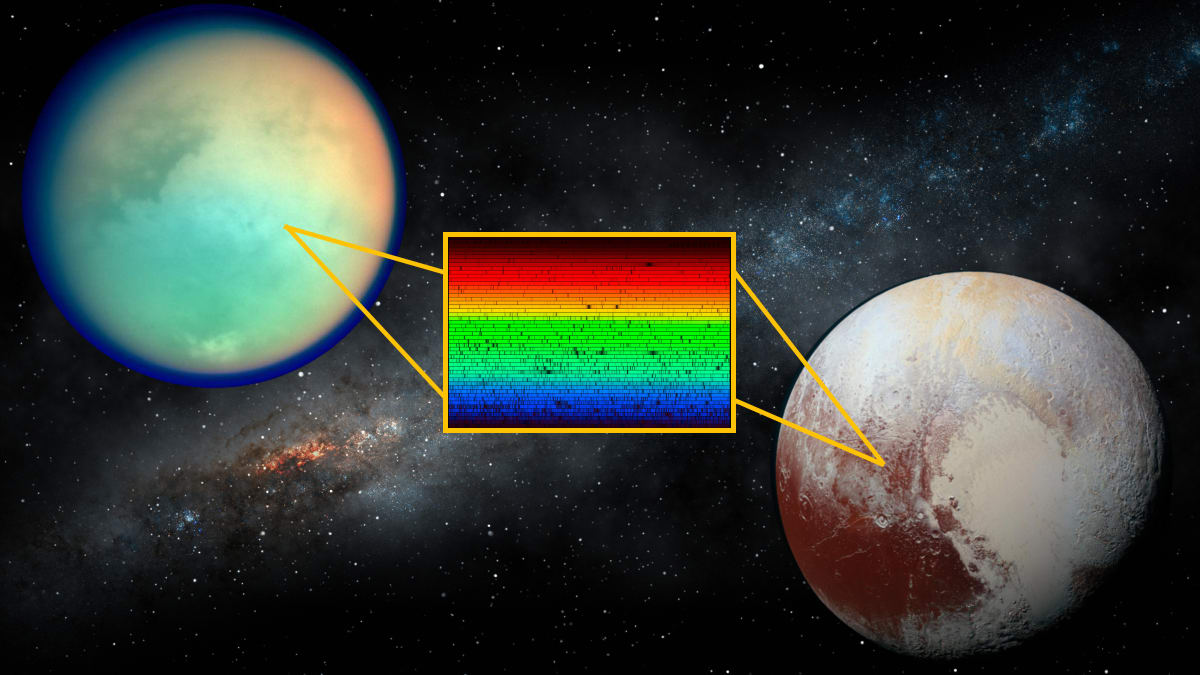
Researchers analyzing Webb's detailed light readings noticed something unusual. Both worlds absorbed light at exactly 5.11 micrometers, a wavelength that doesn't match any known chemical compound scientists have cataloged from across the solar system or beyond.
The discovery gets even more intriguing because Pluto and Titan are wildly different places. Titan, larger than Mercury, hosts liquid rivers and oceans on its surface and orbits relatively close to the sun. Pluto is a frozen dwarf planet half Titan's size, sitting four times farther from the sun in the cold outer reaches of our solar system.
Scientists identify substances on distant worlds by studying how they absorb light. Every element and molecule absorbs unique wavelengths, creating dark "absorption lines" like cosmic fingerprints. When Webb captured incredibly detailed spectra from both worlds, this mysterious 5.11 micrometer line appeared on both, stumping researchers who searched through databases of planetary observations.
The mystery deepens with distribution patterns. Pluto shows three times more of the unknown substance than Titan, suggesting vastly different abundances. On Titan, the molecule concentrates more heavily on the hemisphere trailing its orbit around Saturn, hinting at some dynamic process depositing or creating it.
While both worlds share methane and nitrogen rich atmospheres, researchers believe this mystery molecule lives on their surfaces, not floating in the air above. Scientists proposed candidates including benzene mixed with unknown compounds, or exotic ices made of acetylene or ketene, but confirming any match requires much more investigation.
Why This Inspires
This discovery showcases how new technology continues revealing surprises in our own cosmic backyard. Webb's unprecedented sensitivity lets scientists explore wavelengths never examined before, proving we still have so much to learn about worlds we've studied for decades.
NASA's Dragonfly spacecraft, launching in 2028 to explore Titan by 2034, could crack this chemical mystery. The helicopter-like craft will fly through Titan's atmosphere with instruments designed to identify exactly what's creating this puzzling signal, potentially solving the riddle for both worlds.
Our solar system just reminded us it still holds secrets waiting to be discovered.
More Images


Based on reporting by Live Science
This story was written by BrightWire based on verified news reports.
Spread the positivity!
Share this good news with someone who needs it