Webb Telescope Finds Saturn-Sized Planet With Earth Temps
Scientists discovered a rare giant planet with surprisingly comfortable temperatures and a methane-rich atmosphere. The finding opens new doors for understanding how planets form and evolve.
Astronomers just spotted something remarkable 330 light years away: a planet that breaks all the usual rules.
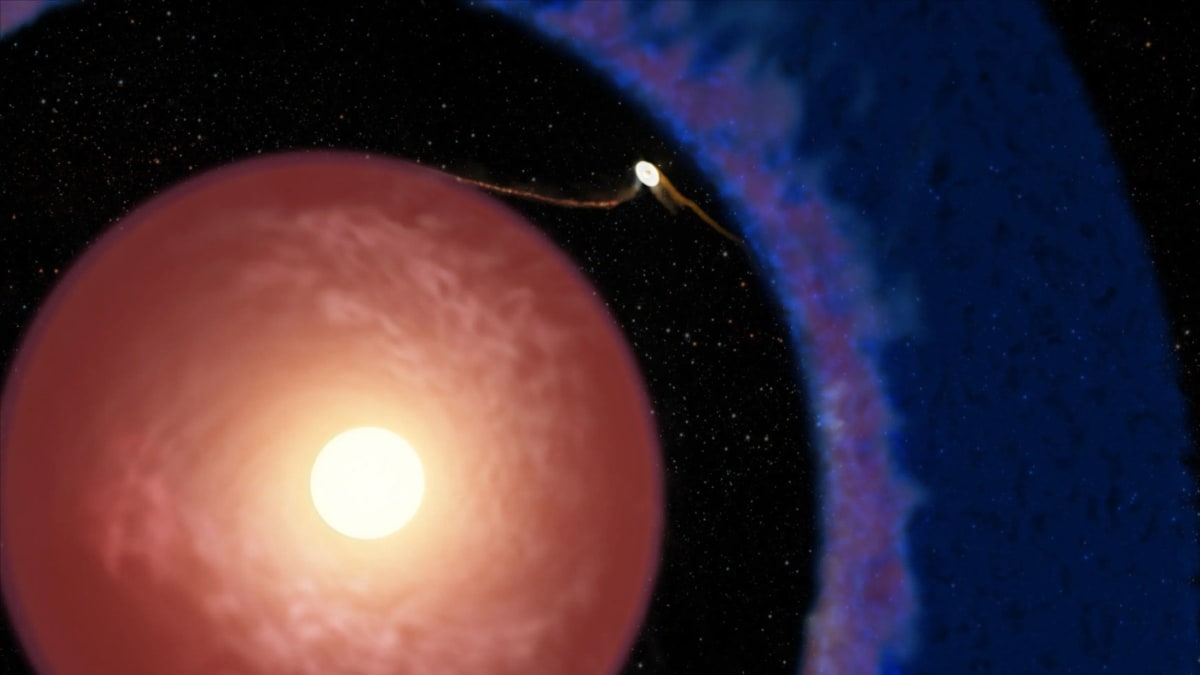
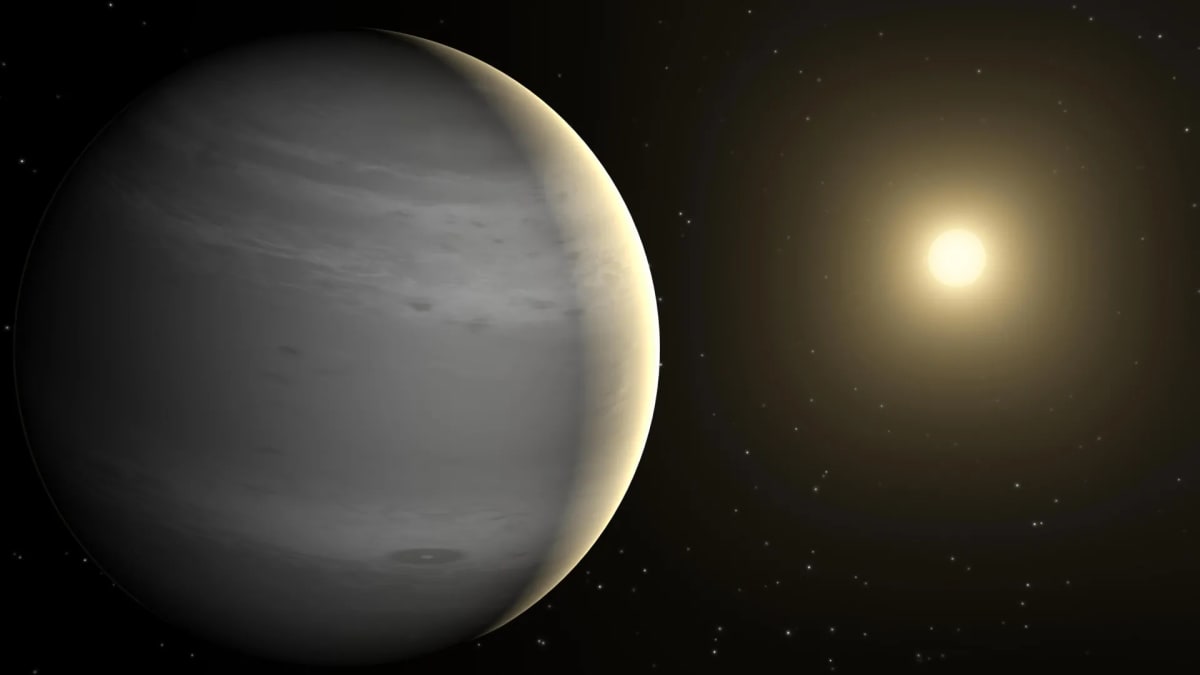
Meet TOI-199b, a Saturn-sized world with temperatures around 175 degrees Fahrenheit. That might sound scorching, but it's actually mild compared to most giant planets scientists have found beyond our solar system.
Penn State and NASA's Jet Propulsion Laboratory researchers used the James Webb Space Telescope to study this unusual world in detail. What they found could change how we understand planet formation, including Earth's own story.
Most giant planets fall into two camps: freezing cold like Jupiter and Saturn in our solar system, or blazing hot "hot Jupiters" that orbit so close to their stars they reach thousands of degrees. TOI-199b sits comfortably in between, making it one of only a handful of known temperate gas giants.
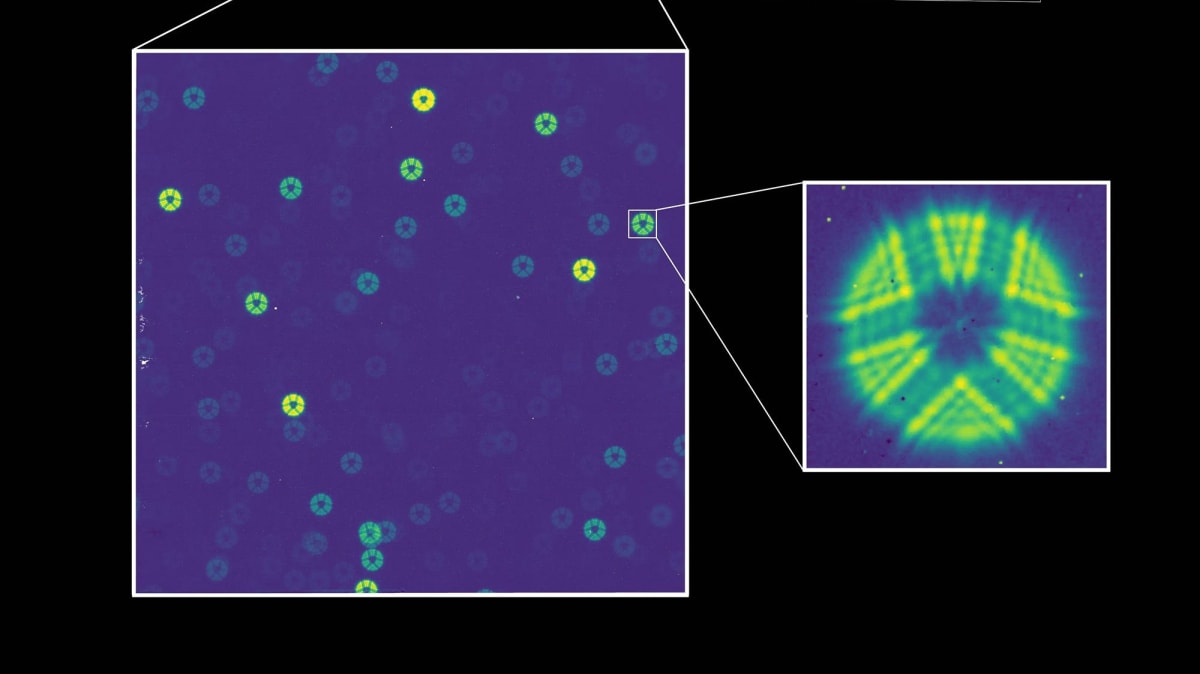
The team observed TOI-199b for 20 continuous hours, watching as it passed in front of its star during a seven-hour transit. By analyzing how starlight filtered through the planet's atmosphere, they detected methane, exactly what their models predicted.
"One of the main advantages of studies of planets beyond our solar system is the ability to study many different types of planets, especially ones that we don't see in the solar system," said Renyu Hu, associate professor at Penn State who led the research team.
The observations also hinted at ammonia and carbon dioxide in the atmosphere. With more study, scientists could map the complete chemical makeup of this temperate giant.
Why This Inspires
This discovery matters for more than just cataloging distant worlds. By studying planets with conditions we've never seen before, scientists can test and improve their theories about how all planets, including Earth, develop their atmospheres and evolve over time.
The James Webb Space Telescope continues proving it was worth the wait. Since launching in 2021, it's opened windows into corners of the universe we could only dream about studying before.
TOI-199b completes one orbit around its star roughly every 100 days. While we'll never visit this world, understanding it brings us closer to answering fundamental questions about our own planet's past and future.
The research team published their findings May 20 in the Astronomical Journal, adding another piece to the cosmic puzzle that's been growing since astronomers discovered the first exoplanet back in 1992.
This temperate giant reminds us that the universe still holds countless surprises waiting to be discovered.
Based on reporting by Science Daily
This story was written by BrightWire based on verified news reports.
Spread the positivity!
Share this good news with someone who needs it