Webb Telescope Reveals How Black Holes Recycle Their Fuel
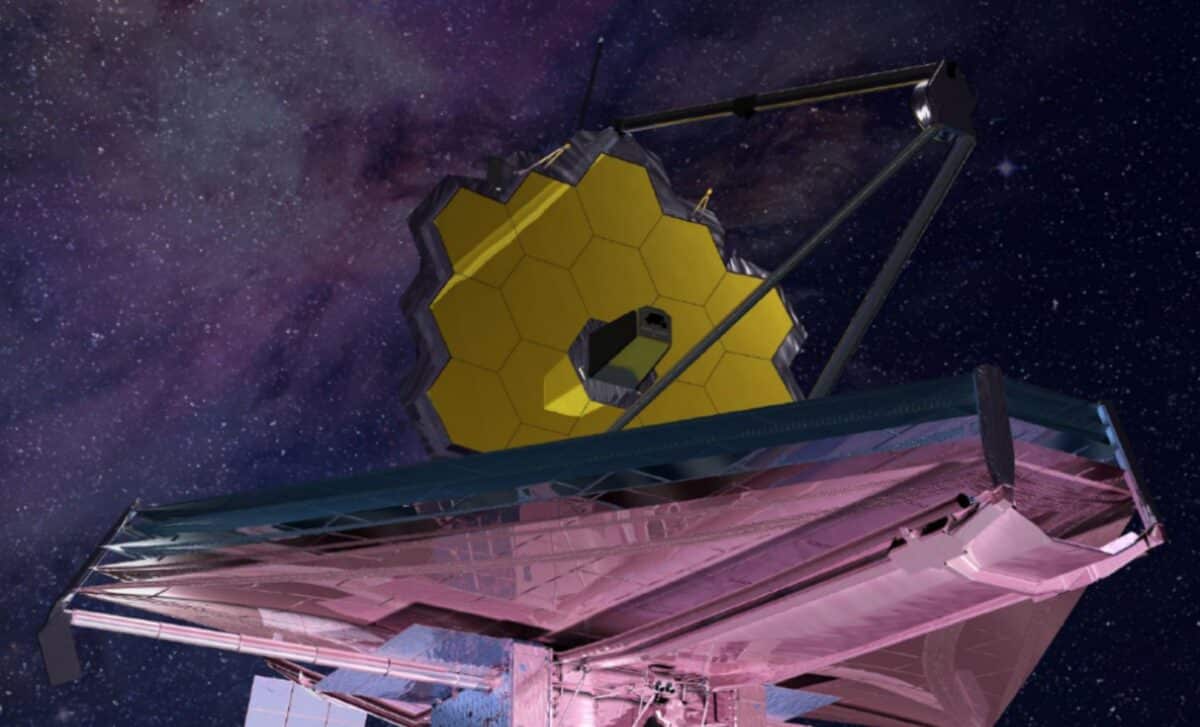
The James Webb Space Telescope just solved a cosmic puzzle that's stumped astronomers for decades. Scientists can now see exactly how supermassive black holes keep feeding themselves by recycling the very gas they blast away.
For years, astronomers faced a puzzling contradiction about supermassive black holes. These cosmic giants heat and blast away the gas around them, yet somehow they keep feeding for millions of years without running out of fuel.
The James Webb Space Telescope just revealed the answer. Scientists watched as gas expelled by a black hole cooled into thin filaments, fell back toward the center, and began feeding the black hole all over again.
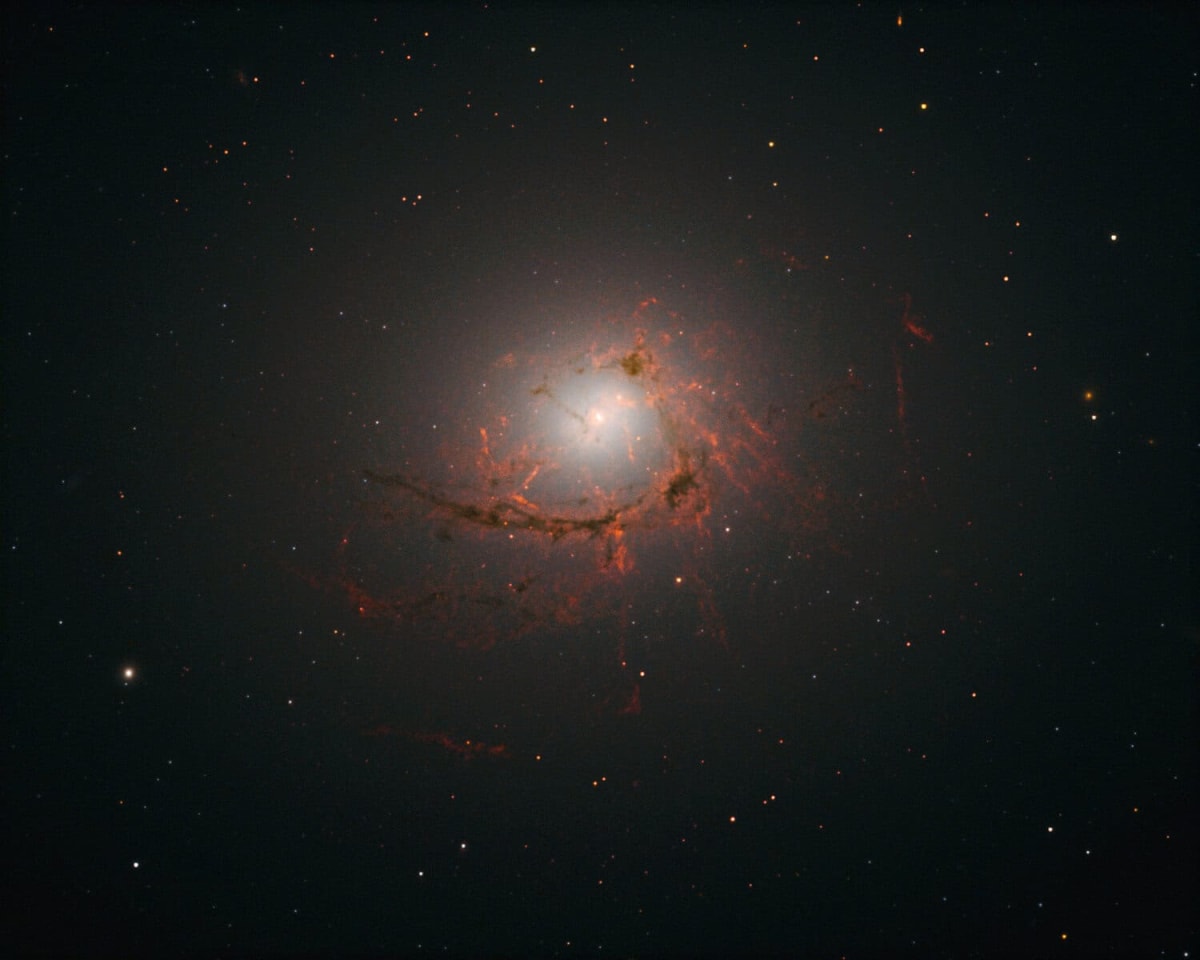
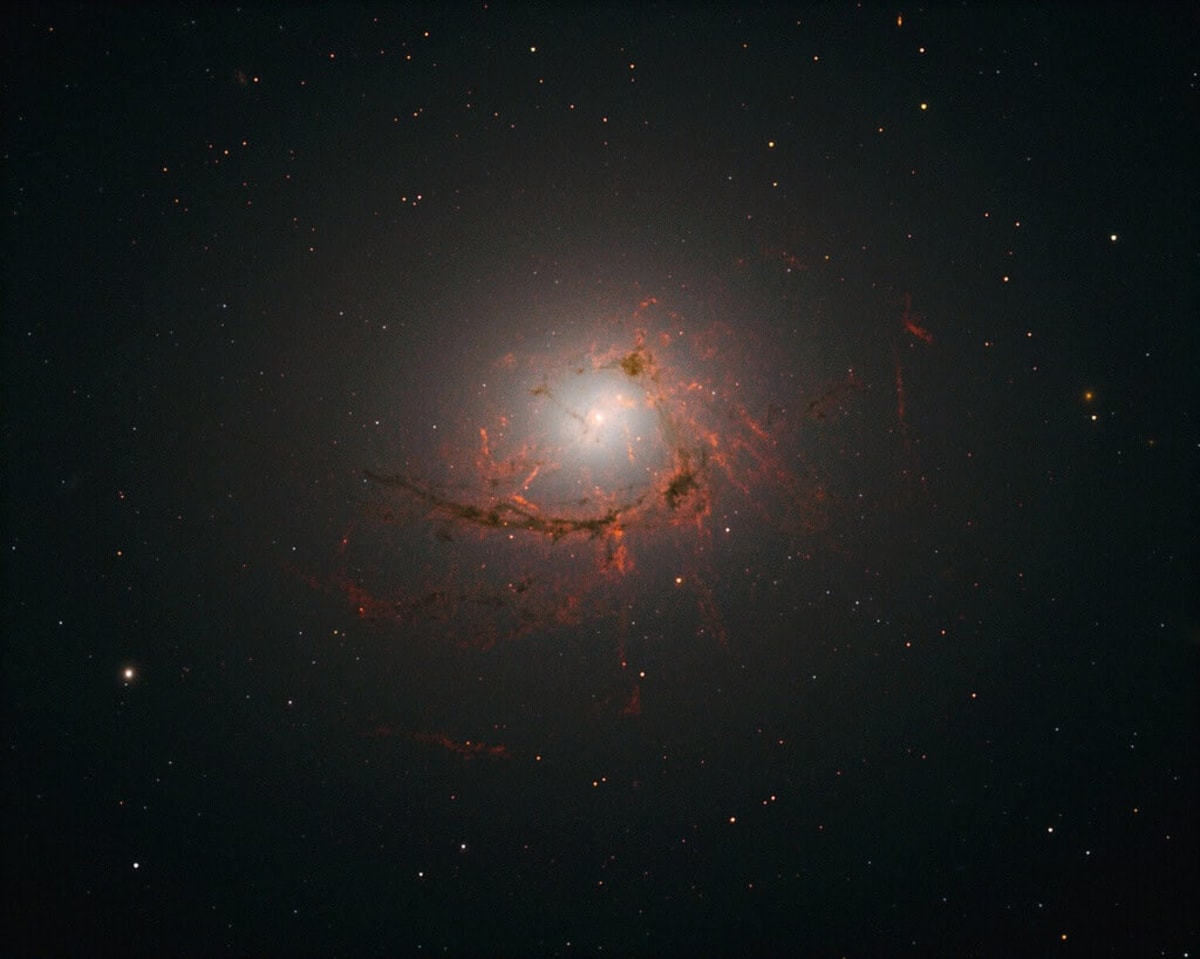
The discovery happened 145 million light years away in galaxy NGC 4696. Webb's instruments watched the galaxy's center for nearly eight hours, creating the most detailed maps ever made of gas moving near a supermassive black hole.
What the telescope saw was remarkable. A filament of gas stretching at least 1,100 light years connected directly to a rotating disk surrounding the black hole. The gas velocities matched perfectly where they met, proving the filament was delivering fresh fuel.
"What JWST is revealing is that black holes may be the ultimate cosmic recyclers," said Julie Hlavacek-Larrondo, an astrophysicist at the Université de Montréal who led the study. The black holes release enormous energy that heats their surroundings, yet that same gas later cools and falls back inward.
Previous telescopes like Hubble had spotted mysterious swirls near the galaxy's center. But scientists couldn't tell whether the gas was falling in, blowing out, or just rotating in place.
Webb's advanced instruments changed everything. The telescope split light into thousands of tiny measurements, revealing structures just 33 light years across. That's precise enough to trace gas right where the black hole's gravity takes over.
The Ripple Effect
This recycling process does more than just feed black holes. It helps regulate the growth of entire galaxies.
When black holes blast jets of material into space, they heat surrounding gas and slow down star formation. But when that gas cools and falls back, the cycle begins again. This delicate balance may explain why galaxies grow at the rates they do instead of forming stars too quickly or too slowly.
Helen Russell, an astrophysicist at the University of Nottingham, explained the breakthrough simply. "JWST is now showing us the final link of this closed loop. The vast filamentary network of gas flows ultimately funnels gas down to a disk that fuels the black hole."
Computer simulations of NGC 4696 predicted exactly this kind of filament feeding a central disk. The real observations matched the predictions beautifully, giving scientists confidence they've identified a universal process.
The findings appear in The Astrophysical Journal Letters. They represent a major step forward in understanding how the universe's most powerful objects shape the cosmos around them while sustaining themselves for billions of years.
Scientists can now watch the universe's most efficient recycling program in action, closing a feedback loop that connects galaxy-wide structures to the immediate neighborhood of a black hole.
More Images
Based on reporting by Google: James Webb telescope
This story was written by BrightWire based on verified news reports.
Spread the positivity!
Share this good news with someone who needs it