Webb Telescope Reveals Stunning Squid Galaxy 45M Light-Years Away
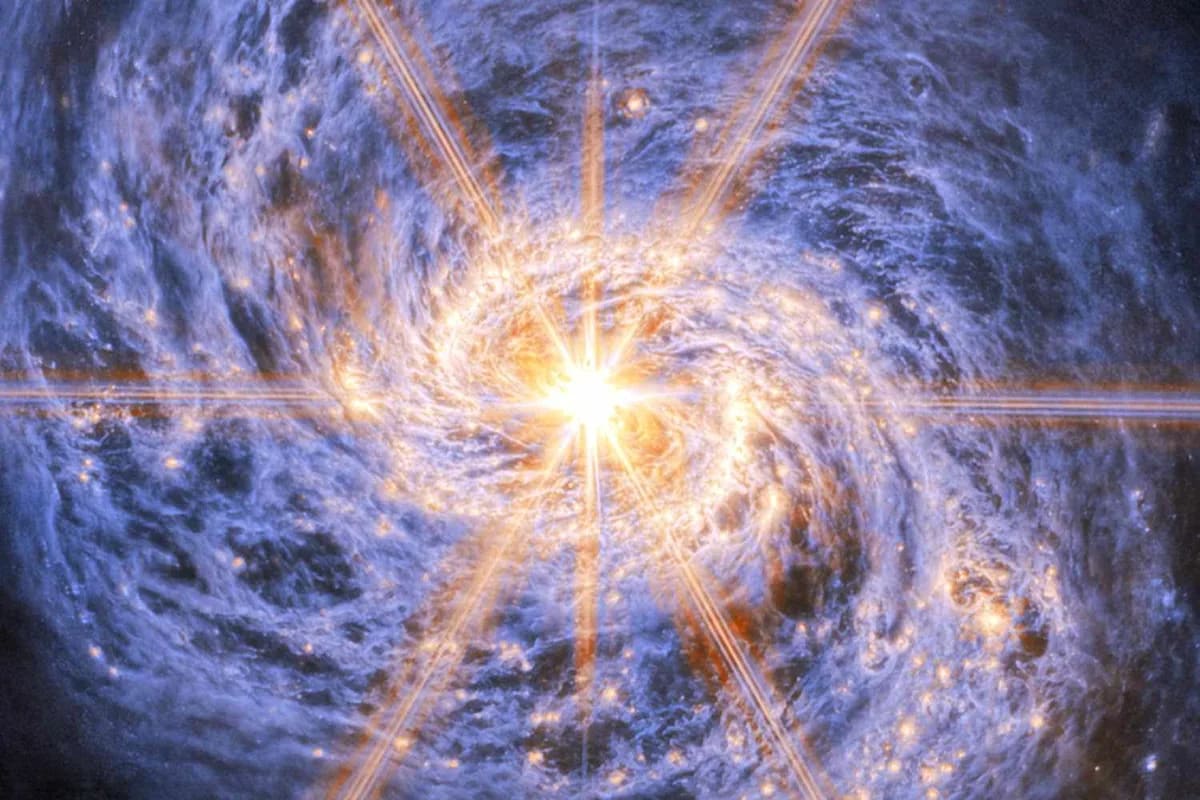
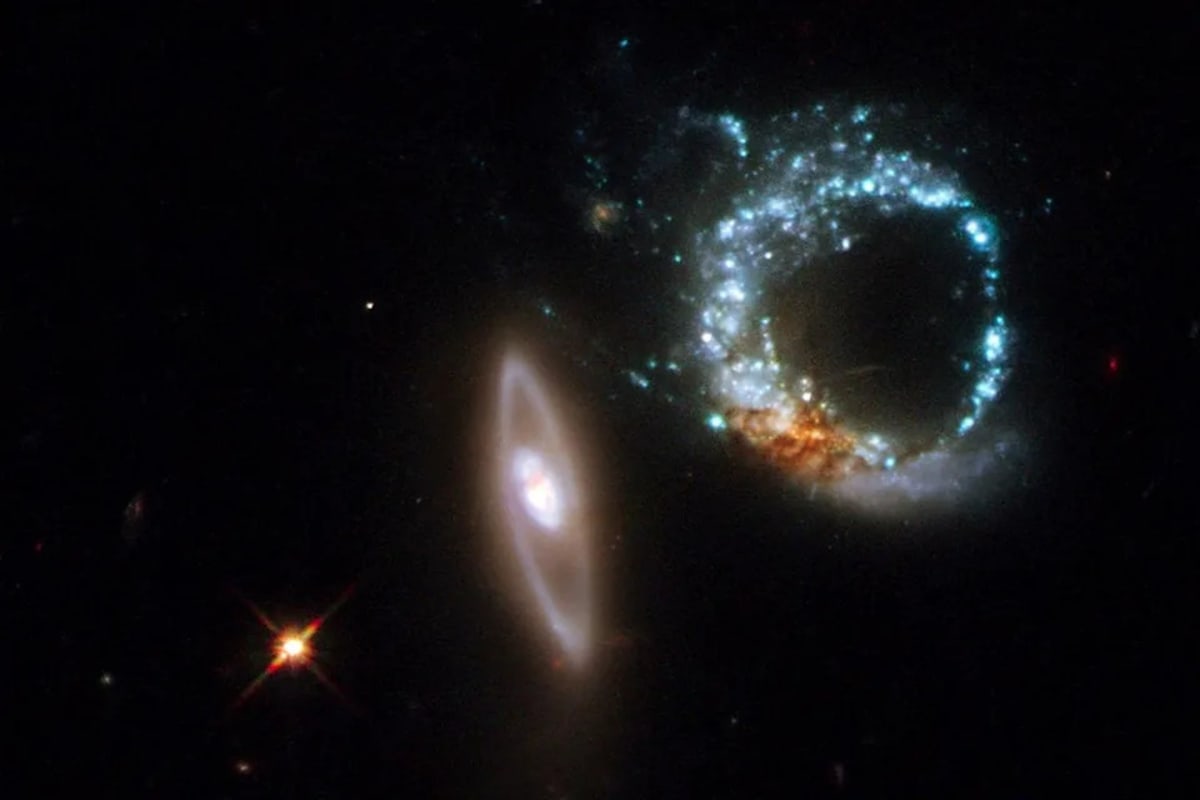
NASA's James Webb Space Telescope captured a breathtaking new image of a spiral galaxy nicknamed the "Squid Galaxy" that's helping scientists unlock the universe's biggest mysteries. The infrared photo shows Messier 77 in stunning detail, revealing curling tentacles of light and a supermassive black hole eight million times more massive than our Sun.
The universe just got a whole lot more beautiful, and we have a front-row seat.
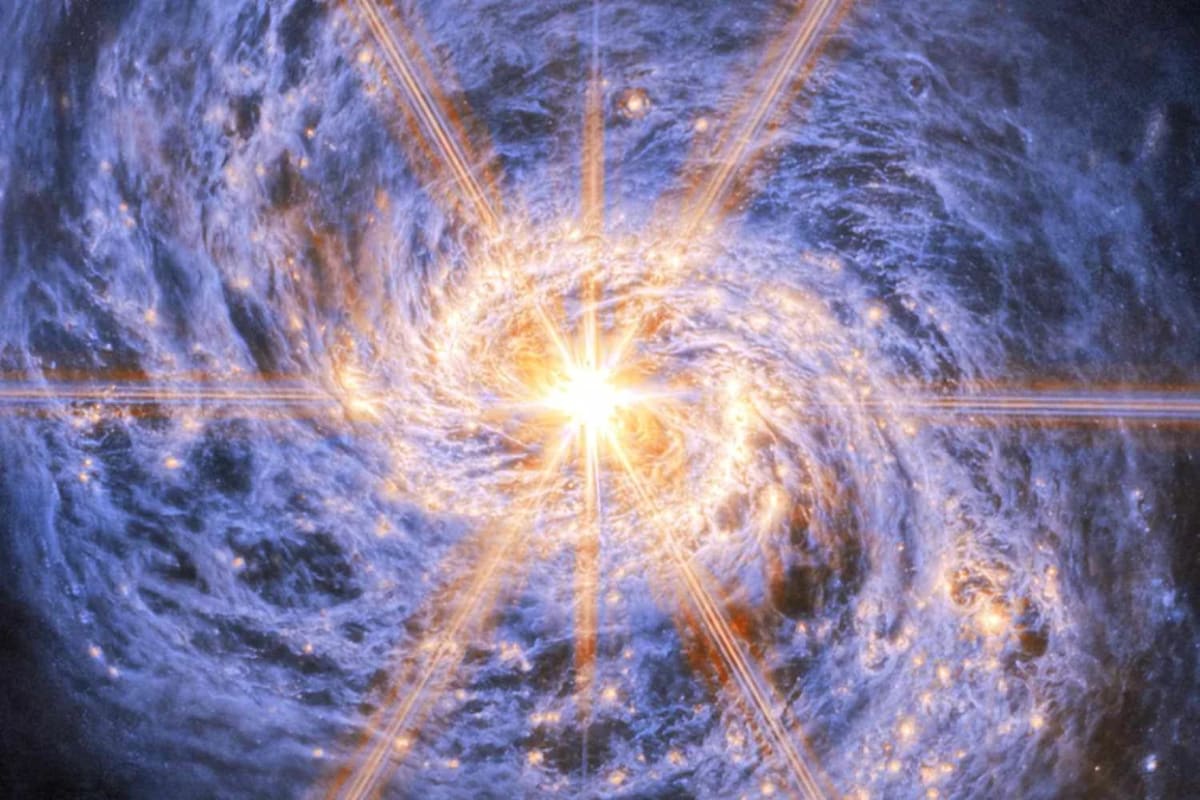
NASA's James Webb Space Telescope released its latest Picture of the Month, featuring Messier 77, a spiral galaxy floating 45 million light-years from Earth. The infrared image reveals the galaxy's swirling structure more clearly than ever before, showcasing why astronomers affectionately call it the "Squid Galaxy" for its curling, tentacle-like arms.
The galaxy sits in the Cetus constellation and stretches across distances that boggle the mind. A single light-year equals about 6 trillion miles, meaning the light we're seeing today left that galaxy when dinosaurs still roamed Earth.
At M77's center lies a supermassive black hole packing eight million times the mass of our Sun. As gas spirals around this cosmic giant, it heats up and releases enormous amounts of energy and radiation, creating a spectacular light show across space.
But the galaxy isn't sitting still. M77 is constantly forming new stars, making it a living laboratory for understanding how galaxies grow and change over time.
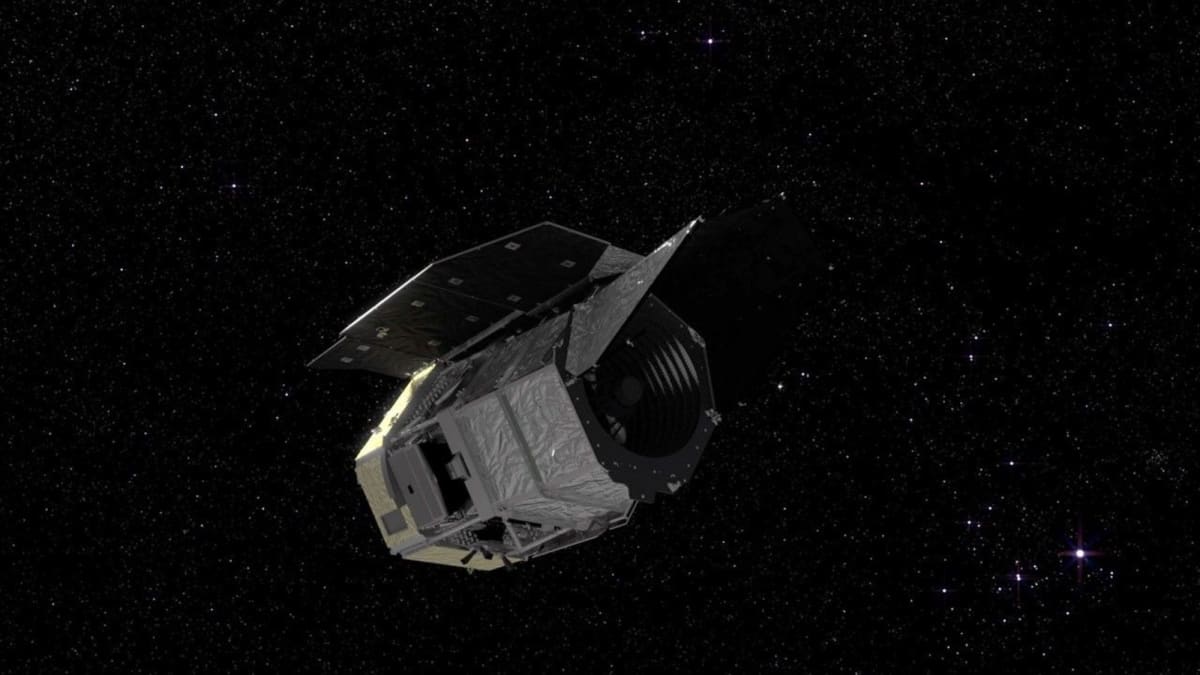
The Webb Telescope launched in December 2021 and now orbits the Sun about 1 million miles from Earth. From that vantage point, it captures details invisible to older telescopes, peering through cosmic dust using infrared technology.
Why This Inspires
Scientists around the world use Webb's images to tackle some of humanity's biggest questions. The telescope helps researchers study the Big Bang, understand how solar systems form, and search for signs of life beyond Earth.
Spiral galaxies like M77 make up about 60% of all galaxies in the universe, including our own Milky Way. They contain most of the stars we can observe, making them crucial to understanding how the cosmos works.
Every new image from Webb reminds us that we're part of something vast and beautiful, and we're just beginning to understand it.
More Images
Based on reporting by Google: James Webb telescope
This story was written by BrightWire based on verified news reports.
Spread the positivity!
Share this good news with someone who needs it