Why This Climber's Brain Shows Zero Fear During 101-Story Climb
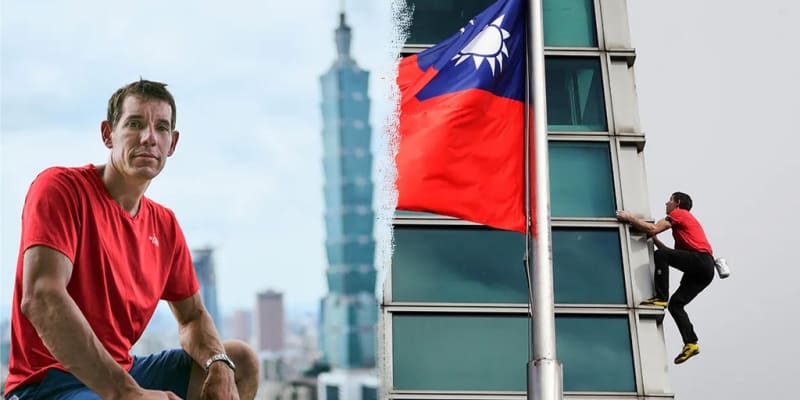
Alex Honnold climbed Taiwan's 101-story Taipei 101 skyscraper with no ropes in 91 minutes, and brain scans reveal why fear doesn't slow him down. His amygdala barely reacts to terrifying situations that would paralyze most people.
Alex Honnold just climbed 101 stories with no safety gear, and science shows his brain is wired completely differently than yours or mine.
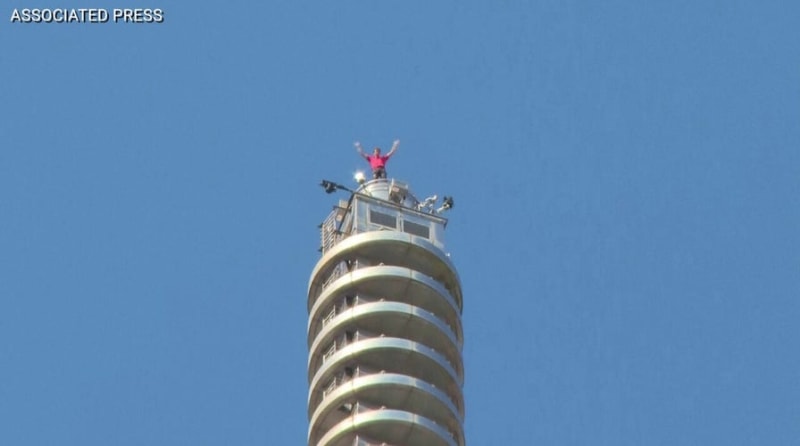
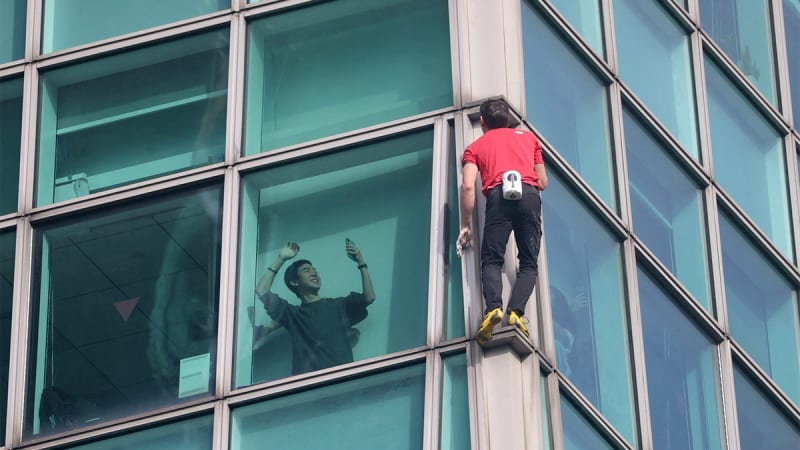
The professional rock climber scaled Taiwan's Taipei 101 skyscraper on January 25, reaching the summit in just 91 minutes. He waved his arms in victory at the top, commenting only that the view was "amazing" despite strong winds.
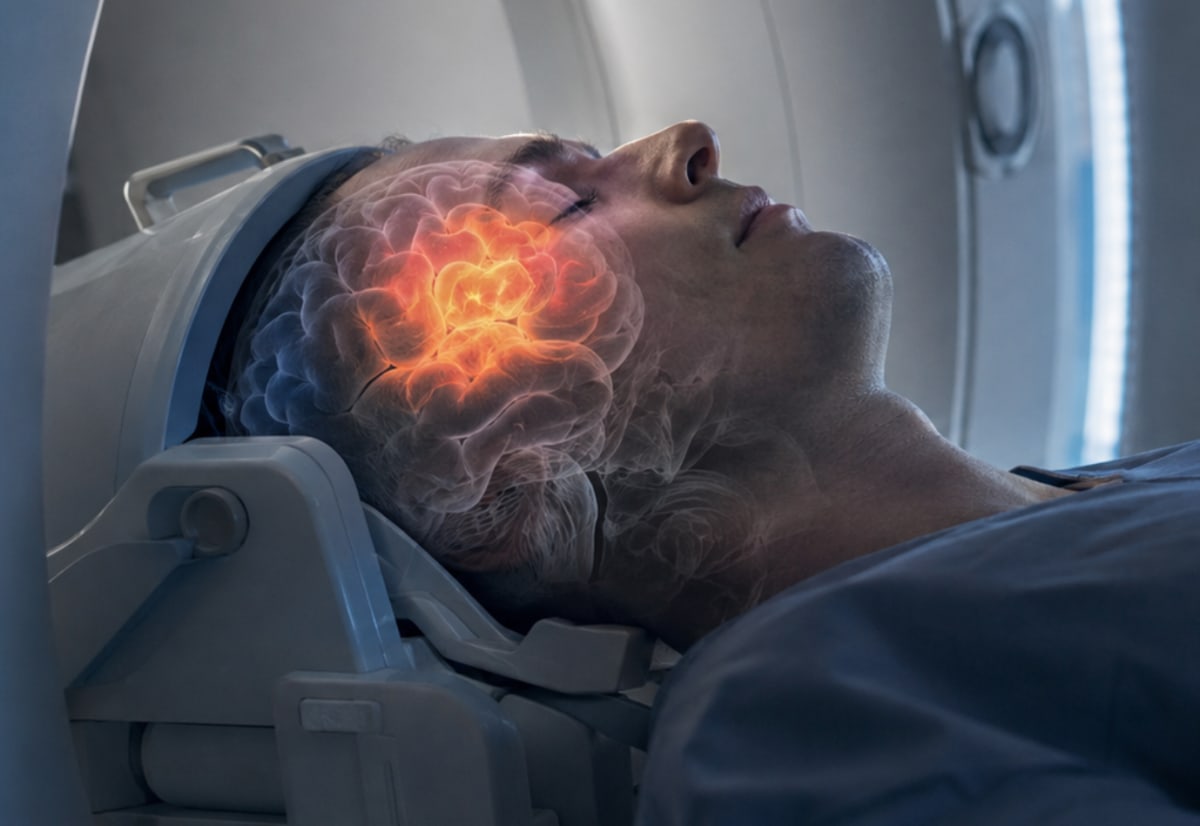
But what makes someone climb a quarter-mile into the sky with nothing to catch them? Neuroscientist Jane Joseph wanted to find out, so she scanned Honnold's brain using functional MRI imaging in 2016.
The results were stunning. When researchers showed Honnold images designed to trigger fear and stress, his amygdala (the brain's fear center) stayed almost completely silent. Most people's brains light up like a Christmas tree during these tests.
The team flipped the experiment, introducing a reward task where Honnold could win money. Again, his brain showed minimal activity except in regions processing visual input, confirming he was awake and watching. "There's just not much going on in my brain," Honnold told Joseph. "It just doesn't do anything."
Dr. Daniel Amen, founder of Amen Clinics and brain imaging expert, explains that extreme athletes often show lower baseline activity in the prefrontal cortex, which handles fear inhibition and risk evaluation. Their brains need high stimulation just to feel engaged.
The real difference isn't recklessness but exceptional control. Amen's research across nearly 300,000 brain scans shows elite extreme performers maintain "exceptional top-down control" where the prefrontal cortex stays organized under stress.
Why This Inspires
While most people's fear circuits activate fast and loud, causing panic or hesitation, Honnold's brain enters a highly regulated flow state. His vision, balance, and motor planning work seamlessly together, allowing precise focus when one wrong move could be fatal.
The average brain prioritizes safety and survival, which protects us in daily life. But for extreme athletes, high adrenaline doesn't disrupt judgment—it organizes the brain. Fear circuits activate just enough to sharpen attention without overwhelming performance.
Honnold's conquests include major mountain ranges across the U.S. and Greenland's massive sea cliffs, three times the size of the Empire State Building. His brain isn't fearless—it's better regulated under pressure, turning what would terrify most of us into another day at work.
Understanding how different brains handle stress and fear opens doors for everyone, from athletes pushing boundaries to people managing everyday anxiety.
More Images

Based on reporting by Fox News Health
This story was written by BrightWire based on verified news reports.
Spread the positivity!
Share this good news with someone who needs it