Wind Farms Double as Seaweed Gardens in Danish Waters
Offshore wind farms in Denmark are proving perfect for growing seaweed at scale, turning ocean energy sites into dual-purpose food producers. After a decade of research, scientists say the technology works and now they just need companies ready to use it.
The future of sustainable food might be growing between wind turbines in the North Sea.
Danish researchers at Aarhus University have spent more than ten years figuring out how to farm seaweed in offshore wind farms. Their conclusion? The technology is ready to go. Sugar kelp grows beautifully in these ocean sites, producing high yields and quality that exceeds expectations.
Senior researcher Annette Bruhn says the breakthrough solves a major problem. Denmark is building more offshore wind farms through 2030, and instead of choosing between energy and food production, we can now do both in the same space.
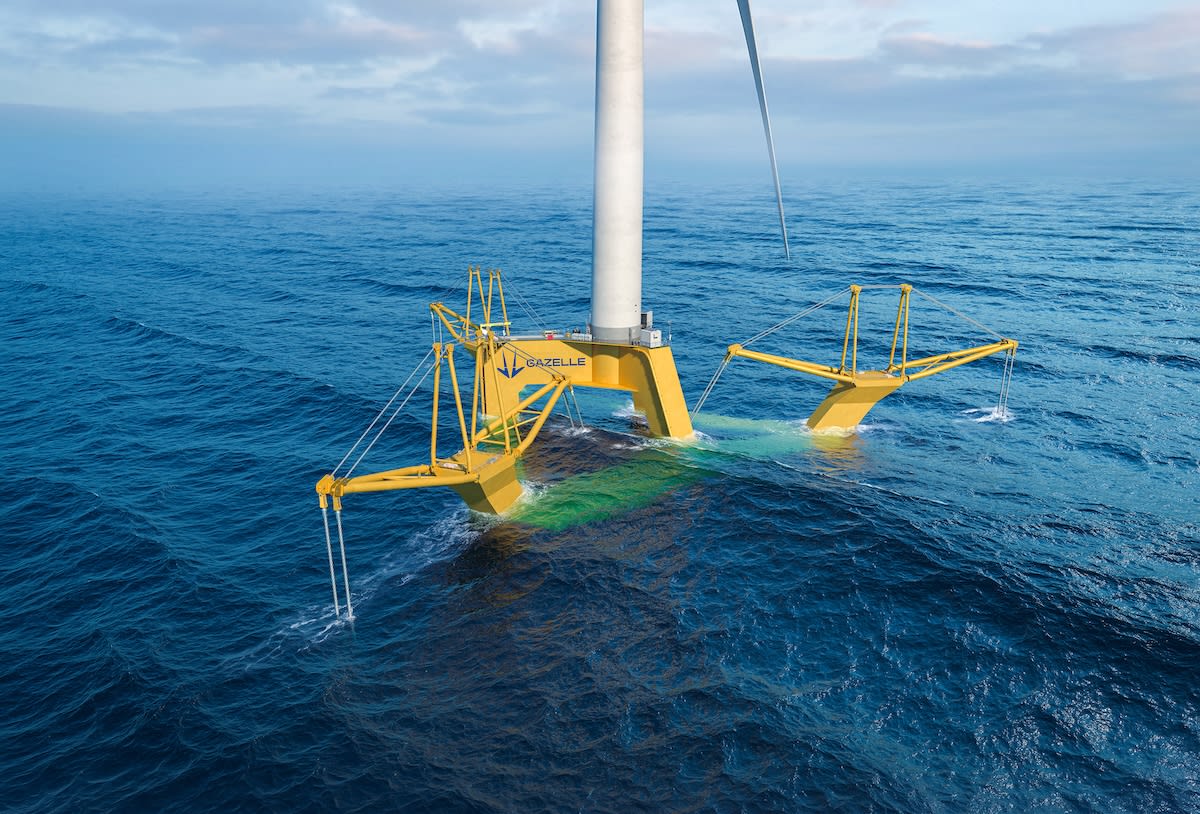
The setup is simple but smart. Seaweed cultivation systems get installed between the wind turbines. They share the same infrastructure, service boats, and operational costs. No new ocean space gets taken up, and expenses stay lower than building separate farms.
The North Sea turns out to be an ideal growing environment. Strong water flow, stable conditions, and natural nutrients help the kelp thrive. The seaweed also pulls nitrogen and phosphorus from the water as it grows, cleaning coastal areas while producing biomass.
What makes seaweed special is what it doesn't need. Unlike regular crops, it requires no farmland, no freshwater, no fertilizers. It just uses sunlight and nutrients already in the ocean.
Once harvested, the kelp can become food ingredients like stabilizers and gelling agents, or materials for animal feed and bio-products. The potential production volume is substantial even using just small portions of space between turbines.
The Ripple Effect
This ocean farming model could reshape how we think about marine resources. Denmark's approach shows that careful planning lets us multiply the value of ocean infrastructure without environmental trade-offs.
The technology proves that sustainable food systems don't always need more land. Sometimes they need smarter use of spaces we're already occupying. Wind farms across Europe could adopt similar dual-purpose designs.
By integrating food production into renewable energy sites, coastal nations gain two solutions from one investment. The same vessels servicing turbines can tend seaweed crops. The same permits covering wind generation can include biomass farming.
But Bruhn emphasizes the real challenge isn't growing seaweed anymore. It's building market demand. Food manufacturers, meal-kit companies, schools, and restaurants need to start incorporating seaweed into everyday products and menus.
She compares it to legumes ten years ago, before they became mainstream in cafeterias and home cooking. Seaweed needs that same cultural shift, from specialty ingredient to normal pantry staple.
The researchers continue refining systems and testing applications, but their message is clear: production capability is ready and waiting for commercial partners willing to scale up.
Denmark's wind farms might soon prove that the best use of ocean space is doing two good things at once.
More Images



Based on reporting by Google News - Wind Energy
This story was written by BrightWire based on verified news reports.
Spread the positivity!
Share this good news with someone who needs it