Wind-Powered Mars Rover Aces Chile Desert Tests
Scientists tested a revolutionary Mars exploration device that needs no wheels or fuel, just wind. The tumbleweed-shaped rover exceeded expectations in one of Earth's harshest deserts.
Imagine exploring Mars without using a single drop of fuel or any wheels at all.
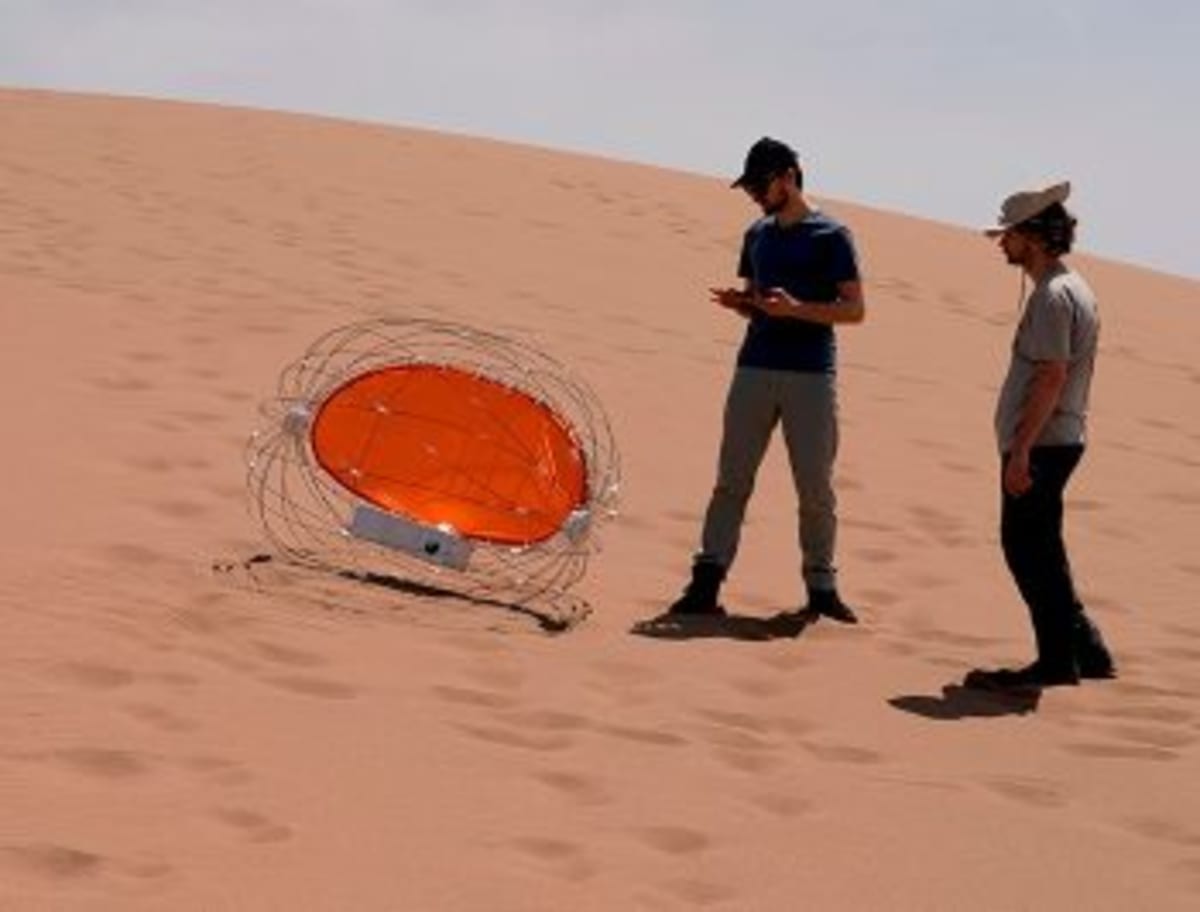
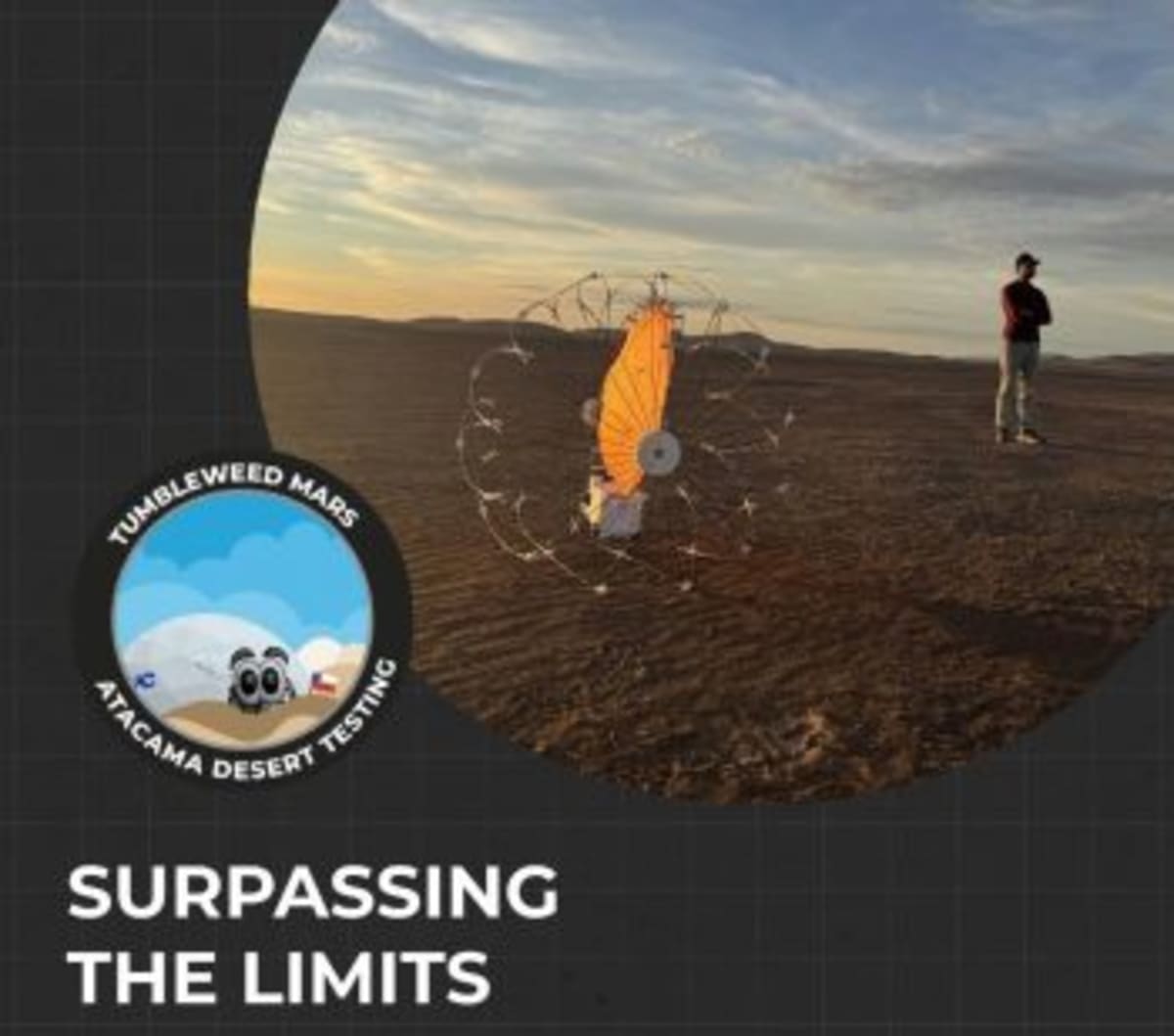
That's exactly what an international team of scientists just proved possible in Chile's Atacama Desert. Their revolutionary rover, shaped like a tumbleweed and powered purely by wind, just completed successful testing in conditions that mirror the Red Planet.
The Tumbleweed Mars project spent ten days rolling through what scientists call the "absolute desert," the driest part of the Atacama. The lightweight device, weighing just 8 pounds, reached speeds of 35 miles per hour using nothing but natural wind power.
James Kingsnorth, the project's lead researcher from Delft University of Technology in the Netherlands, chose this testing site for a specific reason. The wind patterns in the Atacama match those on Mars almost perfectly, picking up in the afternoons and dying down at night.
The Ripple Effect
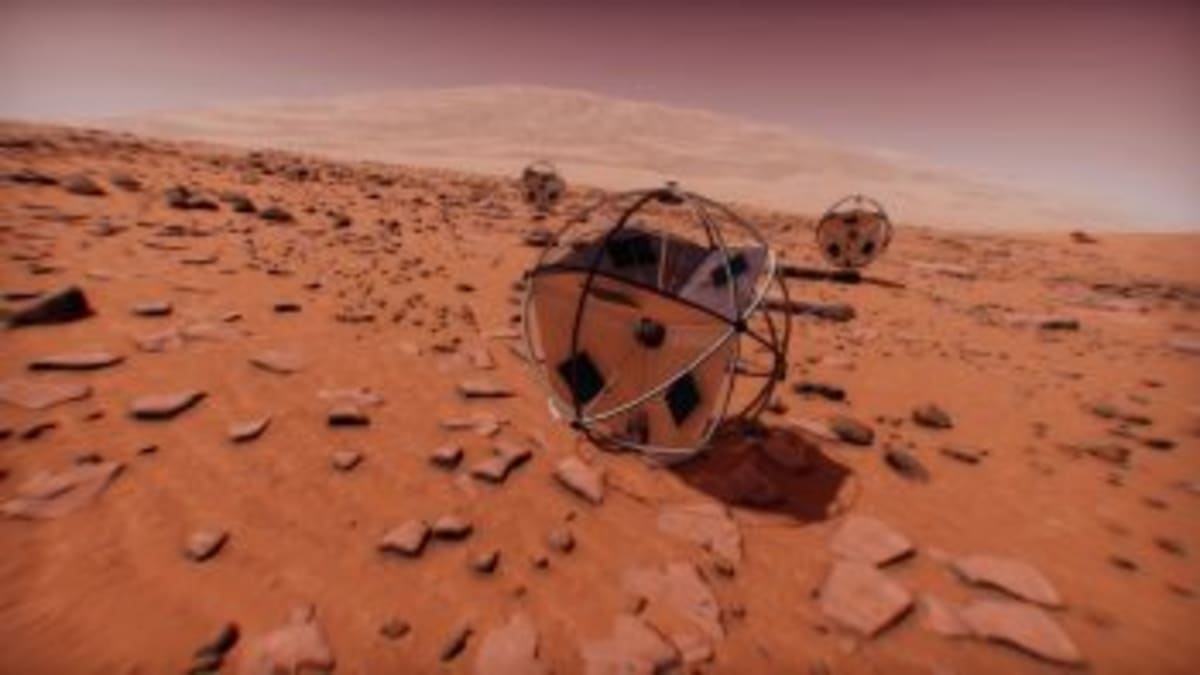
This decade-long project, supported by the European Space Agency and other institutions, could transform how we explore other planets. The team's vision is bold: drop a swarm of these tumbleweeds over Mars' north pole, let them unfold like their own parachutes, and watch them roll toward the equator gathering data.
Each rover carries a sophisticated "brain box" packed with cameras, microphones, GPS, and sensors that measure everything from temperature to radiation. The carbon fiber frame flexes and adapts to different surfaces, from sand to rocks to clay.
The testing campaign delivered results that exceeded the team's wildest hopes. The rover handled uphill climbs better than expected and proved remarkably resistant to impacts. Every bump and roll provided valuable information that will shape the next generation of tumbleweed explorers.
Traditional Mars rovers like Curiosity and Perseverance are engineering marvels, but they're also incredibly expensive and move slowly across the Martian surface. These wind-powered tumbleweeds could cover vast distances quickly and cheaply, gathering data from regions we've never been able to explore.
The team reported that every structural limit they tested in Chile's extreme environment brings them one step closer to actually launching these rovers toward Mars. What started as an ambitious idea a decade ago is now a proven concept ready for the next phase of development.
The road from the Atacama Desert to the Red Planet just got a whole lot shorter.
More Images


Based on reporting by Google News - Wind Energy
This story was written by BrightWire based on verified news reports.
Spread the positivity!
Share this good news with someone who needs it