World's First Air-Breathing Satellite to Launch by 2027
A Spanish company is preparing to test a satellite that breathes air to stay in orbit, eliminating the need for traditional fuel. This breakthrough could open up a whole new region of space for clearer Earth images and better communications.
Satellites might soon fly through space the same way jets fly through our skies—by using the air around them.
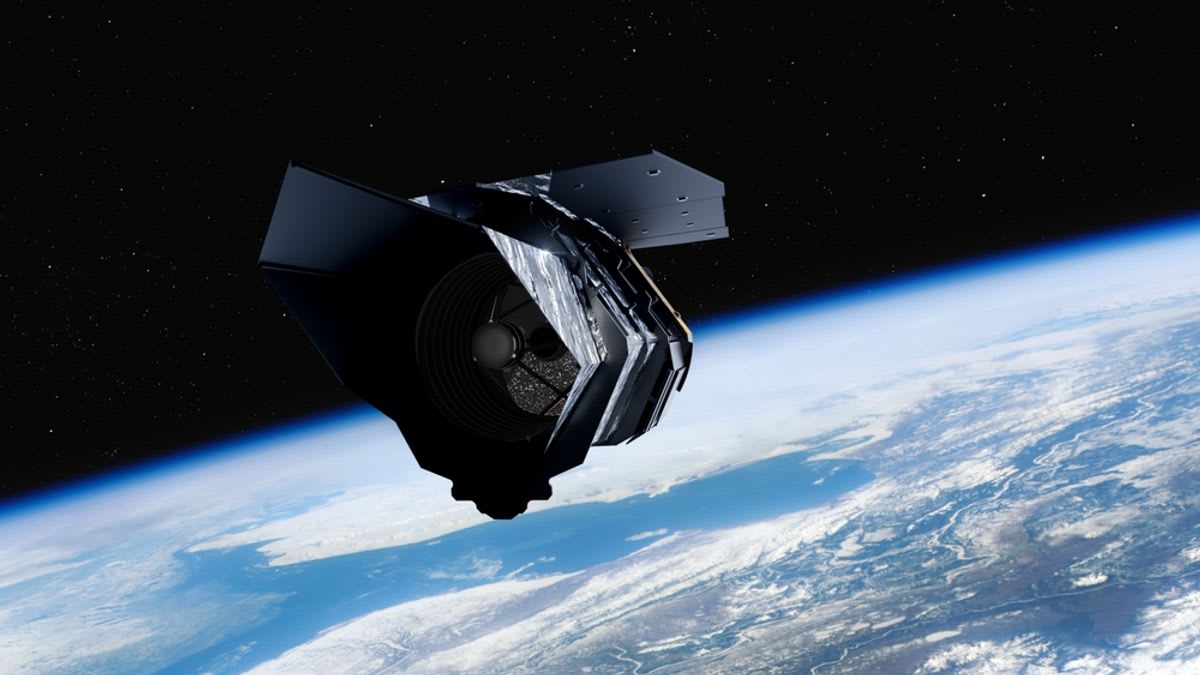
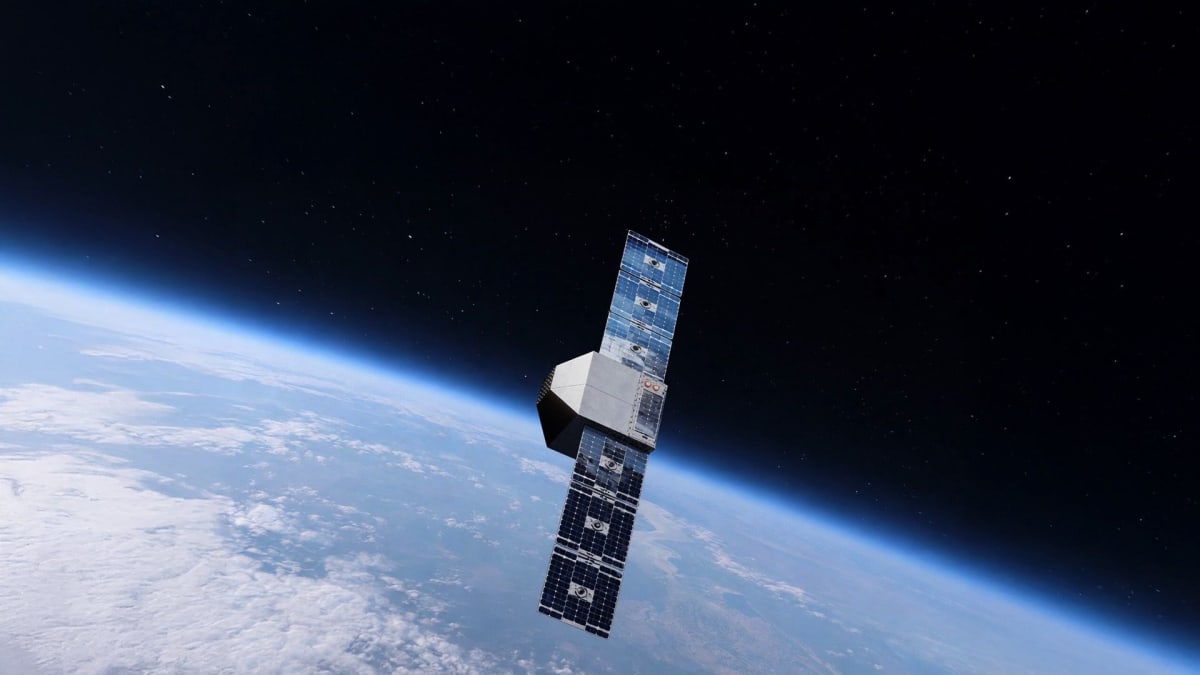
Spanish company Kreios Space announced plans to launch the world's first air-breathing satellite, with testing targeted for 2027. The revolutionary technology scoops up thin atmospheric air, heats it, and shoots it out to generate thrust.
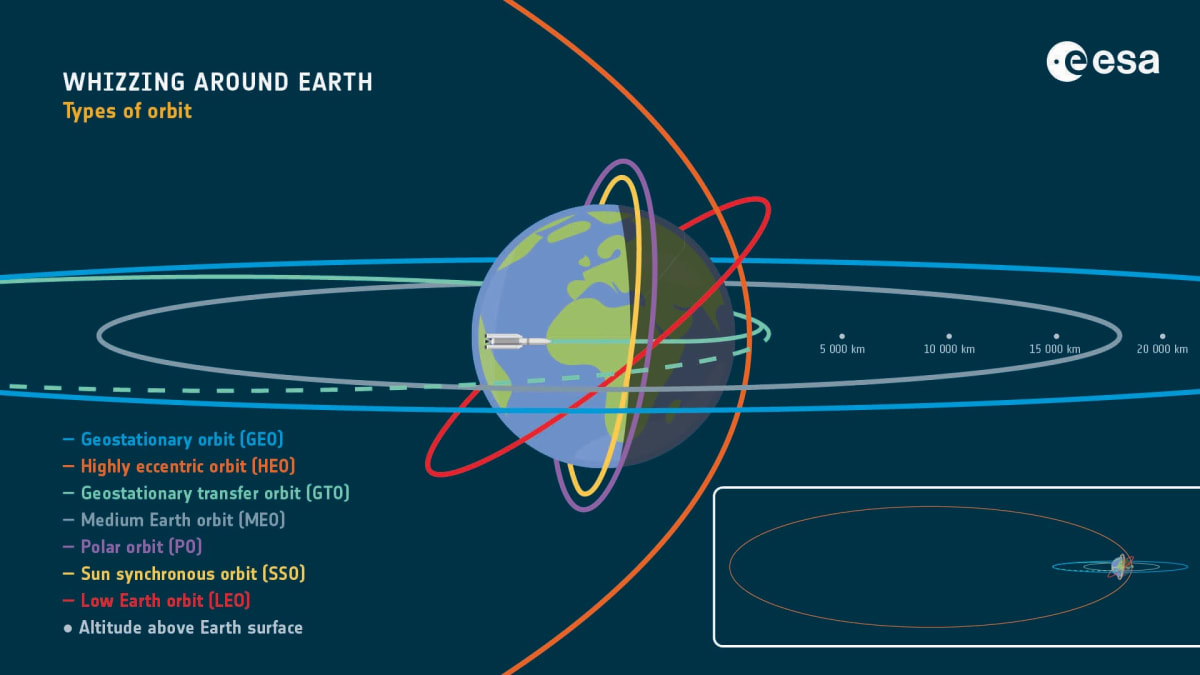
The system, called air-breathing electric propulsion (ABEP), solves a major problem for satellites operating in very low Earth orbit. This zone sits just 60 to 250 miles above our planet, much closer than typical satellites.
At that altitude, there's still enough atmosphere to create drag on spacecraft. Traditional satellites would need constant fuel to fight that drag, burning through their supply quickly and limiting mission length.
"Kreios is building the satellites that make sustained operations in very low Earth orbit possible," CEO Adrián Senar said. The technology lets satellites fly lower, stay longer, and work more efficiently than ever before.
Lithuanian partner Kongsberg NanoAvionics is building the satellite bus that will carry the ABEP system into orbit for its first real-world test. Their engineering team customized the design to handle one of the most demanding environments in space.
The Ripple Effect
Flying closer to Earth brings major advantages. Satellites can capture sharper, higher-resolution images for everything from weather tracking to environmental monitoring. Communications improve dramatically with the shorter distance.
Perhaps most importantly, very low Earth orbit is practically empty. While thousands of satellites now crowd traditional low Earth orbit—mostly SpaceX's Starlink network—this lower zone offers wide-open space.
That means less congestion, fewer collision risks, and more room for innovation. Companies won't need to fight for orbital slots or worry about adding to the growing space debris problem.
The technology also points toward more sustainable space operations. Without hauling heavy fuel loads, satellites can be lighter and cheaper to launch. They can potentially operate longer missions by breathing the endless air around them instead of rationing finite fuel supplies.
If the 2027 test succeeds, we could see a new generation of Earth-skimming satellites transforming how we observe our planet and communicate across it.
More Images

Based on reporting by Space.com
This story was written by BrightWire based on verified news reports.
Spread the positivity!
Share this good news with someone who needs it