
Liberia Counties Take Charge as HIV Funding Drops
Liberian counties are stepping up to fight HIV with their own resources as international funding declines. Officials are committing local funds and grassroots action to protect years of progress.
Find uplifting stories about heroes, innovations, and solutions
10820 results for "** hiv funding"
Liberian counties are stepping up to fight HIV with their own resources as international funding declines. Officials are committing local funds and grassroots action to protect years of progress.
%2Ffile%2Fdailymaverick%2Fwp-content%2Fuploads%2F2025%2F02%2F0000154721.jpg)
The United States signed a $5.88 billion spending package to support global HIV programs, one year after devastating funding cuts threatened health services worldwide. While South Africa won't receive direct funding, the country will benefit through strengthened international health organizations.
As international donor support declines, Nigerian health advocates are winning critical commitments from state lawmakers to fund HIV and TB programs locally. The move could protect decades of progress in treating diseases that affect millions across Africa.
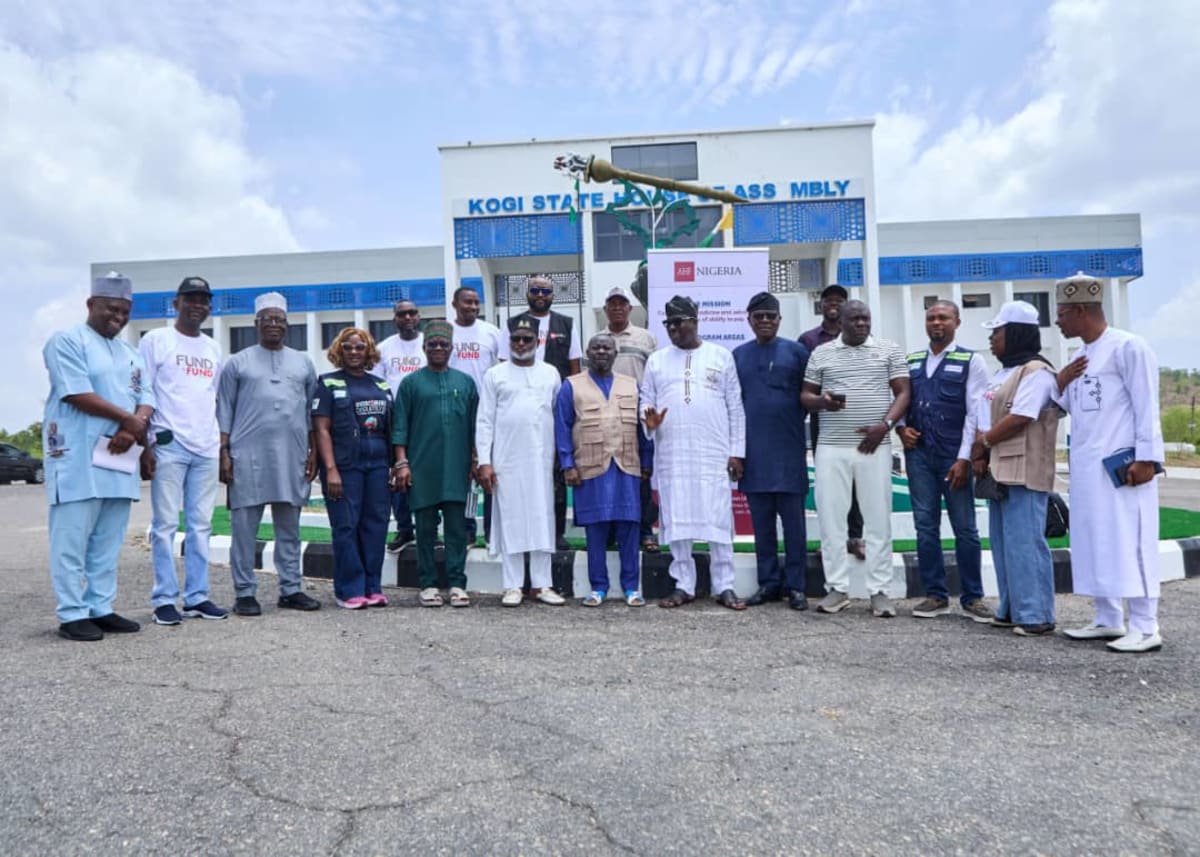
As international donors pull back, Nigerian lawmakers are pledging to increase domestic funding for HIV and tuberculosis programs that have saved thousands of lives. The move could protect decades of hard-won progress in treating these diseases.

After the US withdrew HIV/AIDS research funding, South Africa is stepping up with R410 million ($22M USD) to keep critical programs running. The move ensures thousands of patients won't lose access to life-saving research.
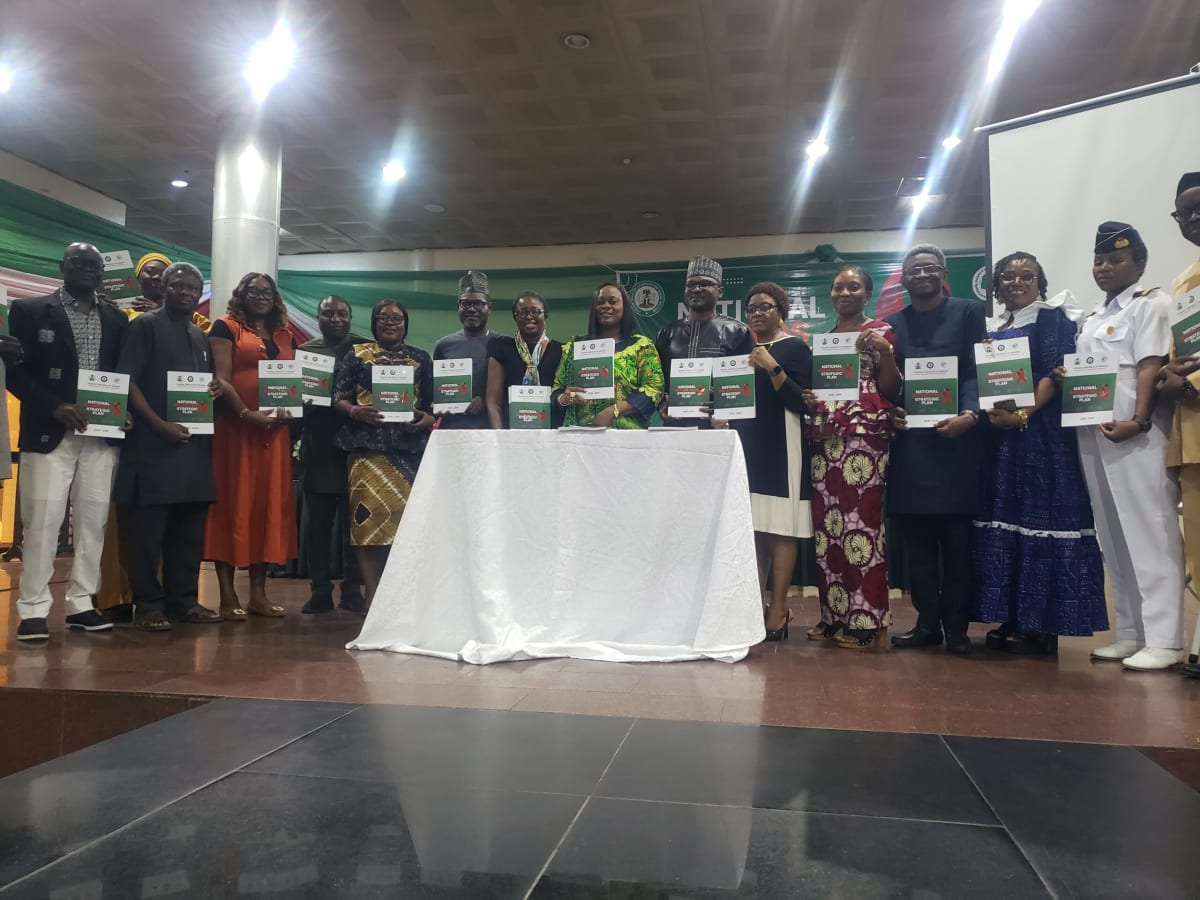
Nigeria just launched a bold new plan to fund its own HIV programs instead of relying on international donors. The five-year strategy aims to integrate HIV care into the country's regular health systems by 2030.
A groundbreaking HIV vaccine study in Cape Town is moving forward after South African researchers regrouped when US funding vanished. The trial tests a novel approach that could finally unlock the key to preventing HIV.
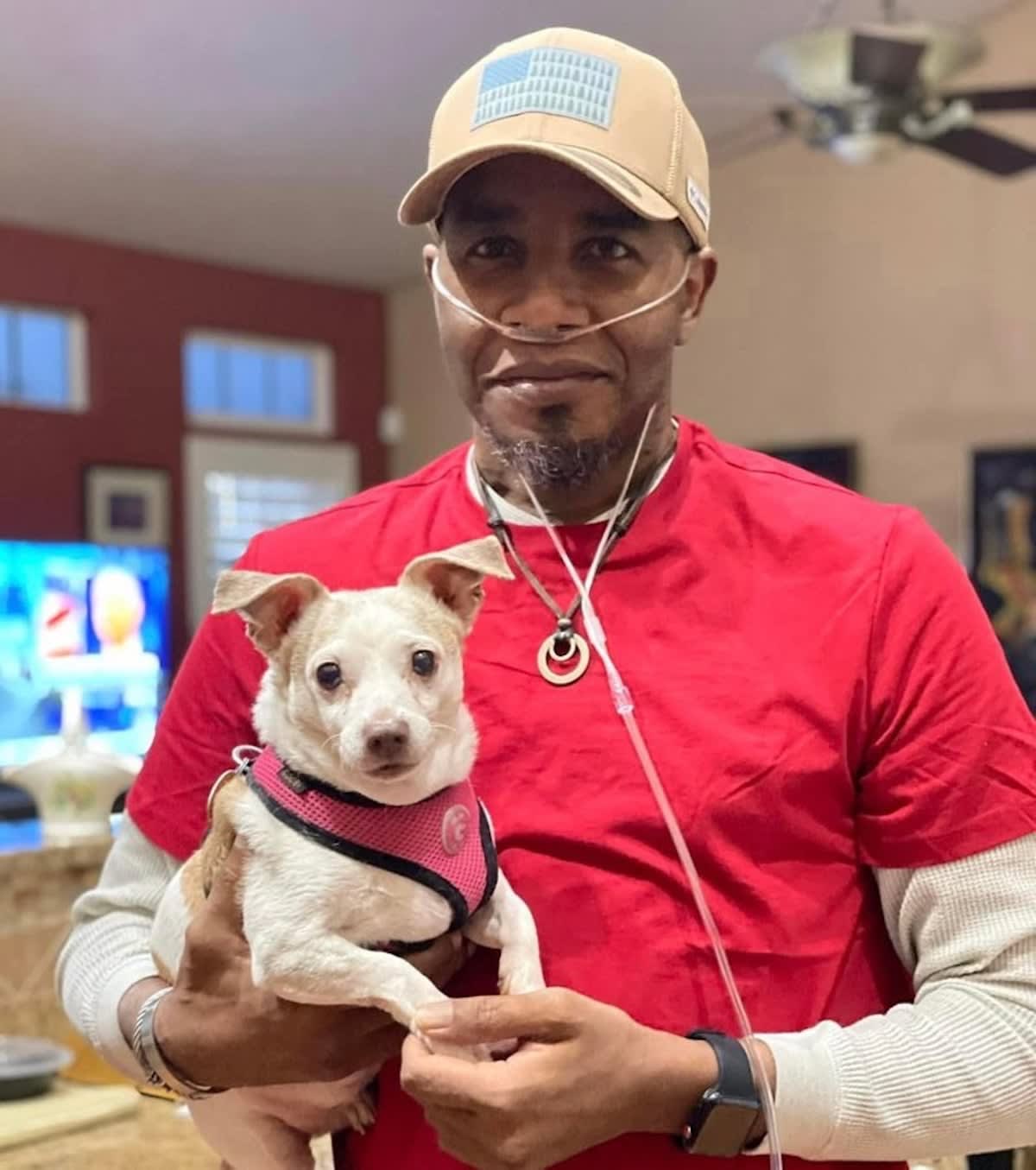
Bertrand Nelson made medical history as the first person with HIV to receive a lung transplant from an HIV-positive donor, opening new possibilities for thousands awaiting organs. His successful surgery marks a turning point in how we treat people living with HIV who face end-stage organ disease.
Nigeria just launched a bold five-year plan to fund its own HIV programs instead of relying on international donors. The shift comes as the country has cut new infections by half since 2010 while treating nearly 2 million people living with HIV.
Liberia's National AIDS Commission is touring counties to strengthen HIV response coordination, marking a shift toward local ownership as donor funding declines. Nimba County just pledged $5,000 to support community-level HIV programs.
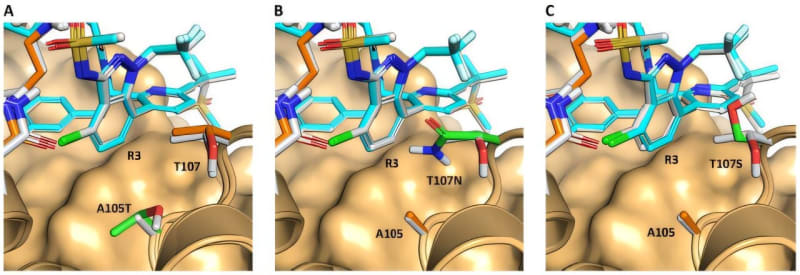
Scientists discovered that when HIV develops resistance to the groundbreaking drug lenacapavir, the virus loses its ability to spread effectively. This finding offers hope that the twice-yearly injection can remain a powerful tool in preventing and treating HIV.
When US funding cuts threatened to collapse decades of life-saving health research in South Africa, the country fought back with a $32 million rescue package. Now 59 critical HIV and tuberculosis research projects are moving forward.
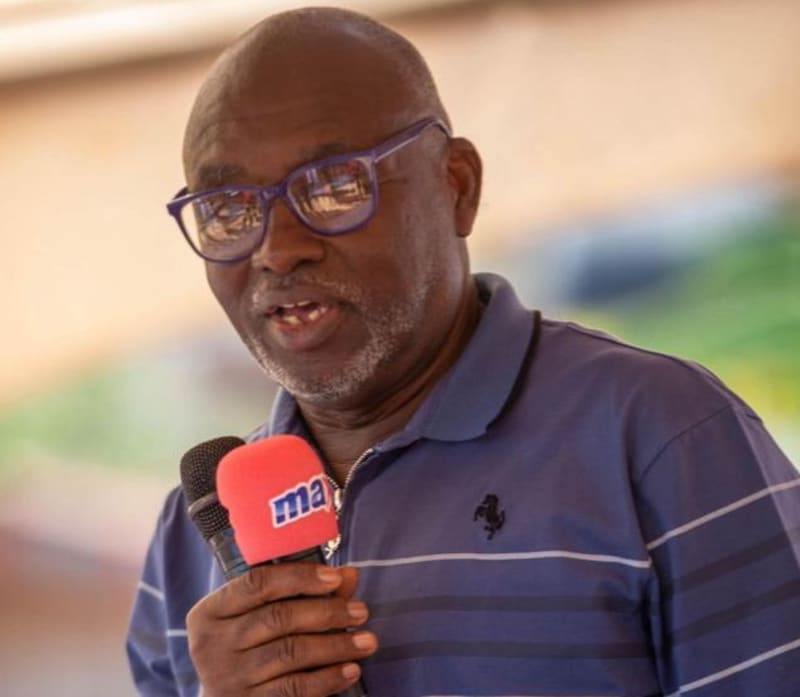
Ghana just passed a bill creating a permanent funding source for sports development, ending years of unpredictable financing that held back athletes and programs. The Ghana Olympic Committee says this game-changing fund will help national teams plan long-term and compete globally.

A new twice-yearly injection called lenacapavir prevents nearly all HIV infections and earned Science Magazine's 2024 Breakthrough of the Year. The discovery traces back to publicly funded research that started nearly 30 years ago.
%2Ffile%2Fattachments%2Forphans%2F2HIVVaccineResearch_437240.jpg)
When the US pulled funding for a groundbreaking HIV vaccine trial in Cape Town, South African scientists refused to quit. They found new backers and launched a scaled-down version that could reinvigorate global vaccine research.
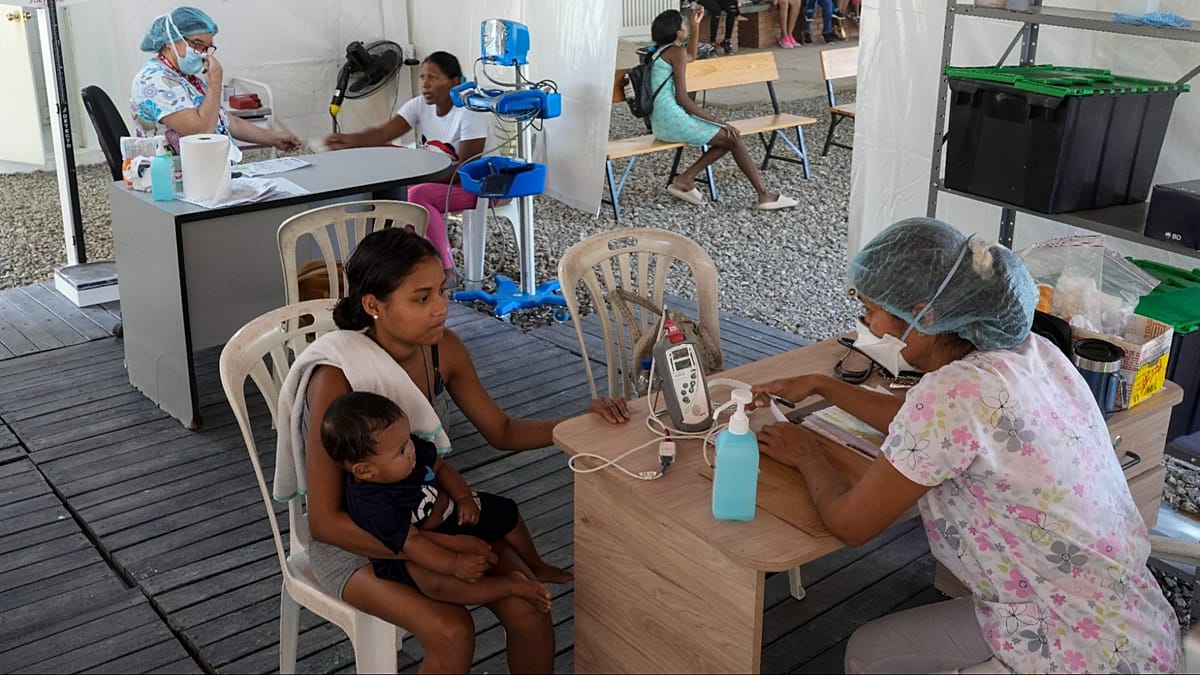
Europe commits over €3 billion to the Global Fund, staying at the forefront of efforts to eliminate three of the world's deadliest diseases. The investment will save millions of lives in countries hit hardest by malaria, tuberculosis, and HIV. #
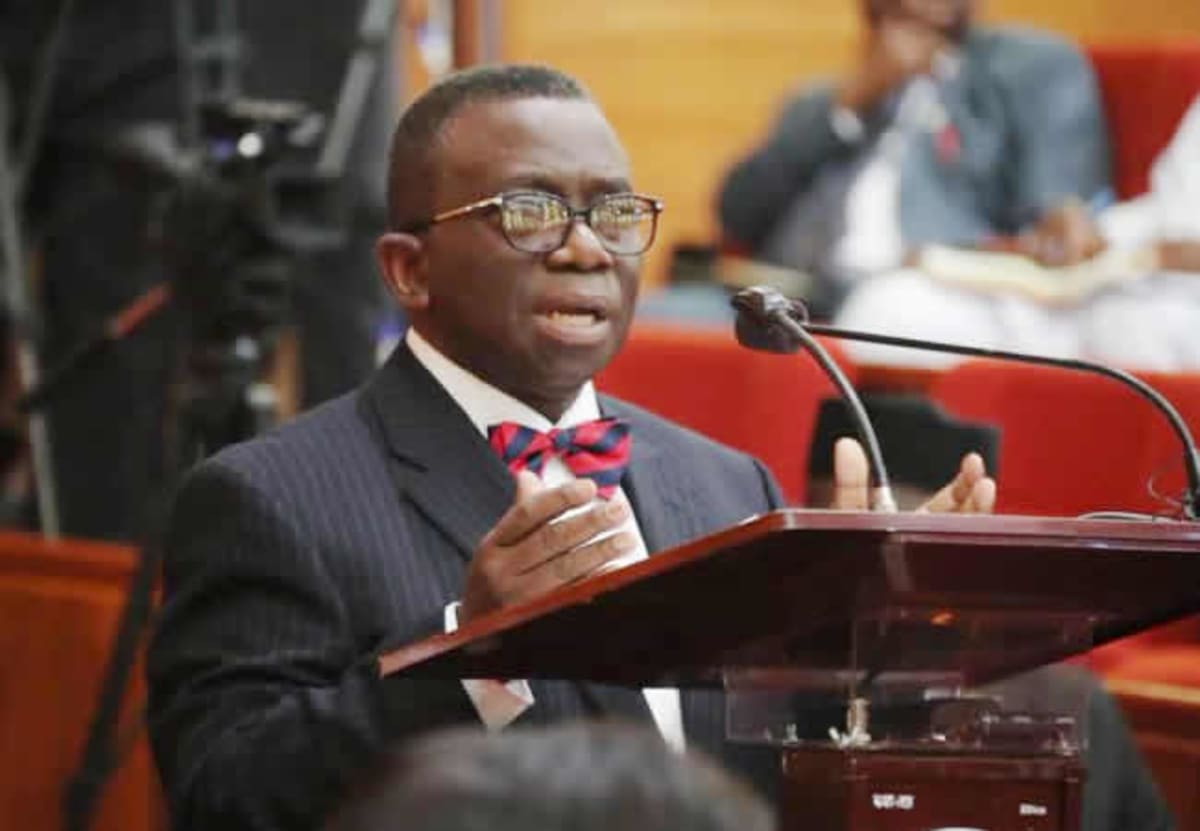
Nigeria has transformed its HIV response into one of modern medicine's biggest public health wins, with one organization now treating nearly 20% of all cases nationwide. But experts warn the country must boost local funding to protect these life-saving gains.
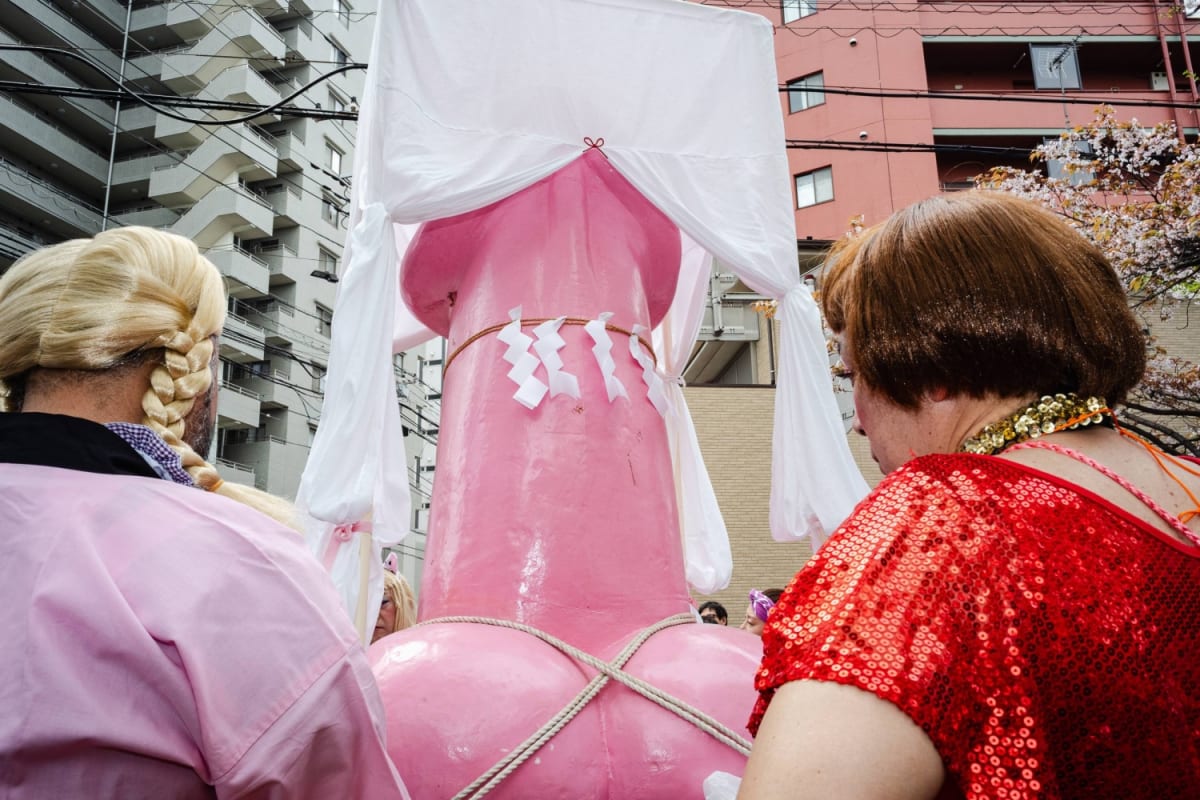
Every spring, thousands gather at a small shrine in Kawasaki for a unique celebration featuring colorful, towering shrines. The Kanamara Festival combines ancient tradition with modern charity, raising funds for HIV research and awareness.
%2Ffile%2Fattachments%2Forphans%2FFEATUREIMAGE1_176820.jpg)
Starting April 1st, nearly half a million South Africans can access a groundbreaking HIV prevention injection that requires just two doses per year and has shown 100% effectiveness in trials. The free rollout could help end AIDS as a public health threat by 2043.
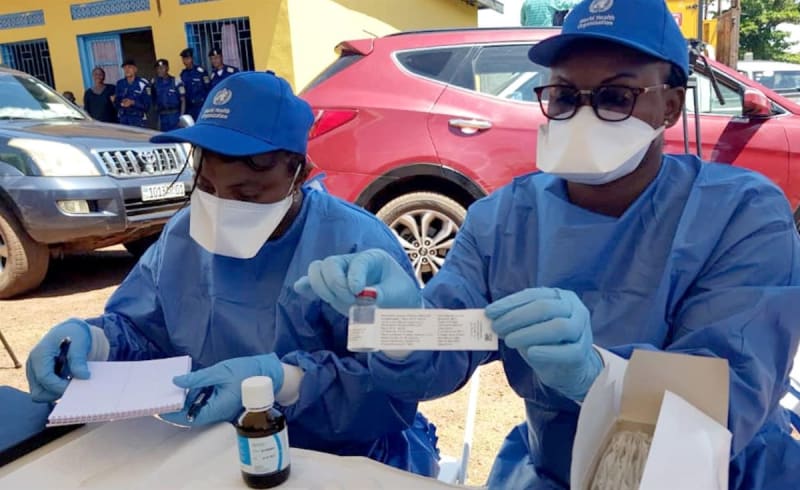
The Democratic Republic of Congo just locked in $1.2 billion over five years to strengthen its healthcare system and fight diseases like HIV, malaria, and tuberculosis. The partnership with the United States will bring lifesaving treatments and training to millions while Congo invests $300 million of its own funds into the effort.
Showing 20 of 10820