Search

Find uplifting stories about heroes, innovations, and solutions

5 results for "biodegradable plastic"

Wavy Plastic Matches Steel Strength in Concrete Tests
InnovationApr 10

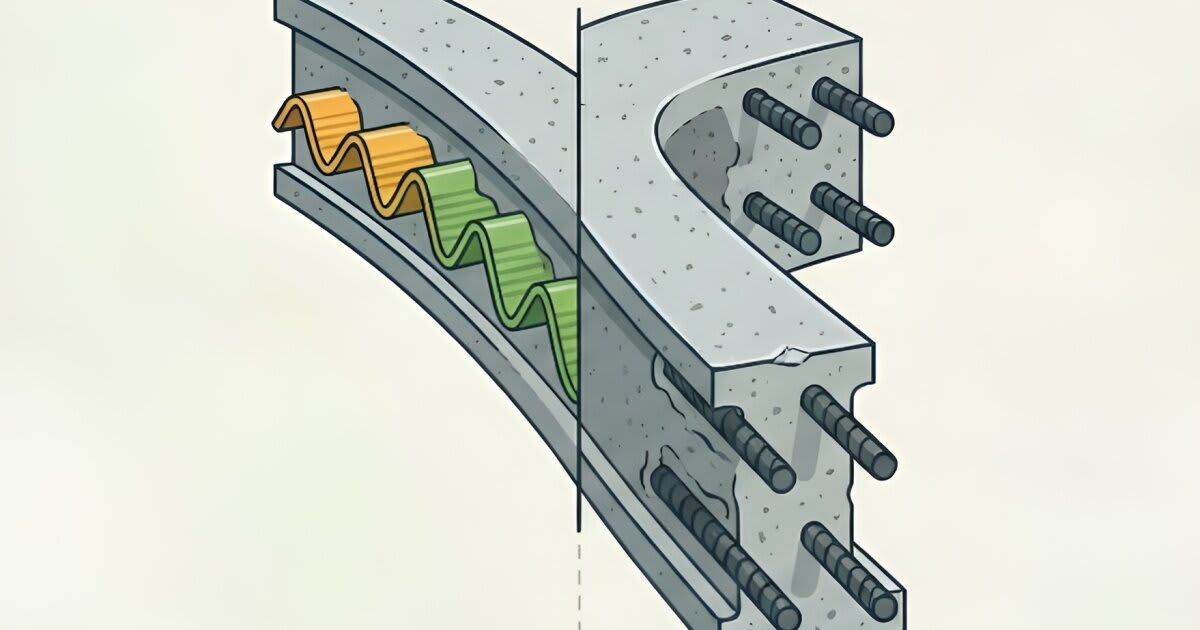
Wavy Plastic Matches Steel Strength in Concrete Tests

Scientists in the UAE discovered that 3D-printed wavy plastic can reinforce concrete almost as well as steel, offering a lighter, greener alternative for future construction. The breakthrough centers on shape as much as material.

New Atlas3 min read
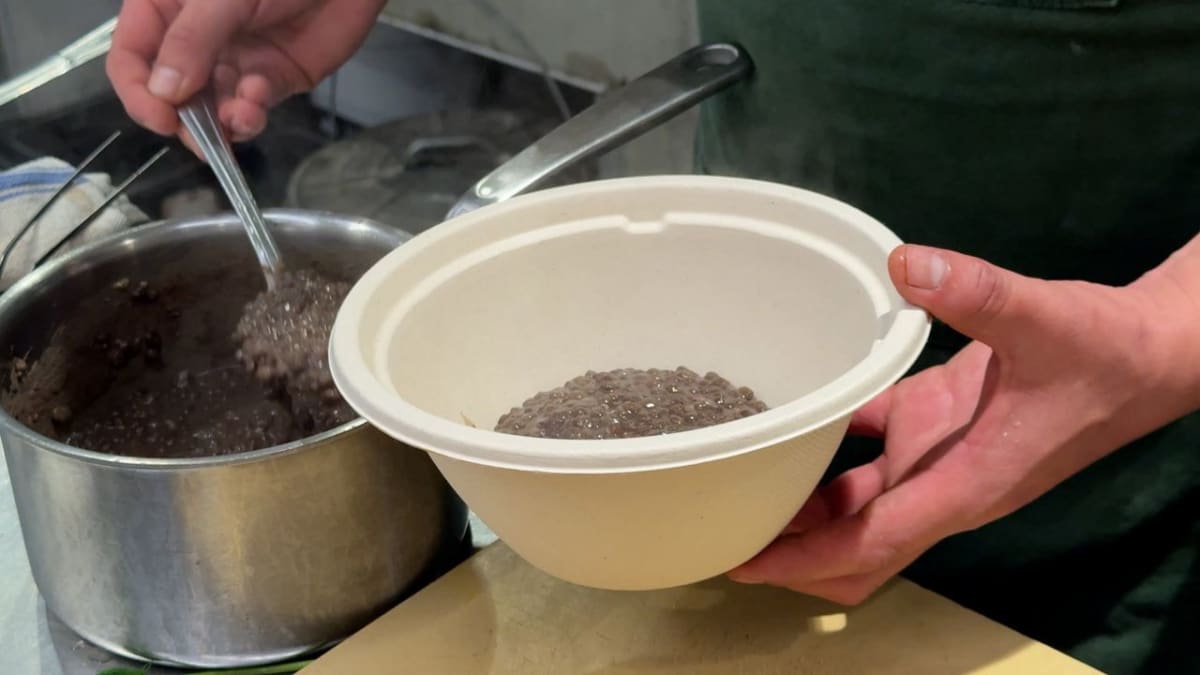
Milk-Based Plastic Breaks Down in Soil in Just 13 Weeks
InnovationMar 1

Milk-Based Plastic Breaks Down in Soil in Just 13 Weeks

Scientists created a biodegradable film from milk protein that completely disappears in soil in 13 weeks, offering hope for replacing single-use food packaging. The invention combines everyday ingredients to tackle one of the planet's fastest-growing pollution problems.

Science Daily3 min read
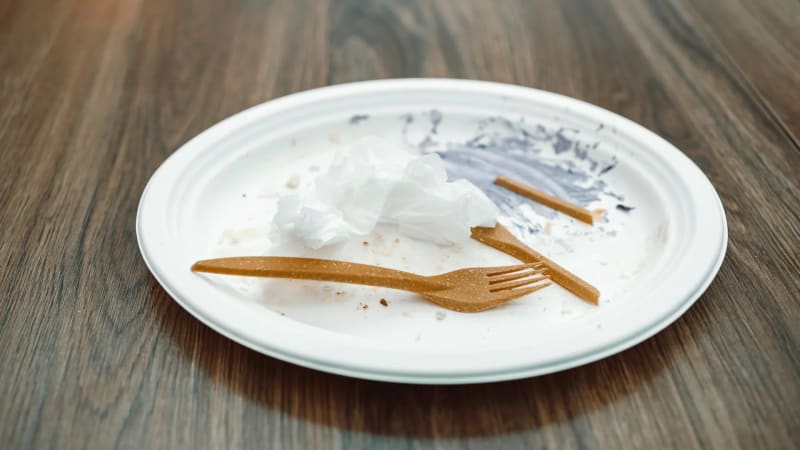
Bacteria Now Turn Waste Into Biodegradable Plastic
Planet WinsFeb 9

Bacteria Now Turn Waste Into Biodegradable Plastic

Scientists have trained bacteria to transform organic waste into plastic that breaks down naturally, offering a revolutionary solution to our planet's plastic pollution crisis. This breakthrough could finally give us the convenience of plastic without the environmental guilt.

TED2 min read
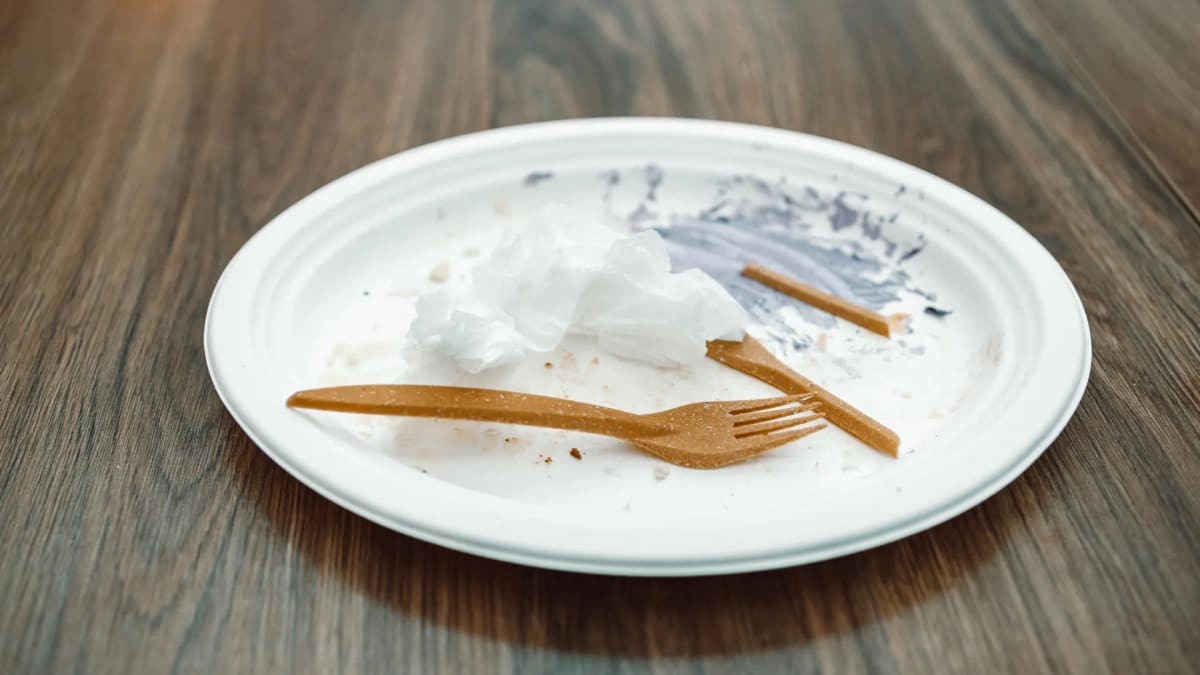
Biodegradable Plastics Could Cut Toxic Waste 34% by 2050
Planet WinsJan 29

Biodegradable Plastics Could Cut Toxic Waste 34% by 2050

A Yale study reveals biodegradable plastics could slash toxic pollution by over a third and reduce global waste up to 65% by mid-century, but only with proper disposal systems. Without the right infrastructure, these eco-friendly alternatives could actually double greenhouse gas emissions.

Phys.org - Earth3 min read
Bacteria Turn Methane Pollution Into Plastic and Protein
SolutionsJan 25

Bacteria Turn Methane Pollution Into Plastic and Protein

Scientists are using methane-eating microbes to transform one of the worst climate pollutants into useful products like biodegradable plastic and animal feed. These tiny bacteria already exist in nature and could help slow global warming while creating sustainable materials.

Google News - Climate Solution3 min read