
Scientists Reveal Why Humans Lost Vitamin C Production
Losing the ability to make our own vitamin C wasn't a random evolutionary accident. New research shows it became a secret weapon against deadly parasites.
Find uplifting stories about heroes, innovations, and solutions
4272 results for "c-span"
Losing the ability to make our own vitamin C wasn't a random evolutionary accident. New research shows it became a secret weapon against deadly parasites.
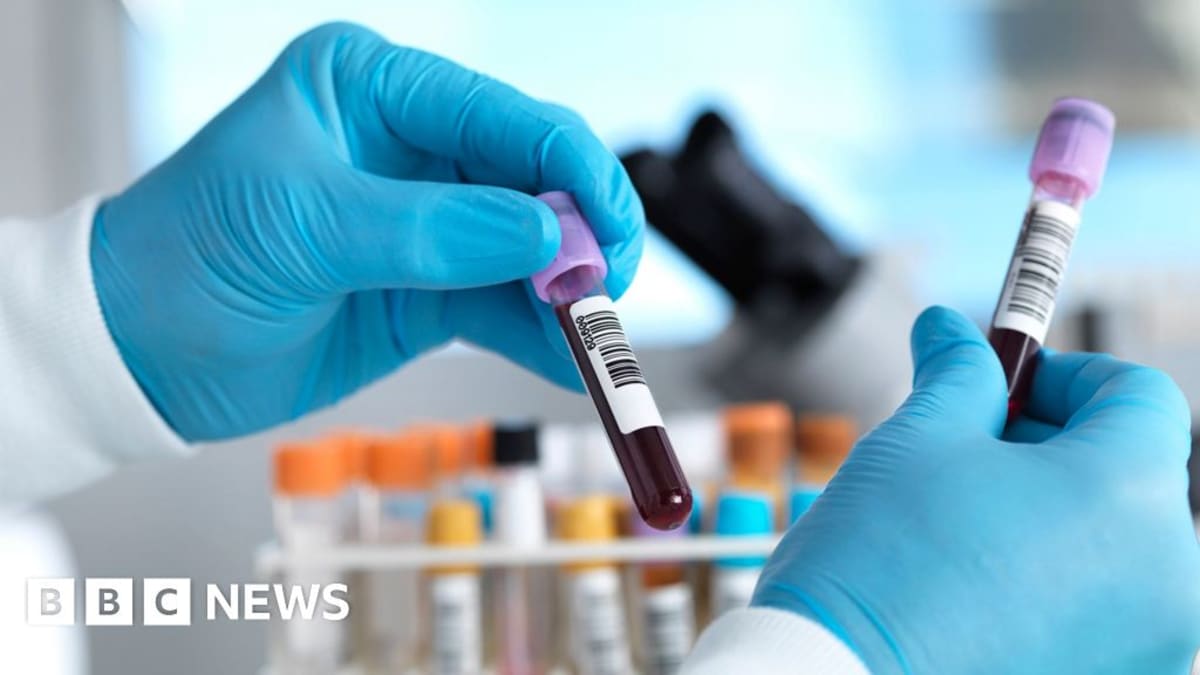
England is set to become one of the first countries in the world to eliminate hepatitis C, a deadly liver virus that's been silently affecting tens of thousands. Simple treatments and innovative testing programs are driving this remarkable public health victory.

Six high school students from Albert Lea just earned national prizes for documentaries connecting America's founding values to modern challenges. Their films on family farms and free speech won big in C-SPAN's StudentCam competition.

Twenty years ago, hepatitis C was a devastating chronic disease that led to liver failure and death. Today, a short course of pills cures 95% of patients, thanks to scientists who refused to give up.

Actress Pamela Anderson spoke publicly about her recovery from hepatitis C at a recent amfAR Gala in Venice. Her openness about the liver disease highlights medical advances in treating what was once considered incurable.

A Nobel Prize winner's book sparked a 50-year vitamin C craze that science now shows was largely wrong. New research reveals what actually works and saves you money.
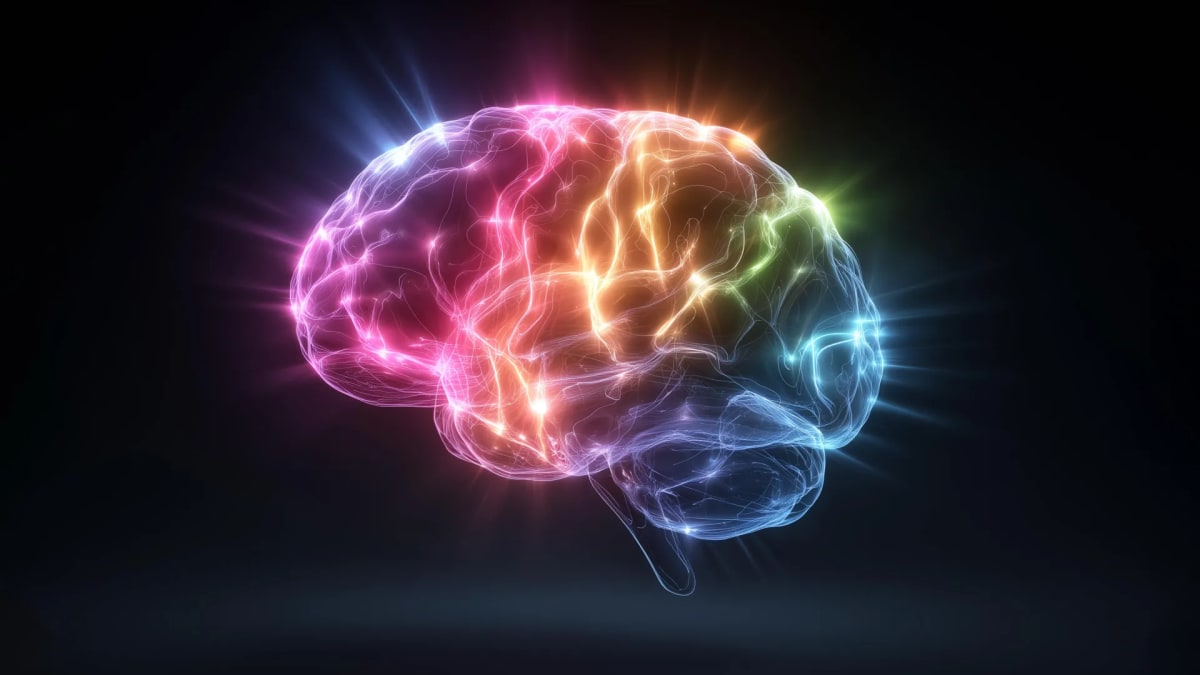
A study of more than 2,000 older adults in Japan found that higher vitamin C levels are connected to better brain structure and stronger memory networks. The discovery suggests your diet might play a bigger role in brain aging than we thought.

Michael Bartlett-Vanderpuye worked from his bedroom sending countless proposals before building M&C Group into a business with global ambitions. His journey from a single room to the boardroom shows how discipline and patience can transform modest beginnings into lasting impact.

After a year-long ban that left many EV owners stranded, B.C. Ferries is welcoming electric vehicles back on board starting May 19. The new policy balances safety concerns with the practical needs of ferry-dependent communities.
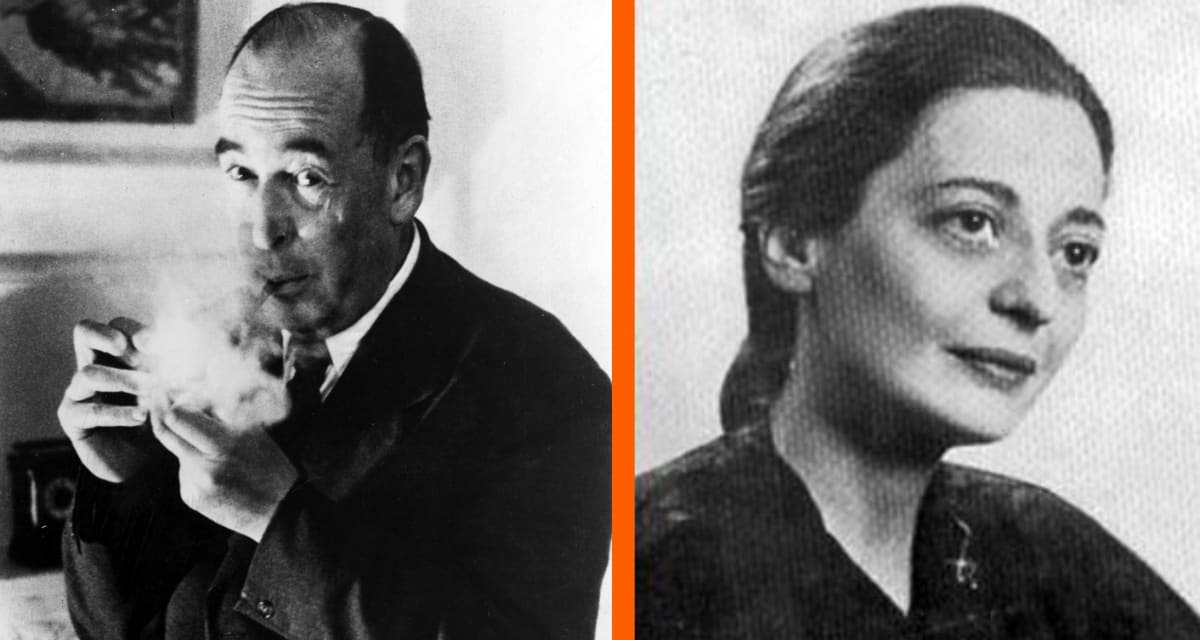
After losing his wife Joy to cancer in 1960, beloved author C.S. Lewis wrote one of the most honest accounts of grief ever published. His journal became "A Grief Observed," a book that continues to comfort millions navigating loss. ##
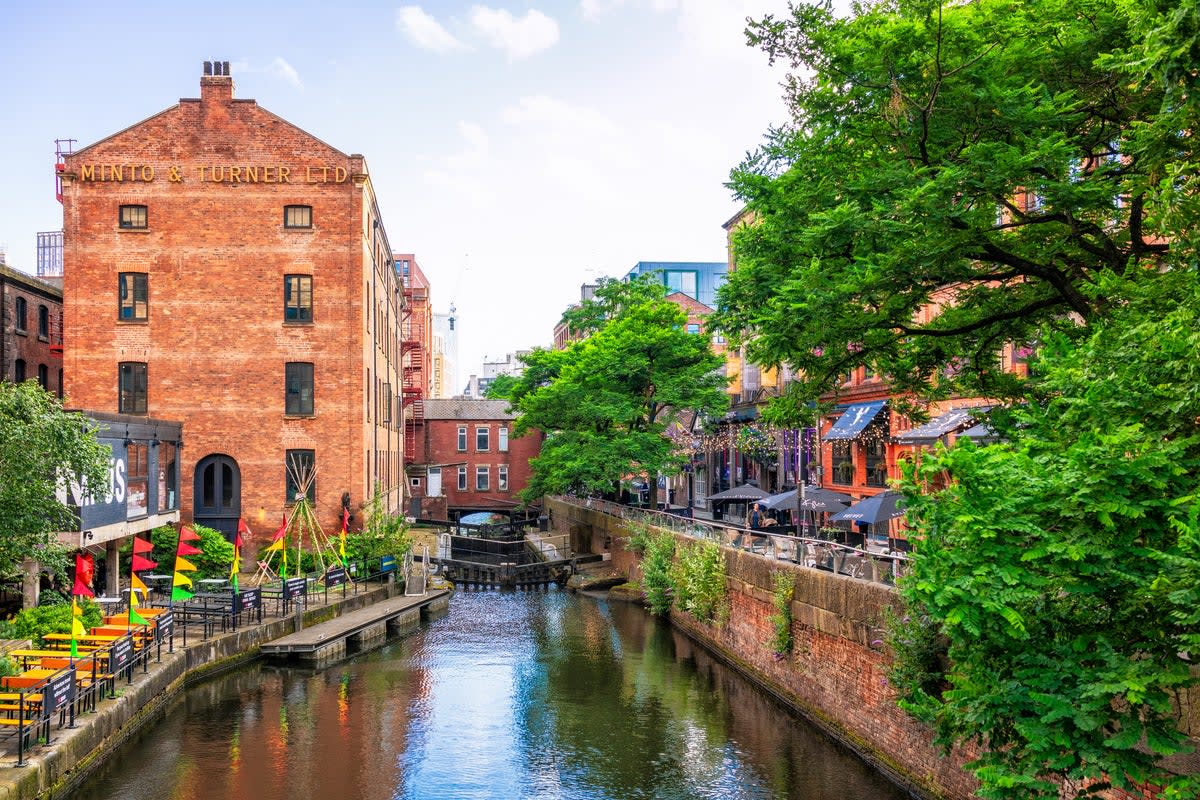
Canals in British and Irish cities cool neighborhoods up to 50 meters from their banks, dropping temperatures by more than 2°C during heatwaves. This discovery could help millions of people stay safer as extreme heat becomes more common.
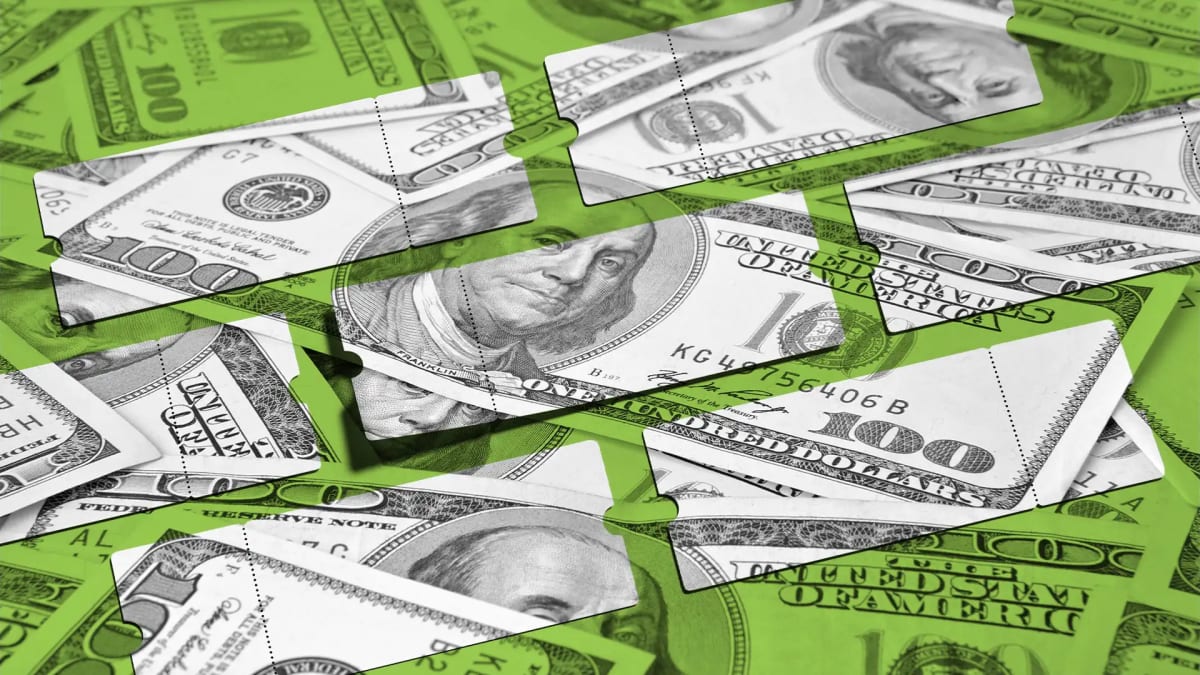
After a decade of hidden fees and pressure tactics, Ticketmaster's parent company will return $8.9 million to Washington D.C. customers who were overcharged. The settlement marks a major win for consumer protection and transparent pricing.

The Australian Open is putting player safety first by rescheduling matches as Melbourne faces dangerous 42°C temperatures. Tournament organizers are moving events to air-conditioned courts and adjusting schedules to protect athletes from extreme heat.

British Columbia is investing $155 million to plant over 125 million trees across the province, restoring habitats and helping forests recover from wildfires. The ambitious reforestation program brings B.C.'s tree-planting total to 525 million since 2017.
Seguin ISD just achieved its first C rating in five years after four straight years of D ratings. Even better, not a single campus in the district received an F grade this year.
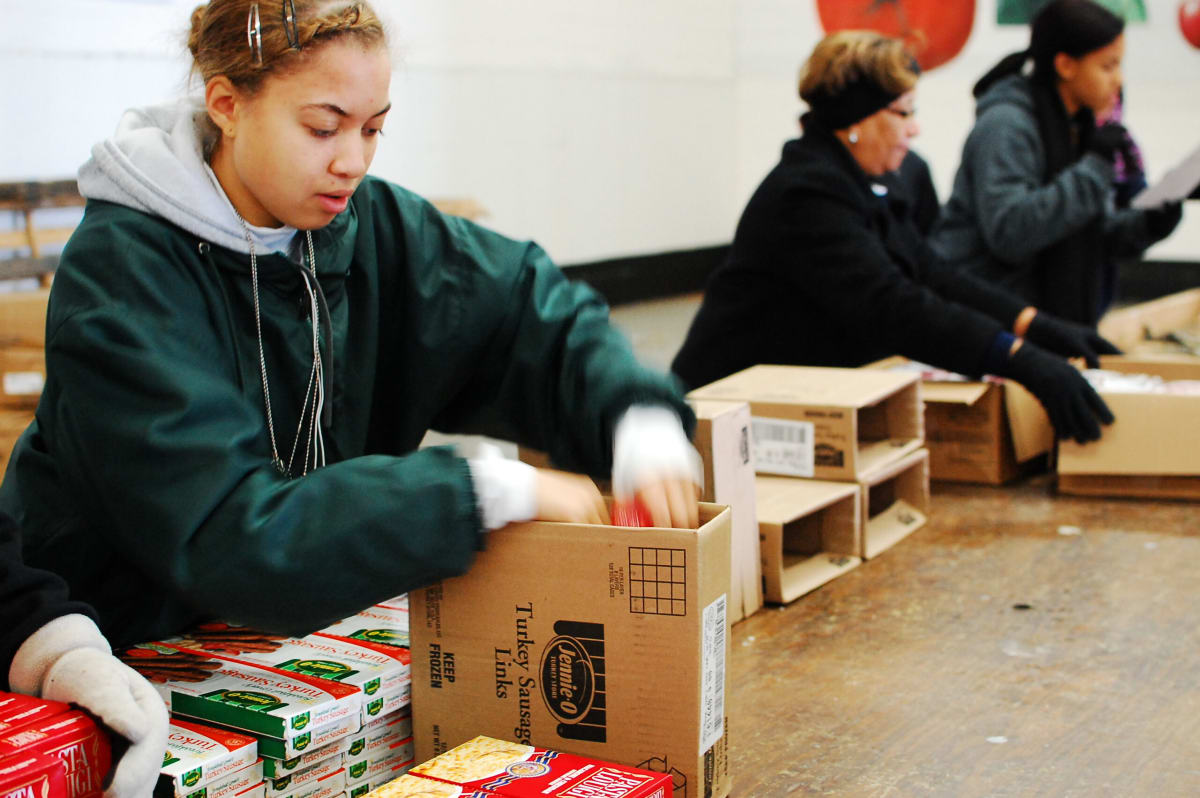
Washington, D.C. residents looking to make a difference this year have more opportunities than ever to support their neighbors experiencing homelessness. Local organizations are making it easier to volunteer with flexible shifts and simple daily actions anyone can take.
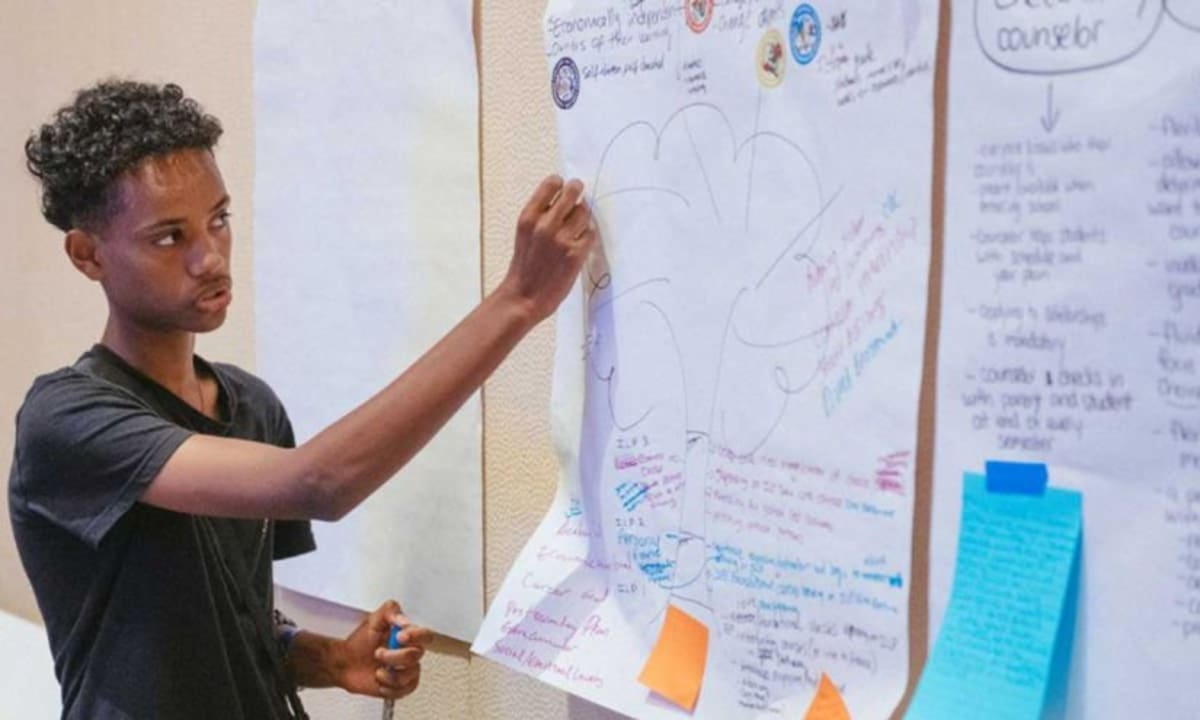
High schoolers in Washington D.C. are sitting at the decision-making table alongside teachers, and it's transforming schools. When students share their ideas, attendance jumps and graduation rates climb.
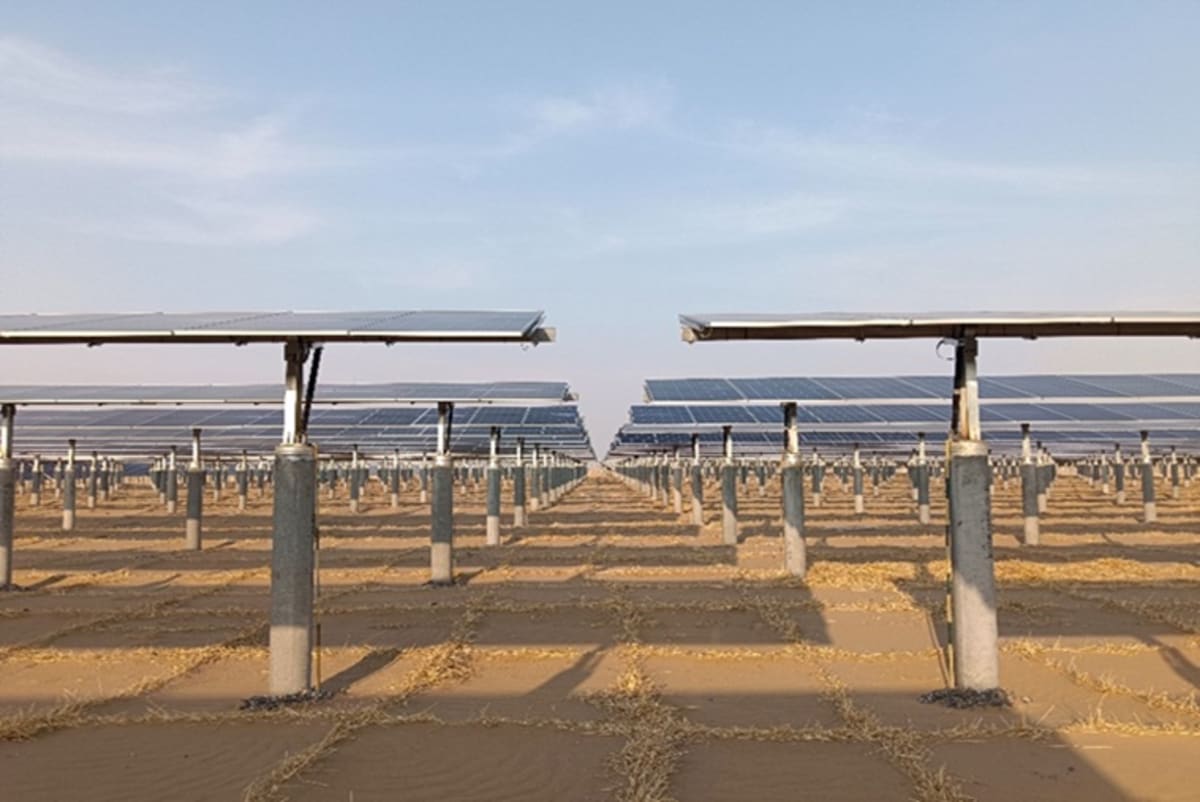
Scientists discovered that solar panels in China's arid regions create cooling zones up to 540 meters wide, dropping temperatures by over 3°C and boosting vegetation growth. This surprising side effect could help green the world's driest landscapes while generating clean energy.
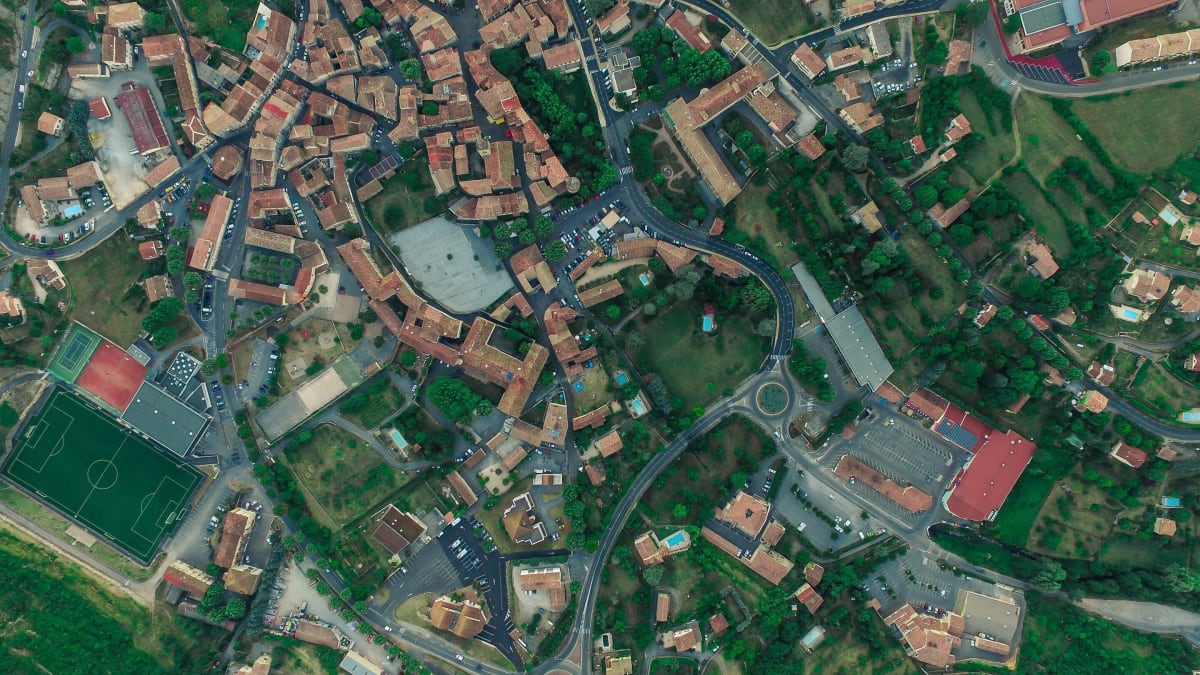
Researchers created an AI tool that uses satellite and street-level images to help city planners track every tree and green space in Washington, D.C. The technology reveals where neighborhoods need more greenery and could help cities worldwide build smarter, cooler urban forests.

A Hyderabad company created an AC alternative that delivers fresh air at 24°C in extreme heat while using just one-sixth the electricity of traditional air conditioning. The refrigerant-free system is already helping workers stay cool across multiple Indian cities without warming the planet.
Showing 20 of 4272