
Ethiopia Secures $261M from IMF After Key Reforms
Ethiopia just unlocked $261 million in IMF funding after implementing major economic reforms. The achievement marks a turning point for the nation's financial stability and economic recovery.
Find uplifting stories about heroes, innovations, and solutions
2275 results for "fiscal reform"
Ethiopia just unlocked $261 million in IMF funding after implementing major economic reforms. The achievement marks a turning point for the nation's financial stability and economic recovery.

Sustainable fashion company Reformation announced an ambitious "climate positive" goal in 2019, aiming to give back more to the planet than it takes. The move came after landmark climate reports pushed the company to rethink its entire environmental strategy.
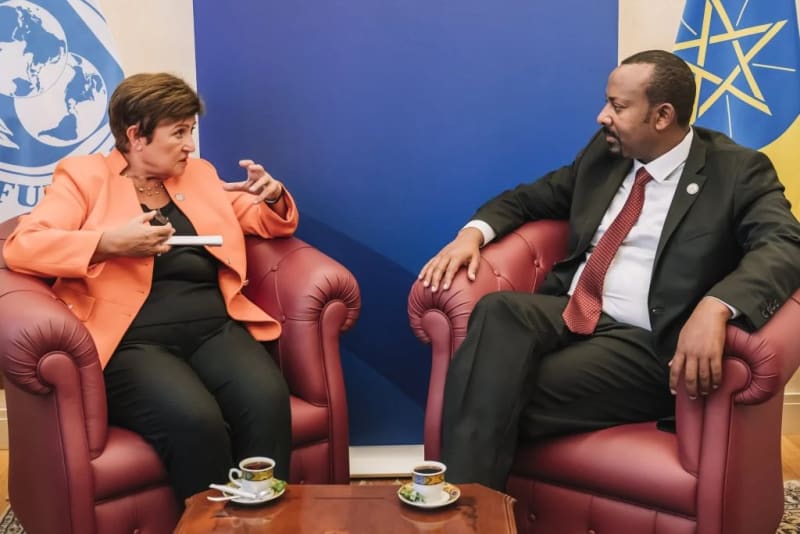
The International Monetary Fund approved $261 million for Ethiopia after the country exceeded economic targets, marking continued progress in its transformation journey. Rising exports, growing foreign reserves, and easing inflation signal that difficult reforms are paying off.
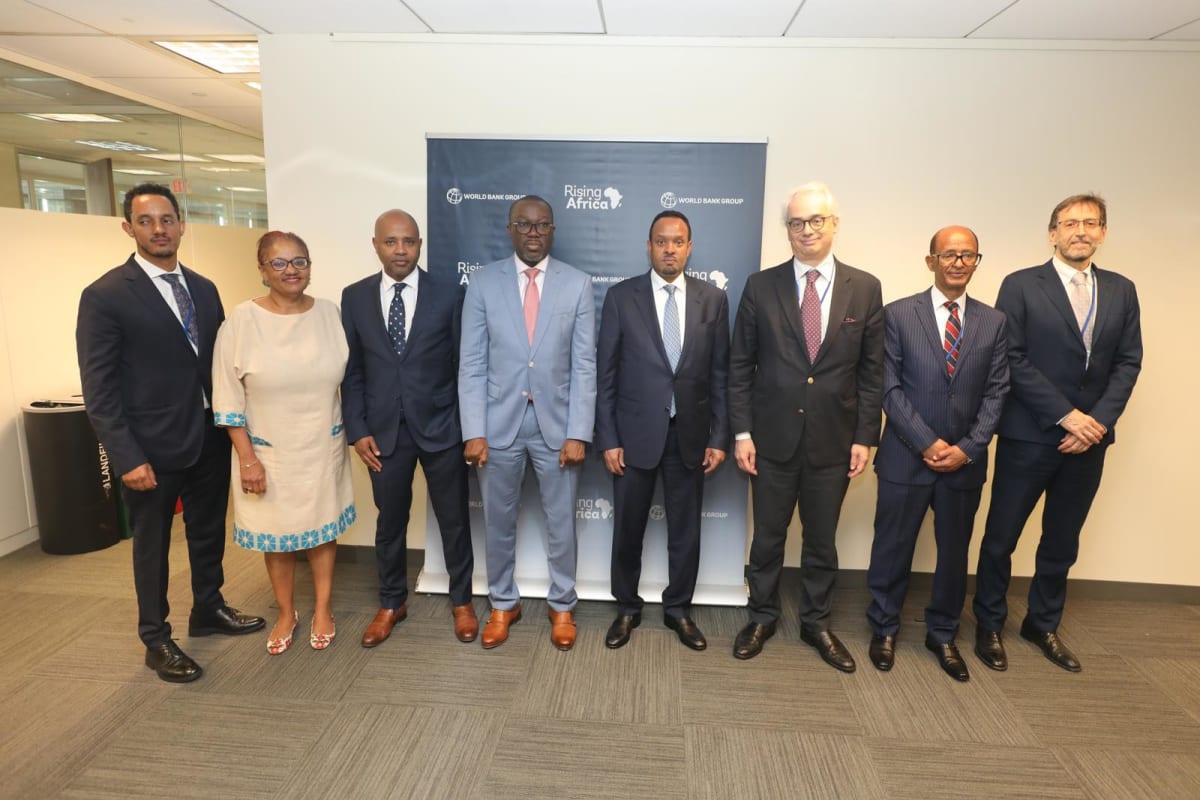
Ethiopia is securing stronger partnerships with the World Bank and Italy to support its ambitious economic reform program. The trilateral meeting marks a major step toward coordinated international support for the country's development goals.
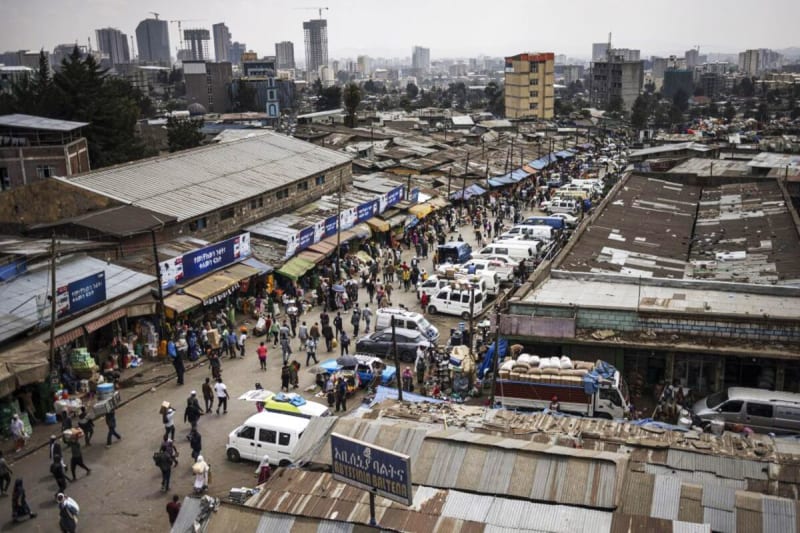
Ethiopia is set to achieve double-digit economic growth for the first time in nearly a decade, marking a major turnaround for East Africa's second-most populous nation. IMF-backed reforms that freed up foreign exchange and boosted exports are driving the comeback.
S&P Global Ratings upgraded Nigeria's credit rating from B- to B, recognizing three years of sustained economic reforms that are strengthening the nation's financial future. The upgrade follows similar positive ratings from Fitch and Moody's, signaling growing global confidence in Africa's largest economy.

The tiny African island nation of São Tomé and Príncipe has launched a citizenship-by-investment program, entering a $5.2 billion global market just as Caribbean nations strengthen their rules. Despite international pressure and recent reforms, these "golden passport" programs continue generating crucial revenue for small island nations recovering from economic shocks.

Cuba's president unveiled sweeping economic reforms targeting tourism, agriculture, and trade to revitalize the island nation's struggling economy. The changes aim to reduce bureaucracy and open doors for private business in key sectors.
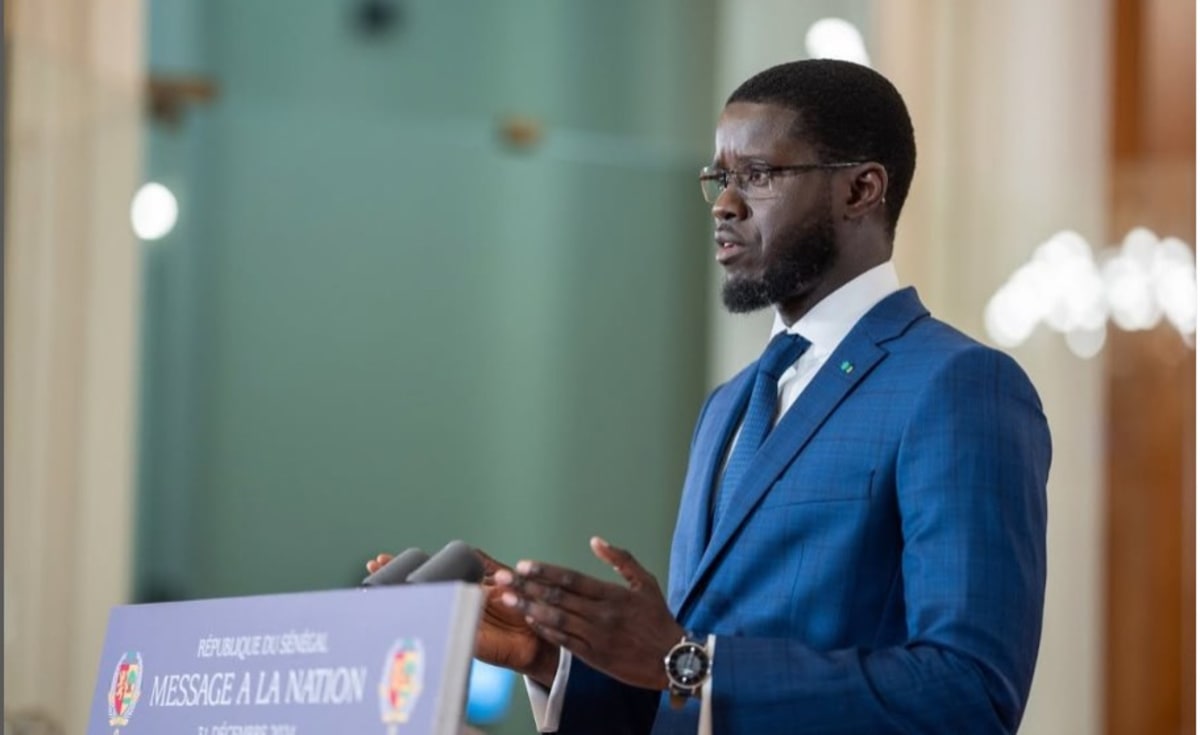
Senegal's parliament approved constitutional reforms that would shift more authority to lawmakers and limit presidential powers, but the final decision now rests with the people. A national referendum will let Senegalese citizens vote on their country's political future.
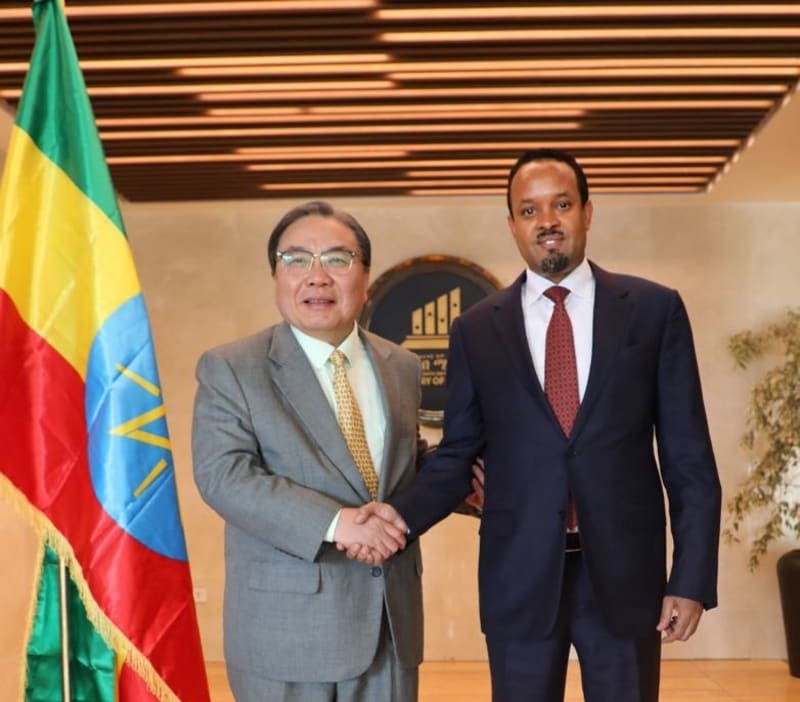
Ethiopia's bold economic reforms are winning major backing from the World Bank, opening new pathways for private sector growth and regional trade. The partnership signals growing confidence in the nation's transformation toward a more dynamic, diversified economy.
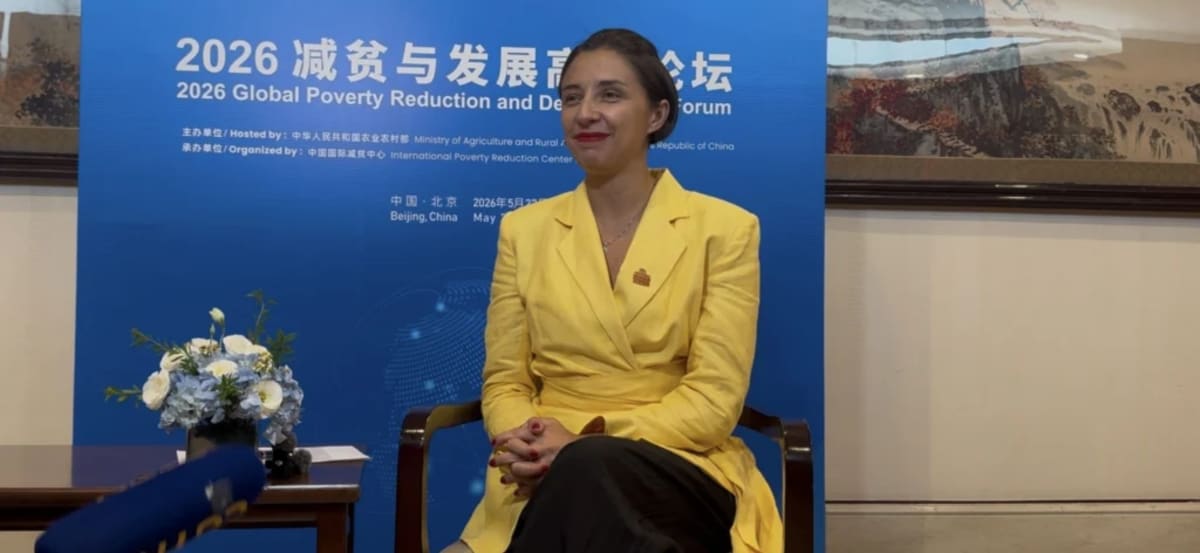
Colombia is redistributing land to farmers in its biggest agrarian reform ever, replacing coca crops with coffee and cocoa while building partnerships with China for rural development. The transformation aims to reduce poverty, fight illicit drug production, and restore dignity to those who work the land.

Japanese workers are finally breaking free from their nation's infamous overwork culture. Since 2019 reforms, they're taking more vacation days and working less overtime.
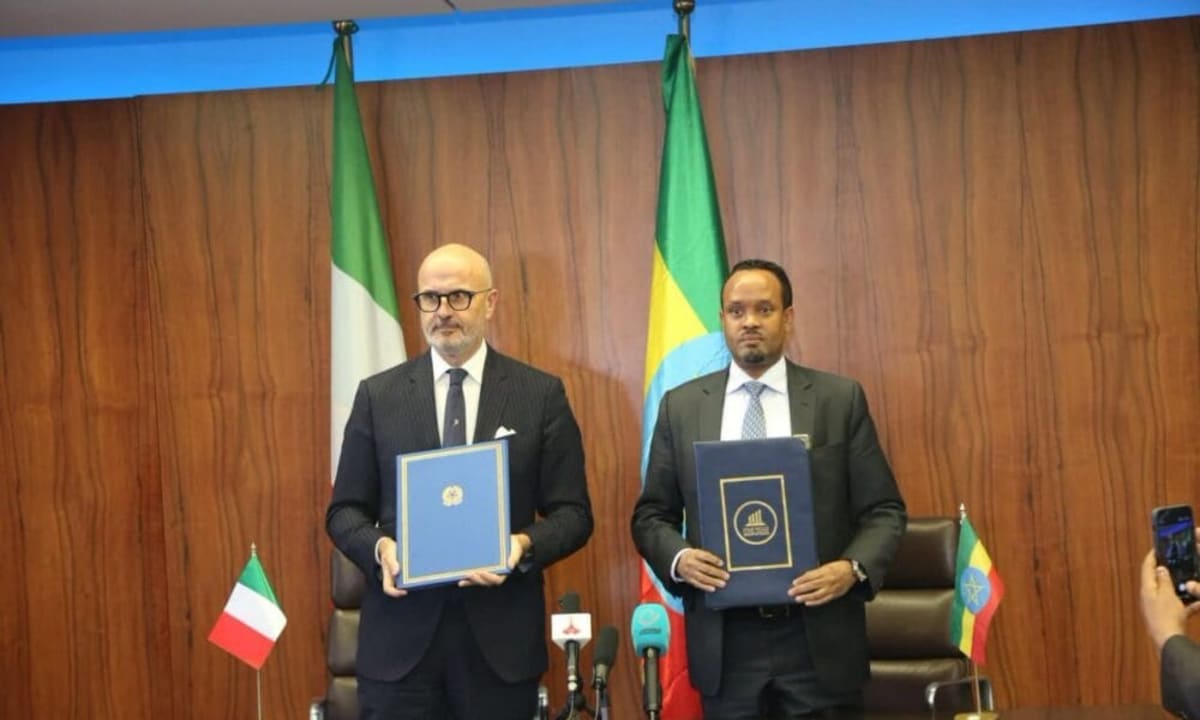
Italy just delivered €70 million to support Ethiopia's ambitious economic transformation, part of a growing wave of international confidence in the country's reform agenda. The partnership signals real momentum in Ethiopia's journey toward economic stability and growth.

Governor Dauda Lawal just signed sweeping executive orders to transform Zamfara State's education system, targeting everything from school safety to teacher quality. The reforms mark a shift from just building classrooms to creating real learning outcomes for thousands of Nigerian students.

A retired federal judge is championing transparent voting reforms for Nigeria's legal profession, endorsing national ID verification to restore trust in bar association elections. His call for democratic change comes after years of disputed election outcomes.

Argentina's Senate approved sweeping labor reform legislation that could reshape how the country hires workers and runs its economy for the first time since the 1970s. The vote signals growing political momentum for President Javier Milei's economic transformation plans.
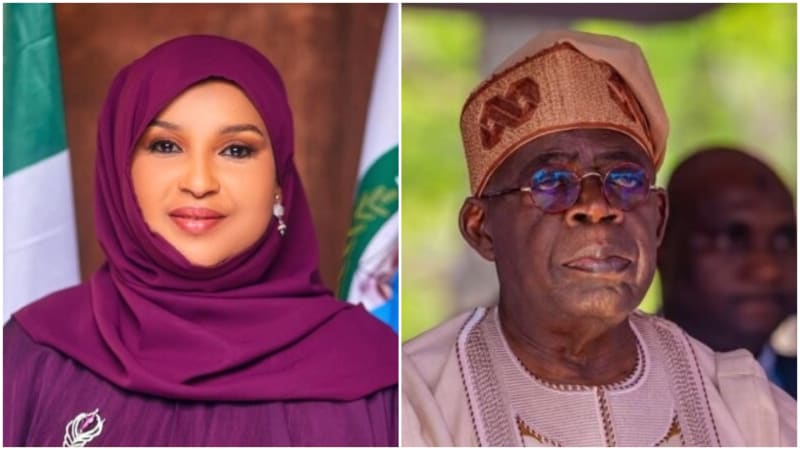
Nigeria has been removed from the global financial watchdog's grey list after three years of coordinated reforms to combat money laundering and terrorism financing. The breakthrough opens doors for increased foreign investment and restores international confidence in Africa's largest economy.

Chief Justice Kudirat Kekere-Ekun is launching an ethics initiative targeting Nigeria's lower courts, where 70% of cases are heard but where neglect has created justice delays for millions. Her focus on grassroots reform could restore access to justice for ordinary Nigerians who can't afford higher court litigation.
Nigeria has been removed from two major international financial watchlists after three years of comprehensive reforms. The country's upgraded status will boost investor confidence and strengthen its global financial standing.
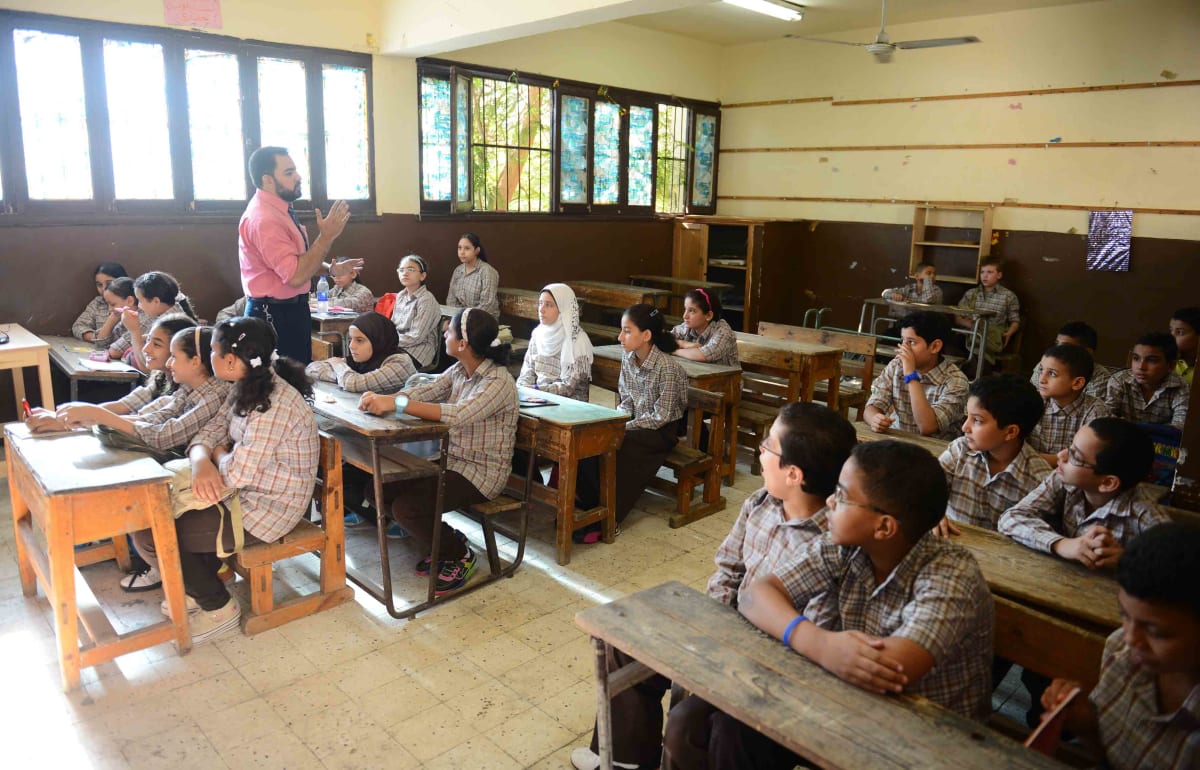
Egyptian classrooms are transforming as student attendance jumps from 15% to 87% following sweeping education reforms. Class sizes are shrinking and learning conditions are finally improving for millions of students.
Showing 20 of 2275