Search

Find uplifting stories about heroes, innovations, and solutions

5 results for "flexible electronics"

Chinese Solar Cell Hits 19% Efficiency, Lasts 100K Hours
Planet Wins6d ago

Chinese Solar Cell Hits 19% Efficiency, Lasts 100K Hours

Scientists in China just solved one of solar power's biggest puzzles: making flexible panels that are both efficient and incredibly durable. Their breakthrough polymer solar cell could finally make bendy, long-lasting solar panels practical for everyday use.

PV Magazine2 min read
This Magazine Cover Is a Playable Tetris Game
InnovationFeb 22

This Magazine Cover Is a Playable Tetris Game

Red Bull just published a magazine with a fully functional Tetris game built into its paper cover. Only 150 copies exist, but they prove gaming devices can literally be made of paper.

The Verge3 min read
Flexible AI Chip Costs Under $1, Bends 40,000 Times
InnovationJan 30

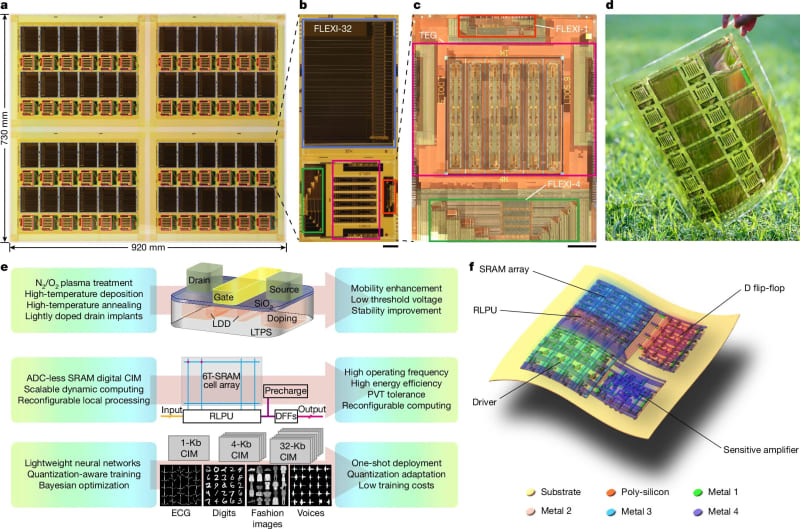
Flexible AI Chip Costs Under $1, Bends 40,000 Times

Chinese researchers created a chip thinner than a human hair that could finally make smart wearables live up to their promise. FLEXI costs less than $1 to produce, runs AI locally, and survives being folded thousands of times.

Phys.org - Technology2 min read
New Graphene Method Could Transform Flexible Electronics
InnovationJan 27

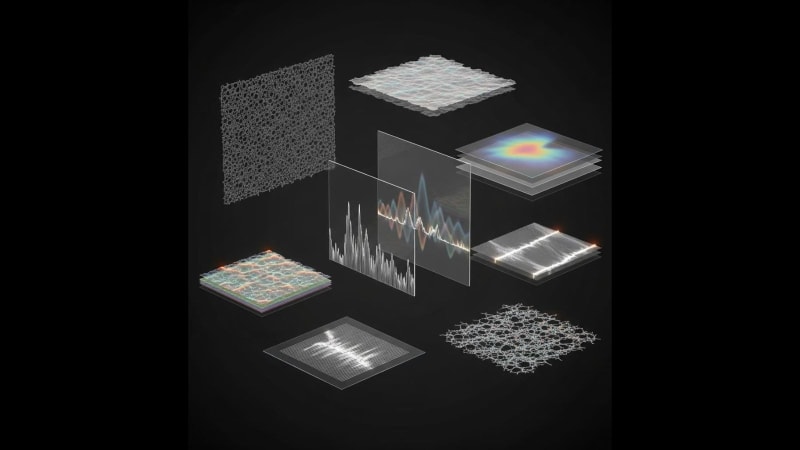
New Graphene Method Could Transform Flexible Electronics

Scientists in South Korea have cracked a major puzzle in electronics, creating pristine graphene patterns smaller than a human hair without damaging the material. This breakthrough could finally bring us bendable screens and ultra-thin medical devices that actually work.
Phys.org2 min read
Scientists Create Motor Powered by Swirling Liquid Metal
VideosJan 19

Scientists Create Motor Powered by Swirling Liquid Metal

Australian researchers built a tiny motor that spins using liquid metal flows instead of rigid parts, reaching 320 revolutions per minute. The breakthrough could revolutionize soft robotics and medical devices that need to bend, stretch, and move through tight spaces.

Phys.org - Technology3 min read