Search

Find uplifting stories about heroes, innovations, and solutions

5 results for "heredity"

Monk's Pea Plant Discovery Changed Science Forever
Community HeroesJan 19

Monk's Pea Plant Discovery Changed Science Forever

A shy Austrian monk, deemed too timid for priesthood, bred 28,000 pea plants in a quiet monastery garden and accidentally discovered the laws of genetics. His groundbreaking work went unnoticed for decades, but eventually transformed our entire understanding of heredity.


Google: scientific discovery2 min read
Scientists Find 7% of Traits Bypass DNA's Classic Rules
Health & Wellness2h ago

Scientists Find 7% of Traits Bypass DNA's Classic Rules

Researchers discovered that some inherited traits skip traditional genetics entirely, revealing nature's surprising shortcut to adaptation. About 7% of inheritance patterns broke Mendel's century-old laws.

Google News - Scientists Discover3 min read
Swiss Scientist Found DNA in 1869, 84 Years Early
Community HeroesApr 27

Swiss Scientist Found DNA in 1869, 84 Years Early

A Swiss doctor discovered DNA in pus-soaked bandages decades before Watson and Crick became famous for it. His forgotten breakthrough laid the groundwork for understanding all life on Earth.

Google: scientific discovery3 min read
St. Louis Zoo Saves Endangered Species With Science-Led Births
Acts of KindnessApr 10

St. Louis Zoo Saves Endangered Species With Science-Led Births

Behind every adorable zoo baby is a carefully orchestrated conservation effort that's helping save species from extinction. The Saint Louis Zoo has welcomed Amur tiger triplets, cheetah quintuplets, and the first-ever African painted dog pups through a nationwide breeding program designed to protect endangered animals.

Google: species saved endangered2 min read
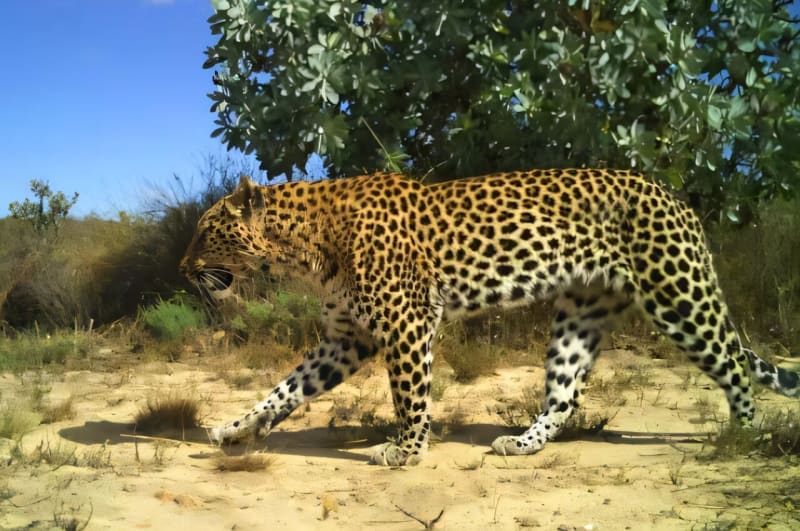
South Africa's Cape Leopards Are Genetically Unique
Planet WinsMar 2

South Africa's Cape Leopards Are Genetically Unique

Scientists discovered that fewer than 1,000 leopards living in South Africa's Cape region evolved into their own distinct genetic group after 20,000 years of isolation. The small cats are thriving today thanks to conservation efforts that began in the 1960s.

Phys.org3 min read