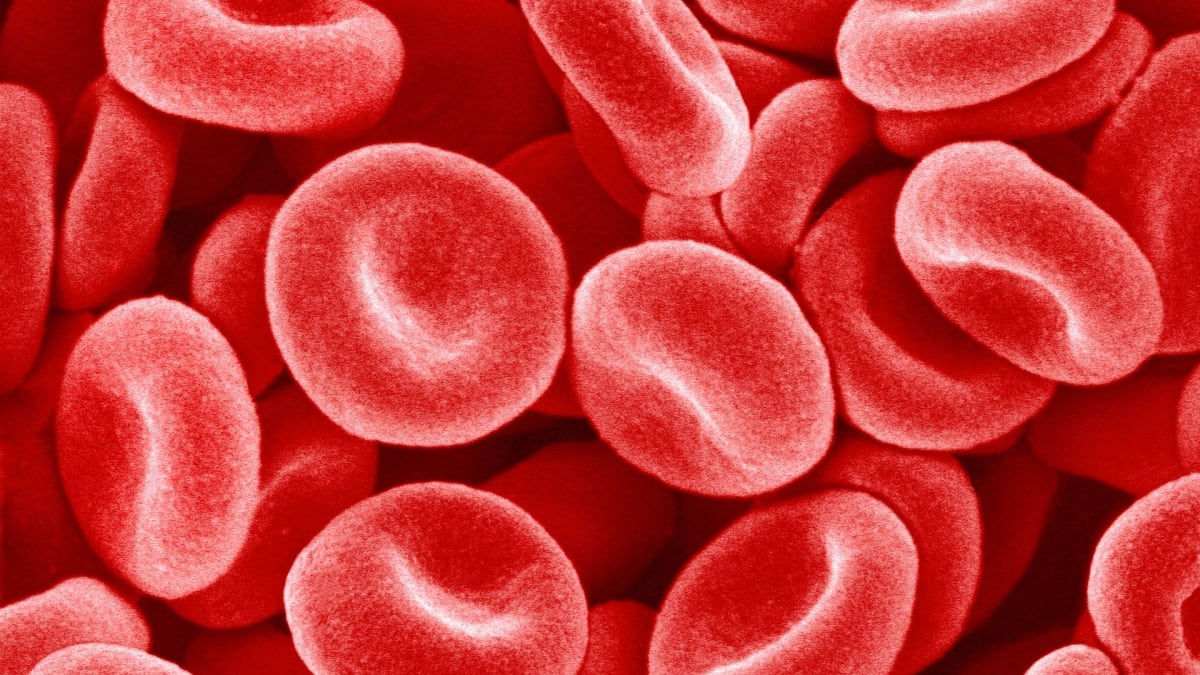
High Altitude Lowers Diabetes Risk, Scientists Find Why
Scientists discovered why people living at high altitudes have lower diabetes rates. Red blood cells in low-oxygen environments consume more glucose to help oxygen reach tissues.
Find uplifting stories about heroes, innovations, and solutions
23958 results for "high altitude health"
Scientists discovered why people living at high altitudes have lower diabetes rates. Red blood cells in low-oxygen environments consume more glucose to help oxygen reach tissues.
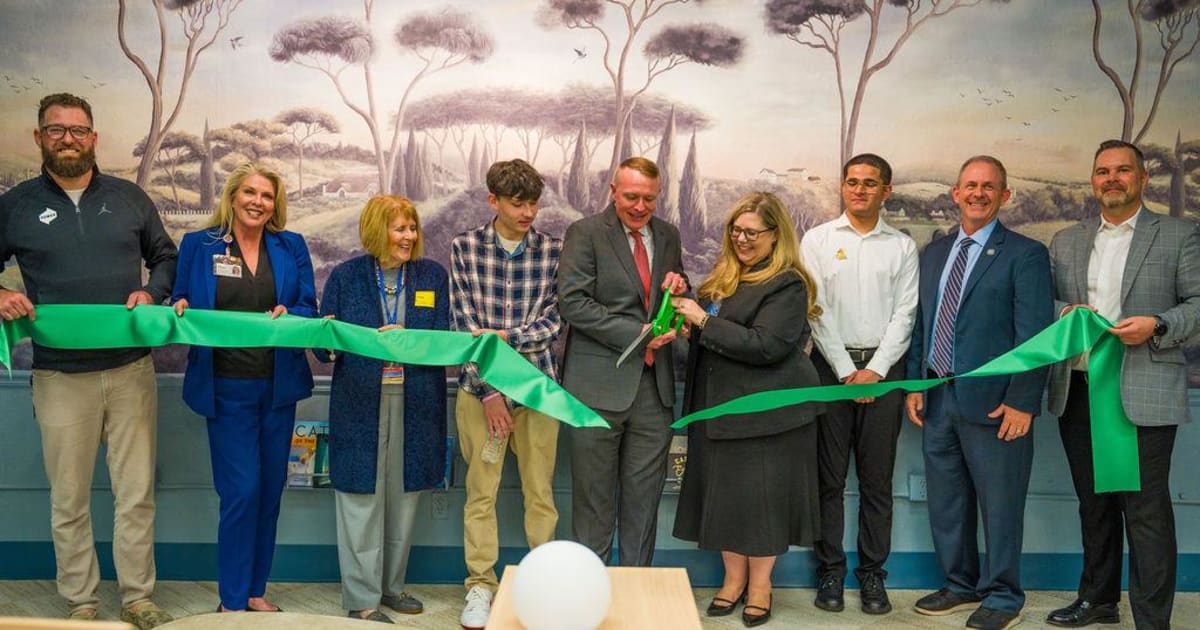
A Florida high school just transformed a classroom into a dedicated space where students can reset, build coping skills, and find support during tough moments. The Panther's Den wellness room is part of a growing movement putting mental health resources directly into schools where teens need them most.
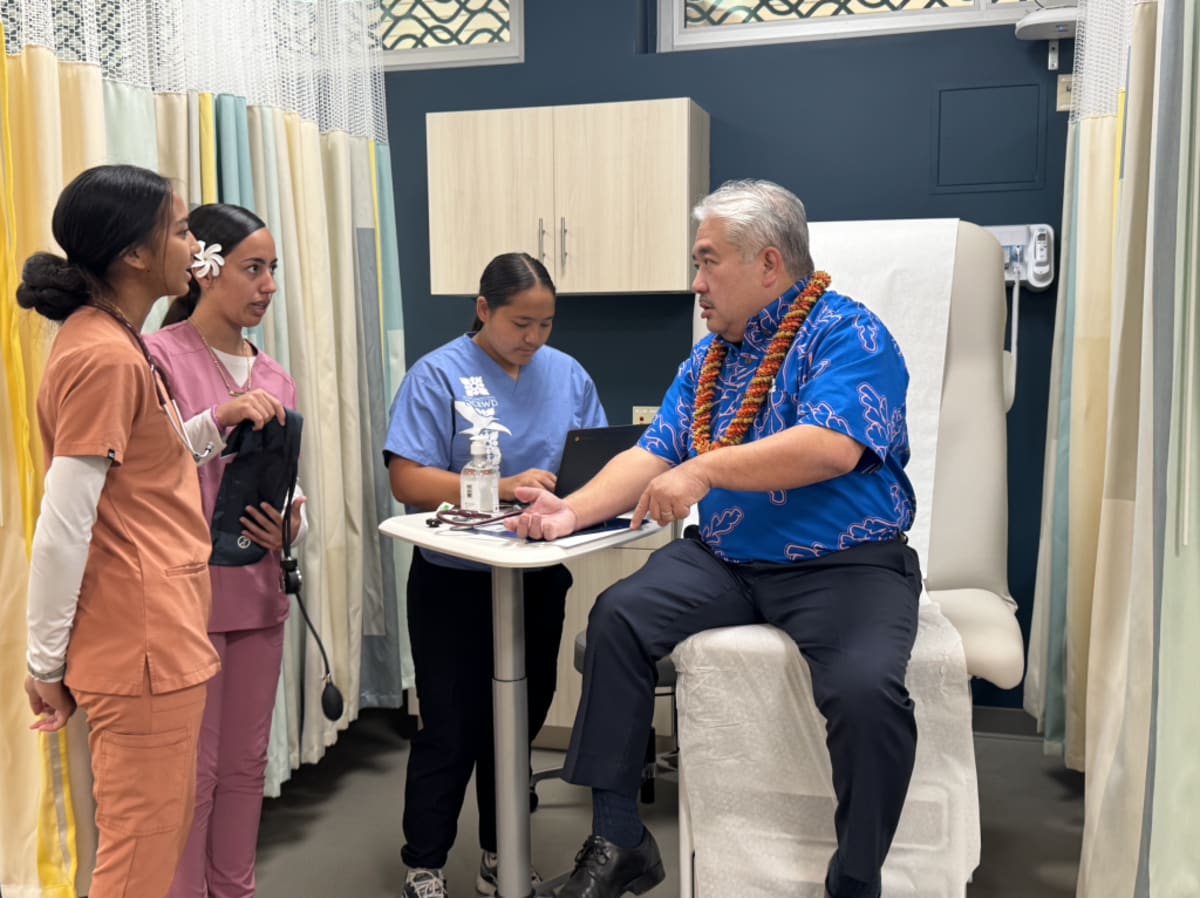
Wai'anae High School just unveiled Hawaii's first public high school health learning lab, giving students hands-on training for healthcare careers the state desperately needs. With nearly 4,700 healthcare jobs open across the islands, this state-of-the-art facility is training tomorrow's nurses, medical assistants, and phlebotomists today.

Senator Oluremi Tinubu is rallying nations to invest in science-backed health systems and collaborative solutions. Her World Health Day message champions the One Health approach that connects human, animal, and environmental wellbeing.
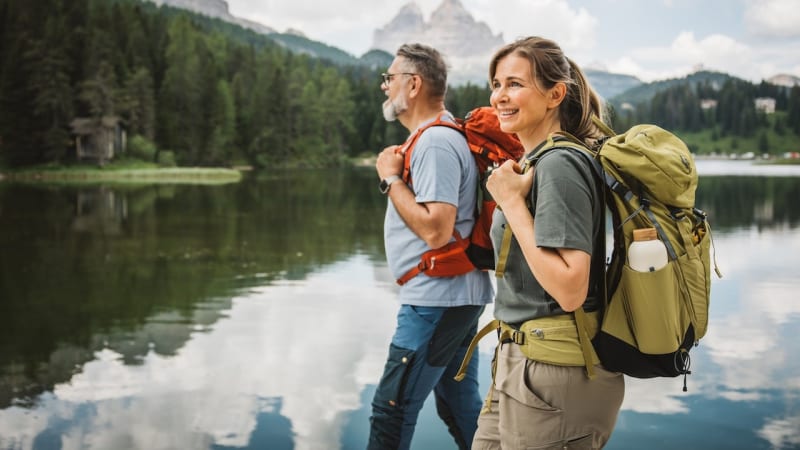
Scientists discovered why mountain living reduces diabetes risk: red blood cells act like sugar sponges in low-oxygen environments. The breakthrough could lead to new treatments for millions managing blood sugar.

Most men fall short of the recommended 38 grams of daily fiber, missing out on major gut and heart health benefits. These five delicious recipes pack both protein and fiber into meals that actually keep you full.

A new comprehensive guide shows organizations how to secure funding for Mental Health First Aid programs, making mental health education more accessible to communities nationwide. The step-by-step resource covers everything from finding grants to writing winning applications.
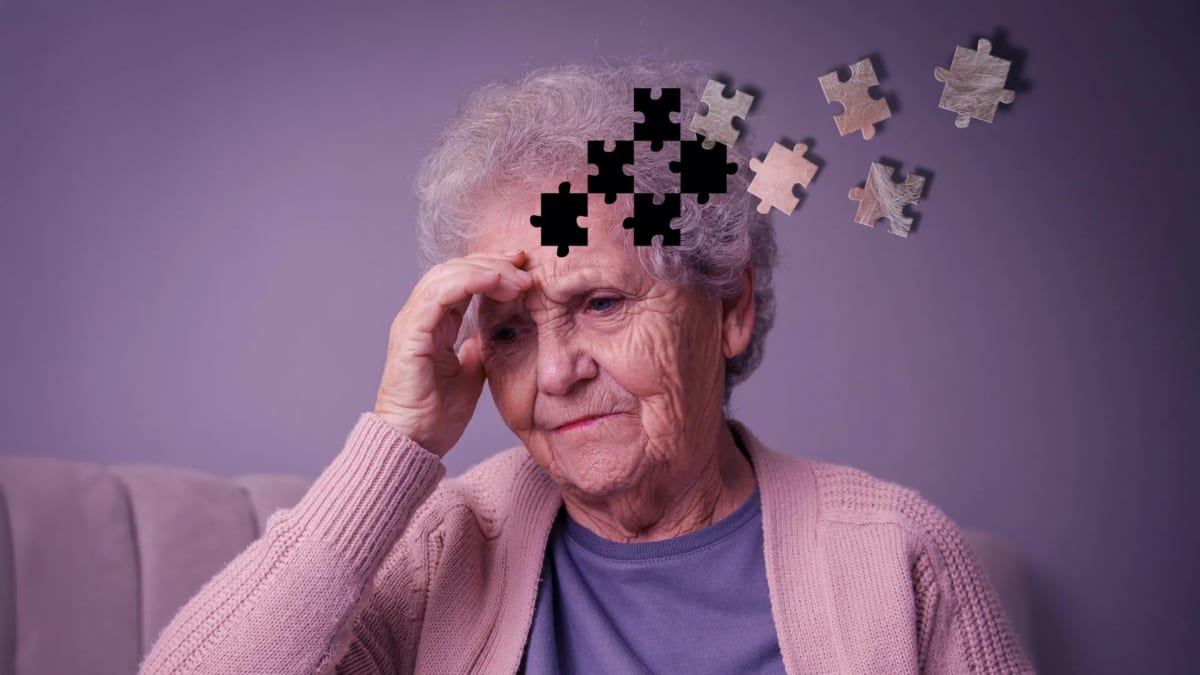
A groundbreaking study of 17,000 adults reveals that common health problems like high blood pressure and depression harm women's brain health more severely than men's. This discovery could transform how doctors prevent dementia in millions of women.
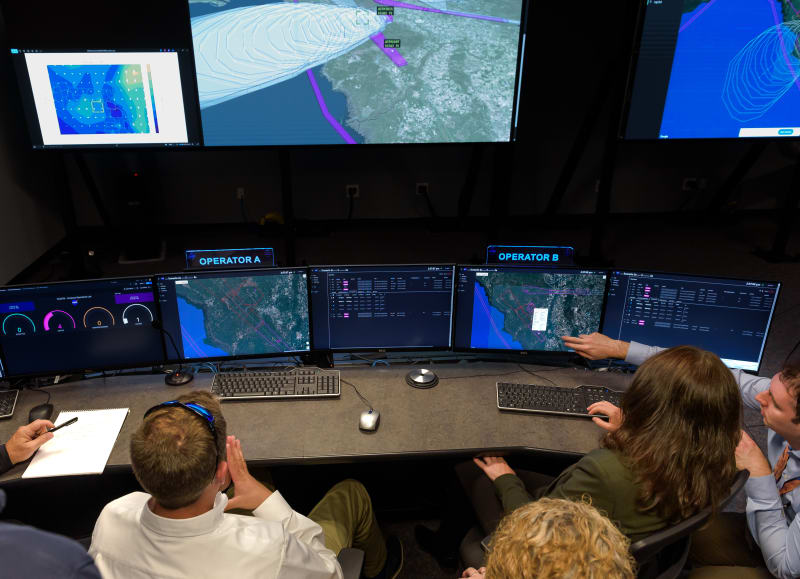
NASA just successfully tested a system that could make high-altitude airspace safer and more accessible for aircraft bringing internet to remote areas and monitoring disasters. The breakthrough could open the door to life-saving humanitarian missions above 50,000 feet.

Brazil just unveiled a groundbreaking digital platform that puts scientific research, health data, and policy tools in one place for thousands of local health officials. The new Observatory on Health Policies will help cities make better healthcare decisions backed by real evidence.

A global coalition of over 100 organizations from 40 countries is calling on the World Health Organization to treat gun violence as a preventable public health emergency, not just a criminal justice issue. The movement, inspired by survivors like South African activist who lived 40 years with a gunshot disability, aims to save lives through the same public health approach that reduced tobacco deaths worldwide.
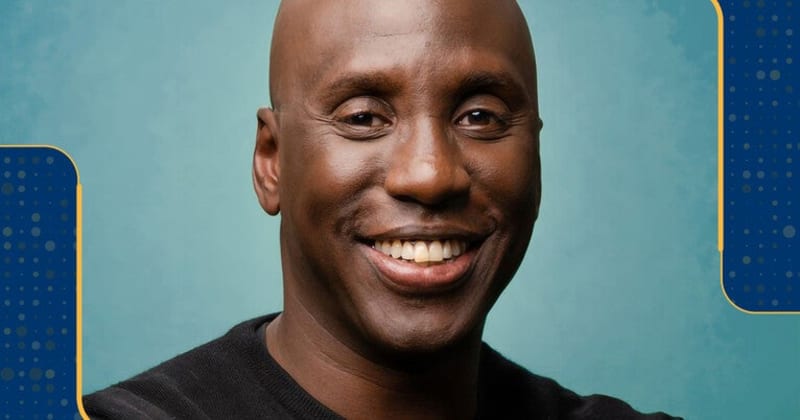
Yale School of Public Health is turning medical research into real-world solutions that work at scale. Through its new Future of Health Innovation Hub, students and faculty are launching startups that have already reached 30 countries and helped millions access better healthcare.
Two major health organizations just joined forces to revolutionize healthcare access for millions of African women and adolescents. The partnership will bring life-saving innovations, better health products, and data-driven solutions to communities across the continent.
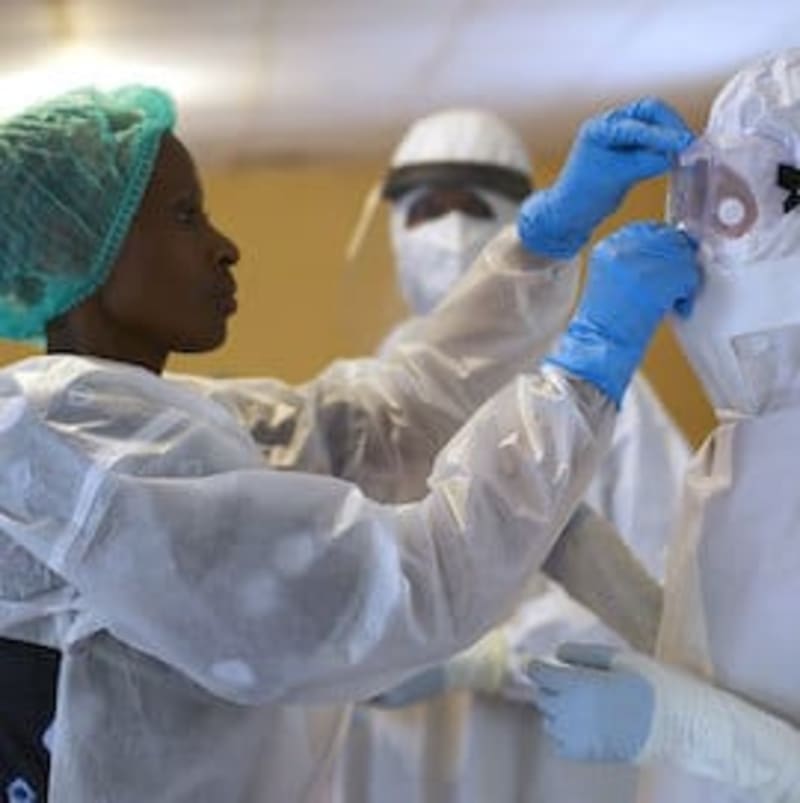
Two major health organizations just joined forces to transform healthcare for women and adolescents across Africa. The partnership will use data and innovation to improve health outcomes for millions.

Six health champions from five continents received top global honors for bringing lifesaving care to the world's most underserved communities. Their work proves that innovation and compassion can transform health systems from the ground up.
Nigeria has trained 78,000 frontline health workers in just two years and expanded health insurance to nearly 22 million people. The dramatic improvements show how focused investment can transform healthcare access for millions.
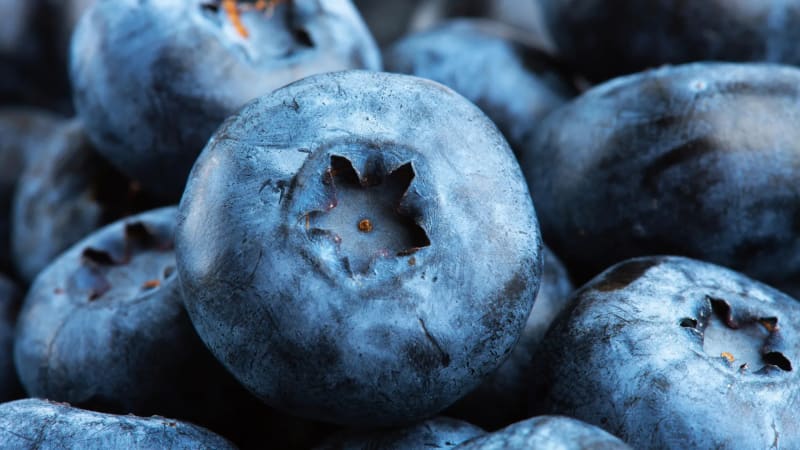
A sweeping review of 24 years of research reveals wild blueberries can improve blood vessel function within hours and support heart health, gut health, and memory with regular intake. The tiny berries work through multiple pathways, with gut bacteria playing a surprising starring role.
A Malawian government leader is joining an elite group of African health communication pioneers to share how better messaging saves lives. His work proves that the way we talk about health can be just as important as the medicine itself.
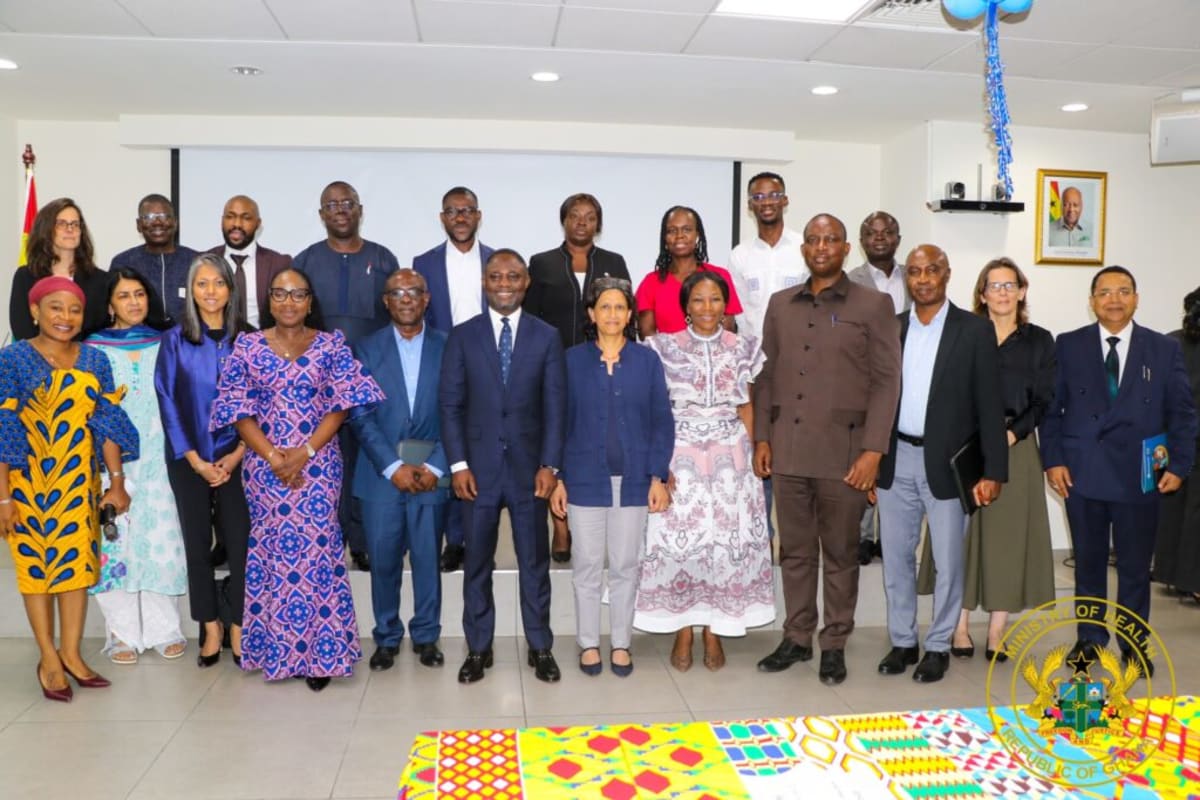
Ghana just unveiled a groundbreaking plan to strengthen its healthcare system and make quality care accessible to everyone. The National Health Compact brings together government agencies, global partners, and health workers to build a more resilient future.
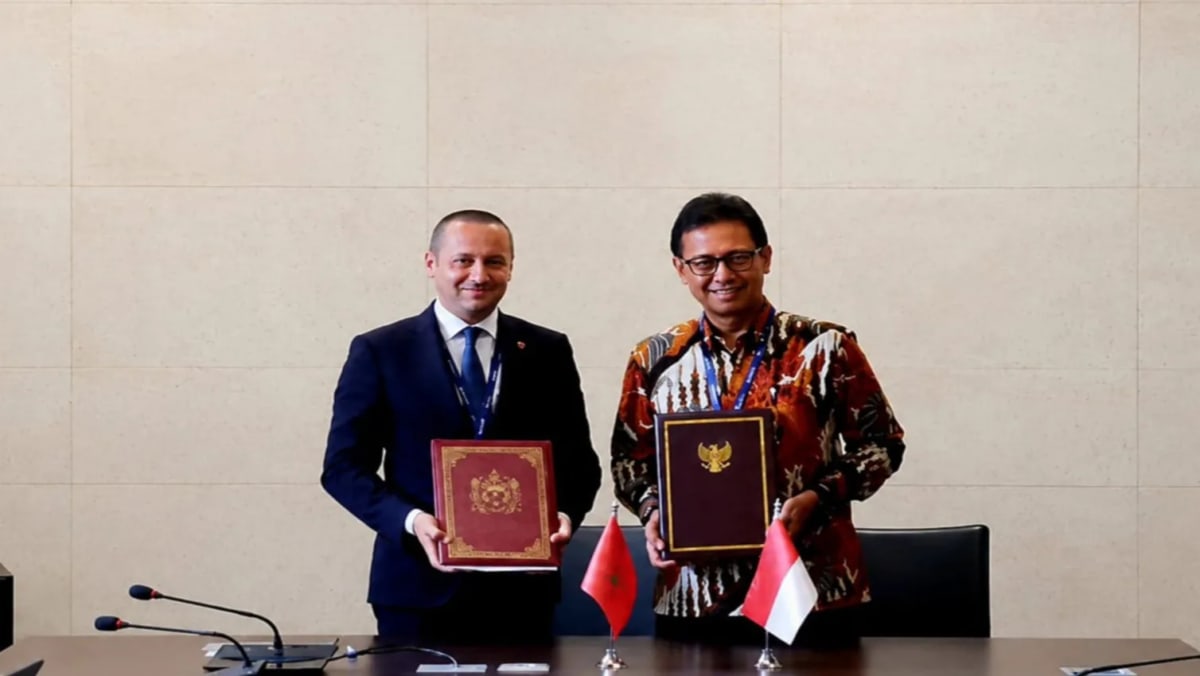
Morocco just strengthened healthcare access across three continents by signing cooperation agreements with Indonesia, Libya, and Latvia. The partnerships aim to expand universal health coverage and medical innovation for millions.
Showing 20 of 23958