13 results for "imaging"
 🌍 Planet Wins
Space Network to Stream Live Wildfire Data in Minutes
A new satellite partnership will beam down wildfire alerts and thermal imaging in near real-time, slashing response times from hours to minutes. The laser-linked network launching now could help firefighters respond faster and save more lives.
 🚀 Innovation
New Camera Tech Captures Tiny Details From Across a Room
Scientists at the University of Connecticut invented a lens-free camera system that can see details smaller than a human hair from centimeters away, solving a problem that has limited optical imaging for decades. The breakthrough could transform everything from medical diagnostics to forensic science.
 🚀 Innovation
AI Slashes Medical Device Design Time from Days to Minutes in Healthcare Breakthrough
Engineers have developed a revolutionary AI-powered system that transforms the design of medical ultrasound devices from weeks of trial and error into just minutes of precise optimization. This breakthrough promises to accelerate life-saving biomedical technology development while making it more accessible to researchers worldwide.
 🚀 Innovation
Berkeley Lab Scientists Use AI to Fill Crucial Gaps in Scientific Images
Researchers at Berkeley Lab are harnessing the power of generative AI to solve a longstanding challenge in scientific imaging. By using the same technology behind popular AI image creators, scientists can now fill in missing pieces of critical research images, opening new possibilities for discoveries across multiple fields.
 🧘 Health & Wellness
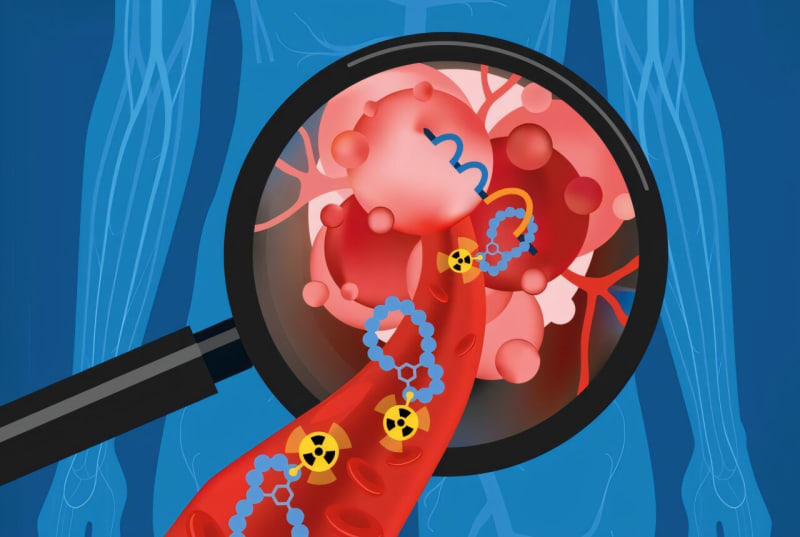
Breakthrough Imaging Tool Brings New Hope for Bladder Cancer Patients
Scientists have developed an innovative radiotracer that helps doctors identify which bladder cancer patients will benefit most from targeted therapies. The molecule, called NECT-224, has already been successfully used in its first human patient, marking an exciting milestone in personalized cancer care.
 🚀 Innovation
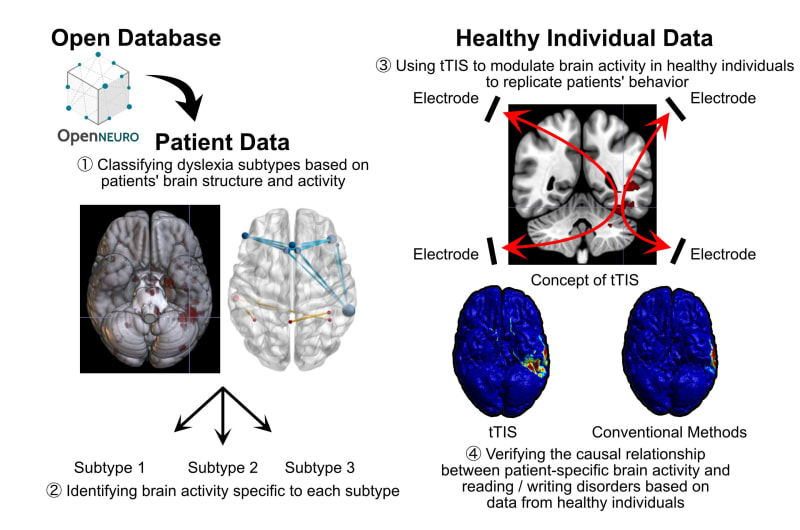
Breakthrough Research Brings Hope for Personalized Dyslexia Support
Scientists at Kyushu University have developed an innovative approach to understanding dyslexia by safely simulating its effects in healthy volunteers. This groundbreaking research could lead to personalized interventions that help millions of people with dyslexia reach their full potential through targeted, effective support.
 🚀 Innovation
Revolutionary AI Tool Brings Stress-Free Health Monitoring to Cattle Ranching
Researchers at the University of Arkansas have created CattleFever, a groundbreaking AI system that can measure cattle temperature through photos, eliminating stressful procedures. This compassionate innovation promises to transform animal welfare while helping ranchers detect illness earlier and care for their herds more effectively.
 🧘 Health & Wellness
Scientists Discover Eye's 'Spark of Vision' Opening Door to Earlier Blindness Prevention
Researchers have witnessed for the first time the magical moment when human eye cells detect light, contracting in less than a hummingbird's wingbeat. This groundbreaking discovery could revolutionize how doctors detect and prevent blinding diseases years earlier than ever before.
 🚀 Innovation
Scientists Capture Amazing 'Spark of Vision' in Breakthrough Eye Research
For the first time ever, researchers have witnessed the magical moment when our night-vision cells spring into action, capturing a tiny "twitch" that could revolutionize how we detect and treat eye diseases. This groundbreaking discovery promises earlier diagnoses and better outcomes for millions facing vision loss.
 💛 Acts of Kindness
Breakthrough Drone Technology Brings Hope for Dolphin Conservation Worldwide
Scientists at Flinders University have pioneered a gentle, stress-free way to monitor dolphin health using thermal imaging drones. This innovative approach eliminates the need for invasive procedures while providing accurate vital health information, opening new possibilities for protecting these beloved marine mammals.
 🚀 Innovation
Scientists Unlock Revolutionary Way to Pack More Power Into Light
Researchers are achieving an exciting breakthrough in quantum physics by engineering light to carry dramatically more information than ever before. This advancement promises to make our communications ultra-secure, computers incredibly faster, and medical imaging extraordinarily precise—transforming scientific curiosity into real-world benefits.
 🚀 Innovation
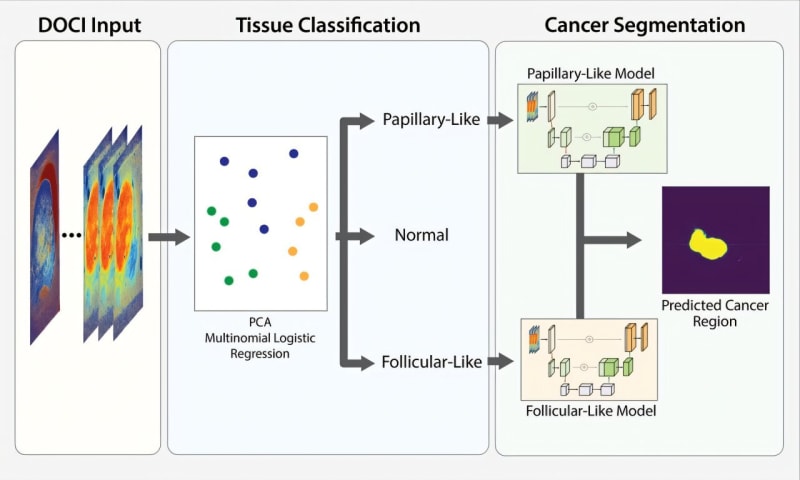
Revolutionary AI Imaging Brings New Hope to Thyroid Cancer Surgery
Scientists have developed an exciting new technology that combines artificial intelligence with light-based imaging to help surgeons identify thyroid cancer during operations with remarkable accuracy. This breakthrough could spare patients from unnecessary procedures while ensuring more precise cancer removal, marking a significant leap forward in personalized cancer care.
 🚀 Innovation
Breakthrough AI Technology Reveals Brain's Secrets with Unprecedented Clarity
Scientists at Boston College have achieved a remarkable breakthrough in brain imaging, developing an AI method that removes distortions from brain scans with triple the effectiveness of previous techniques. This exciting advance promises to unlock new discoveries about how our brains work and open doors to better understanding neurological conditions.