UT Dallas Prints Perfect Dental Crowns in 30 Minutes
Same-day permanent tooth crowns just became reality. University of Texas at Dallas researchers slashed the production time for 3D-printed zirconia dental restorations from days to just hours.
Find uplifting stories about heroes, innovations, and solutions
144 results for "medical technology"

Same-day permanent tooth crowns just became reality. University of Texas at Dallas researchers slashed the production time for 3D-printed zirconia dental restorations from days to just hours.

Scientists at MIT have developed electrically powered artificial muscle fibers that mimic how biological muscles work, bringing us closer to silent, lightweight prosthetics and robots. These breakthrough fibers bundle together just like real muscle and operate without bulky motors or noisy pumps.

After a bike accident left him guessing which exercises to do at home, Yogesh Patel built an app that pairs physiotherapists with patients through video-guided routines. VirtueLife now helps 5,000 patients complete their recovery from home in a country with just 0.59 physiotherapists per 10,000 people.

Eight-year-old Aidan drove himself to the operating room in a miniature electric car after exploring the surgery space through virtual reality. A Hong Kong hospital is transforming how children experience medical procedures by turning scary moments into playful adventures.
A Kerry student invented a keychain that could save lives by storing emergency medical information on a chip. His school just won €10,000 to bring the idea to life.
A healthcare startup born from personal struggle has saved 20,000 premature and high-risk babies across India. Nemocare is bringing life-saving neonatal care to families who previously had no access to specialized treatment.

Scientists at Brown University developed the first implant that helps paralyzed patients regain both movement and sensation. Three people with spinal cord injuries can now sense their legs moving without looking down.

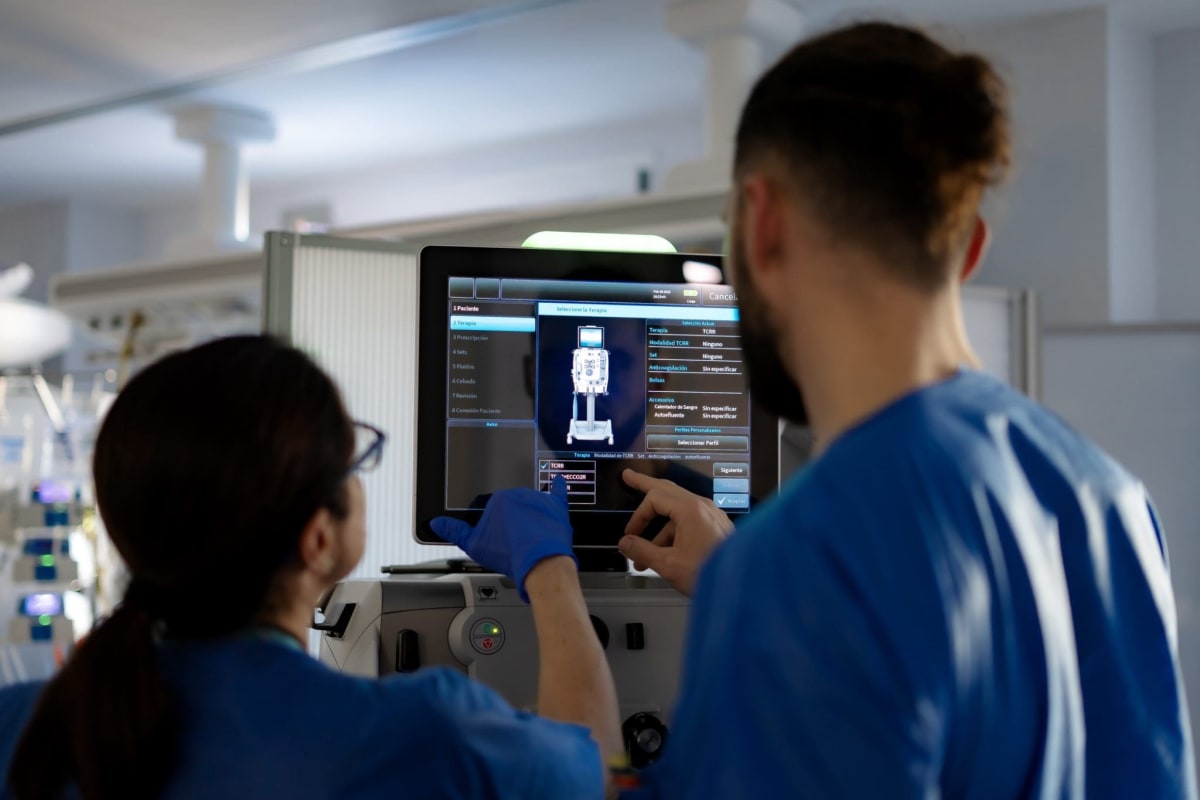
A California hospital is using AI to create detailed 3D brain scans in minutes instead of hours, giving stroke patients precious time to receive treatment. Every minute saved means millions of brain cells protected.
A journalist with zero medical training scored just as well as expert radiologists at detecting deepfake X-rays in a new study. The surprising results show both how far AI imaging has come and how humans can still spot the fakes.

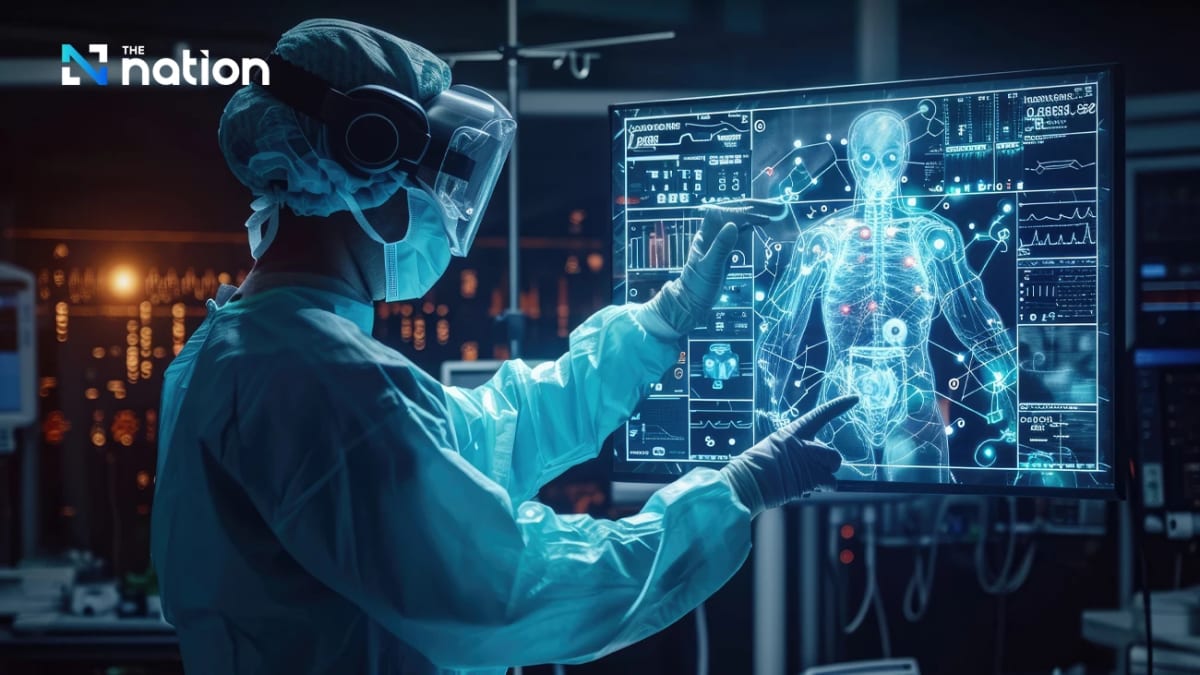
Thailand is racing to transform its healthcare system into a regional AI powerhouse, using its diverse patient data and world-class hospitals to develop breakthrough medical technologies that could serve 100 million patients within three years.

After a construction accident left Robert Woo paralyzed from the chest down, he became the world's most influential exoskeleton test pilot. For 15 years, his feedback has helped thousands of people with paralysis walk again.

A church just gave Abia State, Nigeria a cutting-edge MRI machine that will help thousands get life-saving diagnoses without traveling far from home. The donation marks a major leap forward for healthcare access in the region.

Scientists in India created flexible snake-like robots that bend through tight spaces without tangling, opening new possibilities for safer surgeries and delicate machinery repairs. The innovation solves a puzzle that's stumped engineers for years.

A New York company is building virtual copies of human bodies to solve medicine's biggest data problem. These physics-based digital twins could revolutionize how we test treatments and predict injuries.

Scientists in Italy discovered that violinists wearing lightweight robotic exoskeletons actually improved their timing and coordination with fellow musicians. The technology could soon help stroke patients and others relearn movement through therapist-guided rehabilitation.

A precision medical device that delivers hydrogen gas safely through breathing just earned Canada's top innovation recognition. The breakthrough could make experimental hydrogen therapy safer and more accessible.

Scientists built a prototype mass spectrometer that can analyze thousands of molecules simultaneously instead of one at a time. The breakthrough could revolutionize drug discovery and help researchers capture the complete molecular makeup of a single cell.
A record-breaking £2 million donation is helping cancer patients keep their hair during chemotherapy, offering emotional relief during one of life's toughest battles. Young patients like Lisa, 33, say the new scalp-cooling technology gave them back a sense of control when everything else felt uncertain.

An AI system just became the first in America to legally renew prescriptions without a doctor intermediary, treating over 300,000 patients weekly. Doctronic raised $40 million after proving AI can deliver safer, faster healthcare.

Scientists at Cornell University created a neural implant smaller than a grain of salt that can wirelessly read brain activity for over a year. The device uses light instead of wires, opening doors to safer brain monitoring for medical treatments.
Showing 20 of 144