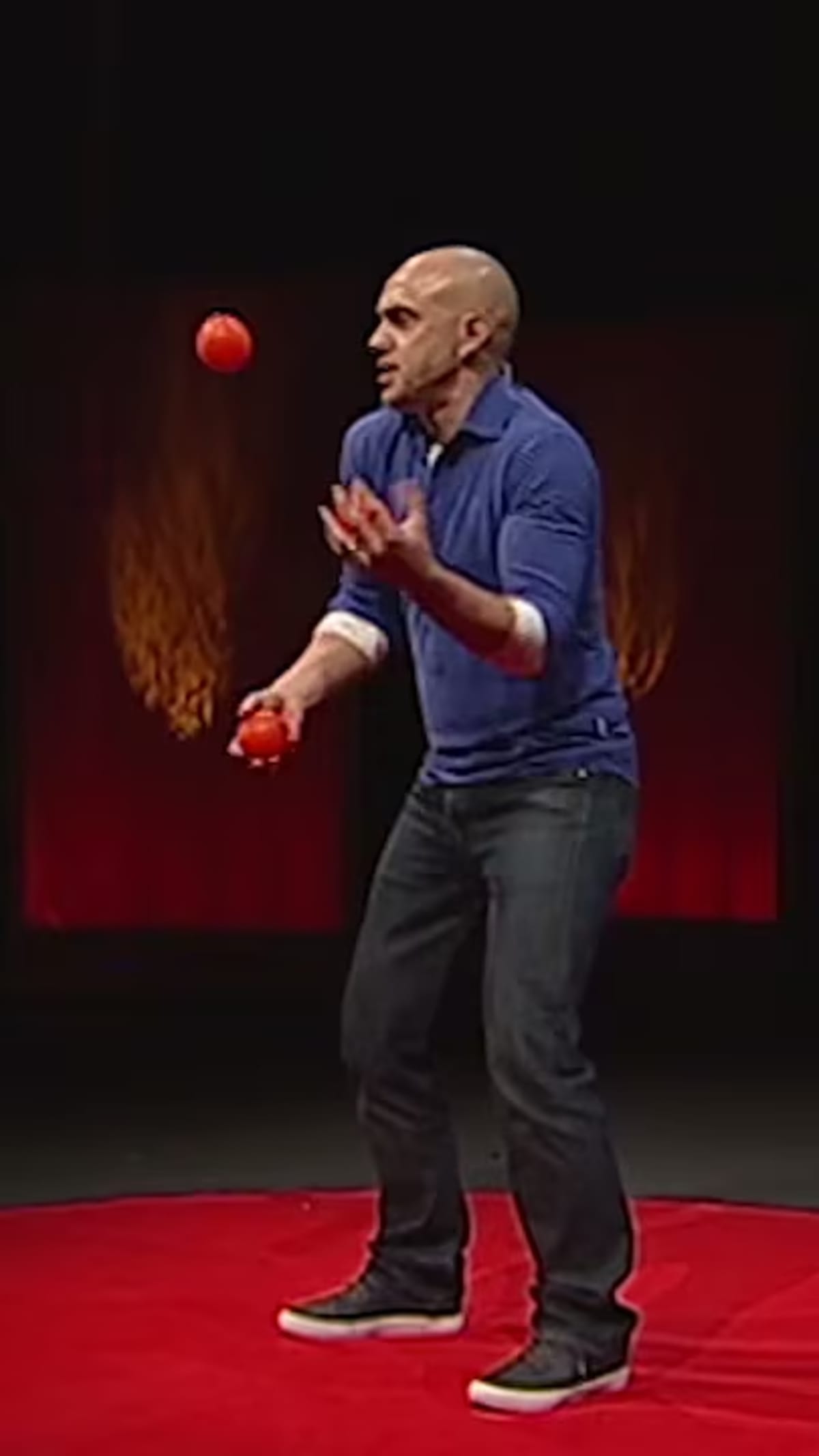
10 Minutes of Mindfulness Can Transform Your Day
Mindfulness expert Andy Puddicombe reveals how just 10 minutes of doing absolutely nothing can refresh your mind and change your life. No incense or uncomfortable positions required.
Find uplifting stories about heroes, innovations, and solutions
4506 results for "mindful drinking"
Mindfulness expert Andy Puddicombe reveals how just 10 minutes of doing absolutely nothing can refresh your mind and change your life. No incense or uncomfortable positions required.
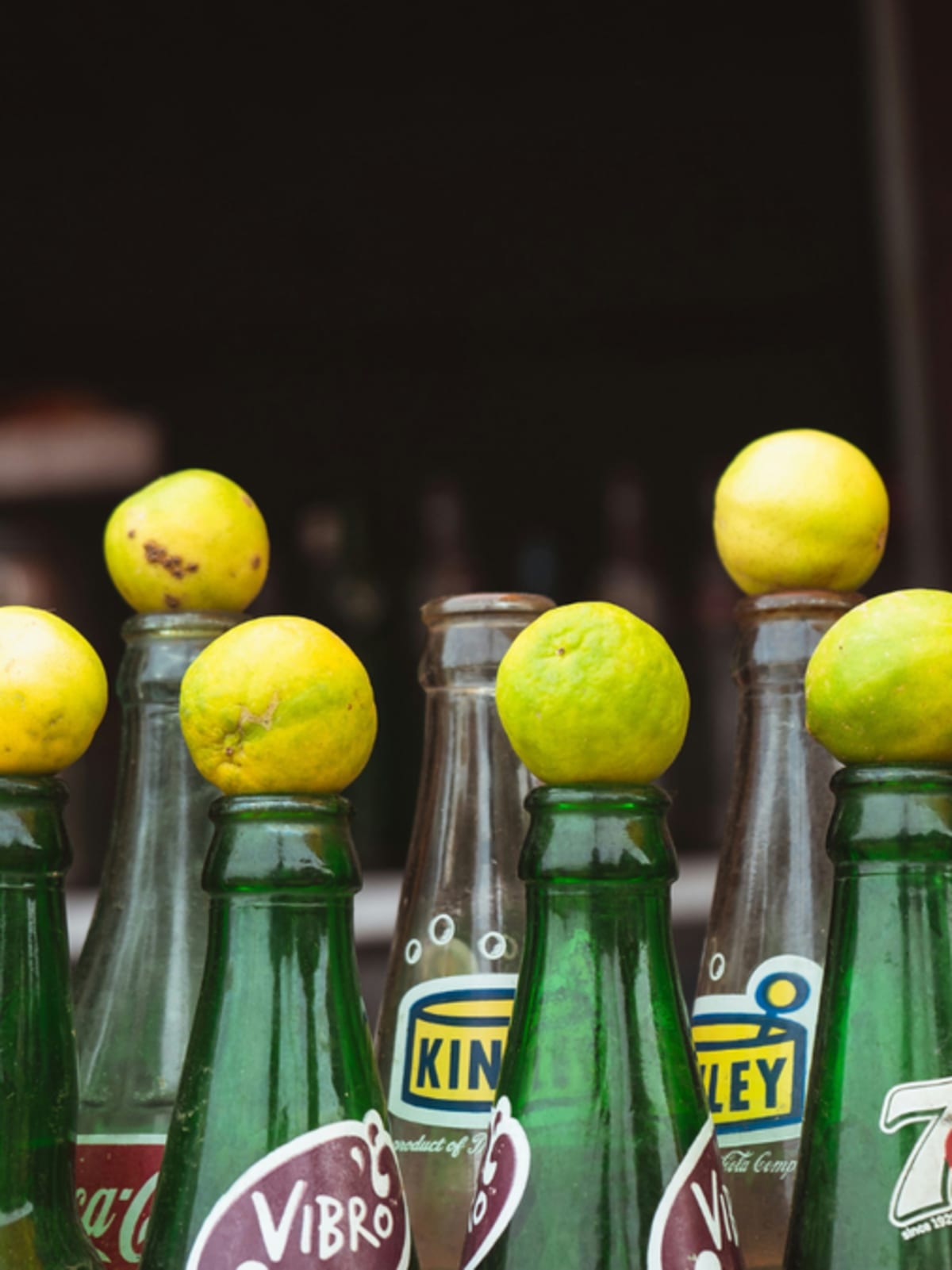
Long before refrigerators and commercial energy drinks, Indian households perfected cooling beverages that fight heatstroke and boost energy using raw mangoes, roasted chickpea flour, and medicinal fruits. These traditional drinks are making a comeback as people rediscover their powerful health benefits.

After decades of confusion, researchers are untangling why mindfulness works differently for different people. This clarity could help millions choose the right practice for their actual needs.
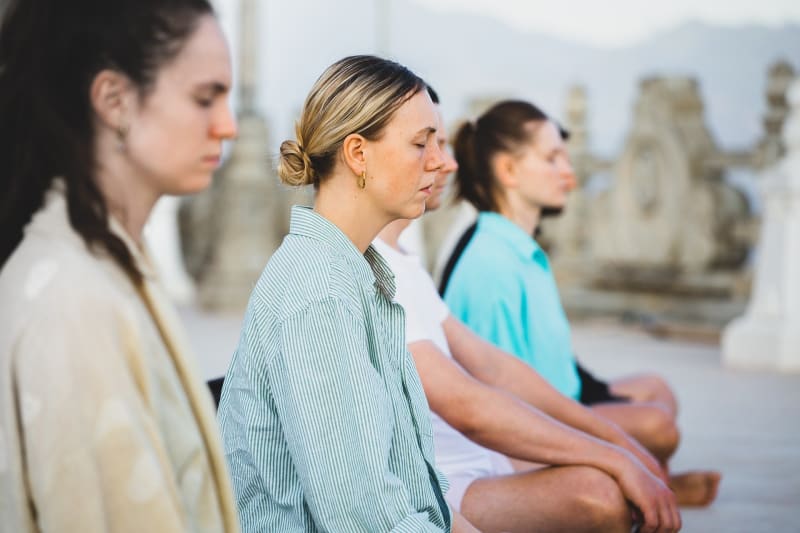
Autistic adults who joined adapted mindfulness groups reported feeling safer and better equipped to handle daily stress. The eight-week program, designed specifically for autistic participants, reduced anxiety and offered a new way to cope with life's challenges. #
A major study of over 1,200 patients shows mindfulness-based cognitive therapy doesn't worsen depression symptoms, clearing up safety concerns. The finding supports continued use of the popular treatment that helps millions avoid relapse.
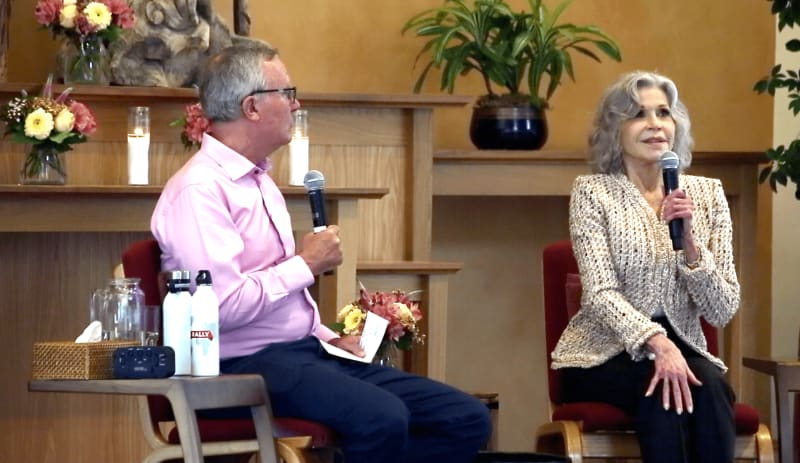
Oscar winner Jane Fonda joined climate experts at Spirit Rock Meditation Center to teach how mindfulness can fuel climate action, not escape from it. Her message: empathy and community are the tools we need to face ecological challenges with both courage and hope.
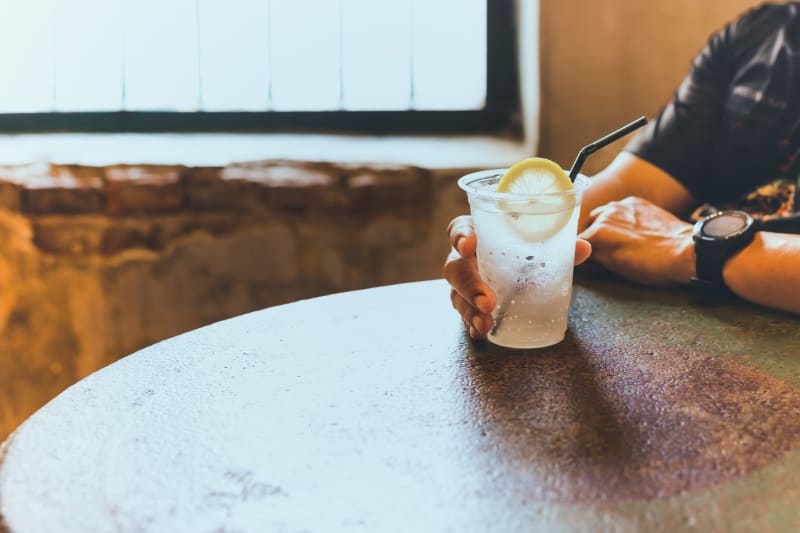
Young Americans are questioning the automatic link between alcohol and socializing, sparking a cultural shift toward mindful drinking. This growing "sober curious" movement isn't about quitting forever—it's about exploring your relationship with alcohol without pressure or judgment.
A 22-year-old former college athlete is developing stylish jewelry that warns wearers when their drinks have been drugged. The technology could help protect people in bars and social settings when it launches in 2028.
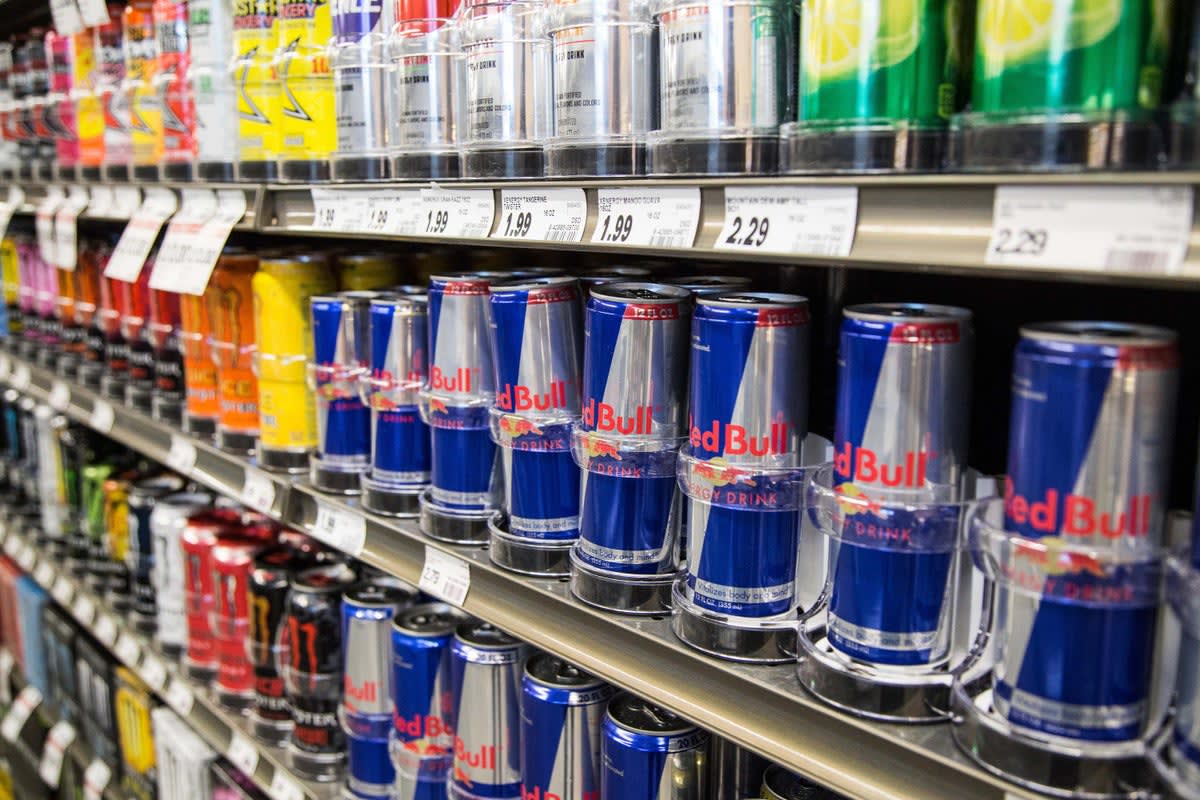
England just passed legislation banning the sale of high-caffeine energy drinks to anyone under 16, protecting around 100,000 children who currently consume them daily. The new law takes effect in April 2027 and applies to shops, vending machines, and online stores.

A new poll reveals Americans would give up 72% of their yearly income—about $57,000—to live without financial worry and feel completely secure. The findings highlight how stress over basic needs like groceries, healthcare, and job security has made peace of mind feel impossibly expensive.
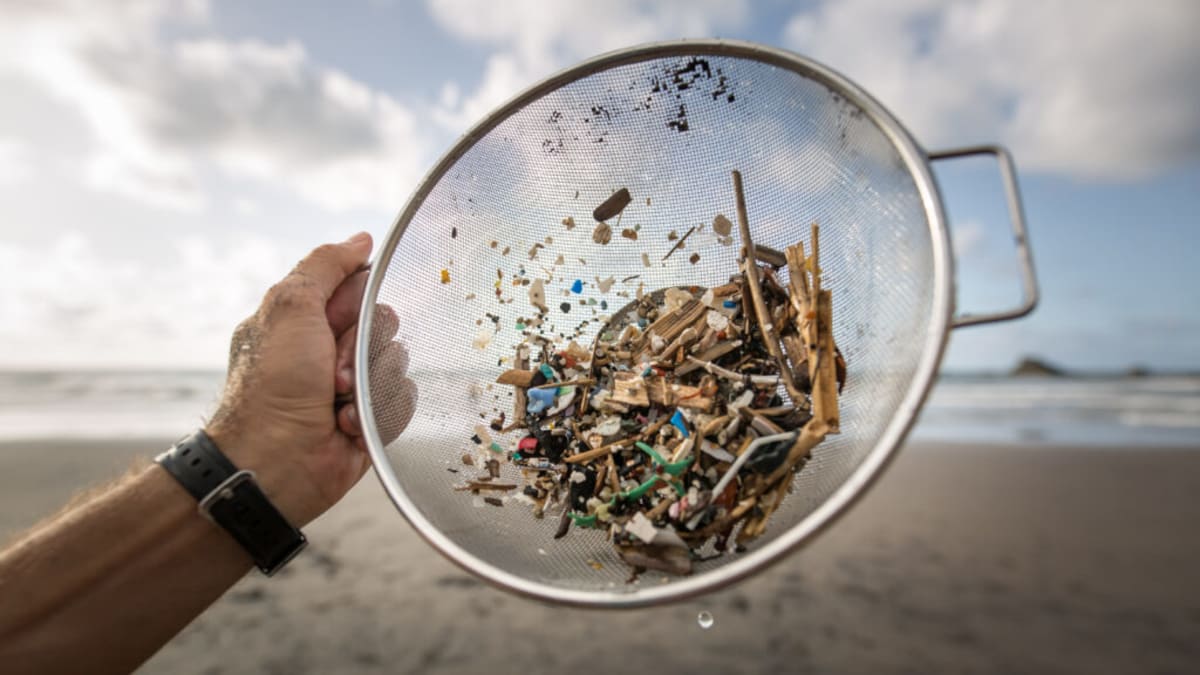
The EPA just took the first official step toward potentially regulating microplastics in America's drinking water. It's a process that could take years, but advocates say it's an important signal that the government is listening to public health concerns.
A new therapy program helped 46 college students struggling with gaming addiction regain control of their lives through mindfulness and self-care practices. One month after the program ended, participants still showed improved self-control and reduced stress.

A month-long mindful drinking challenge in New York's Mohawk Valley brought the community together while raising funds for mental health services. Local restaurants, wellness leaders, and everyday participants proved that small lifestyle changes can create big impact.
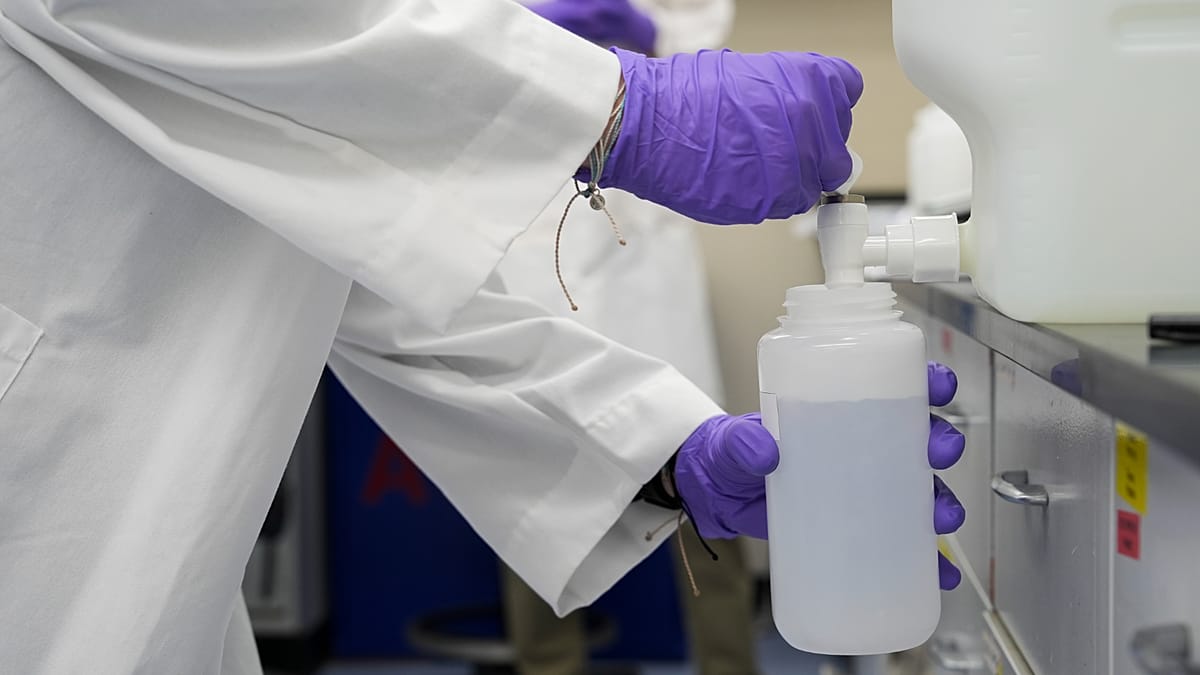
Europe just tightened safety standards for a widespread forever chemical found in drinking water, reducing the daily safe limit by 70% based on new health evidence. The move protects 450 million people from hormone-disrupting effects.

A new mindfulness program is helping prisoners in Kyrgyzstan overcome addiction stigma and reduce HIV risk without making treatment feel like punishment. Early results show the approach works better than anything tried before.

Stanford researchers discovered that asking "Can you tell me more?" makes people more open-minded during disagreements. Curiosity works better than facts when trying to change someone's mind.
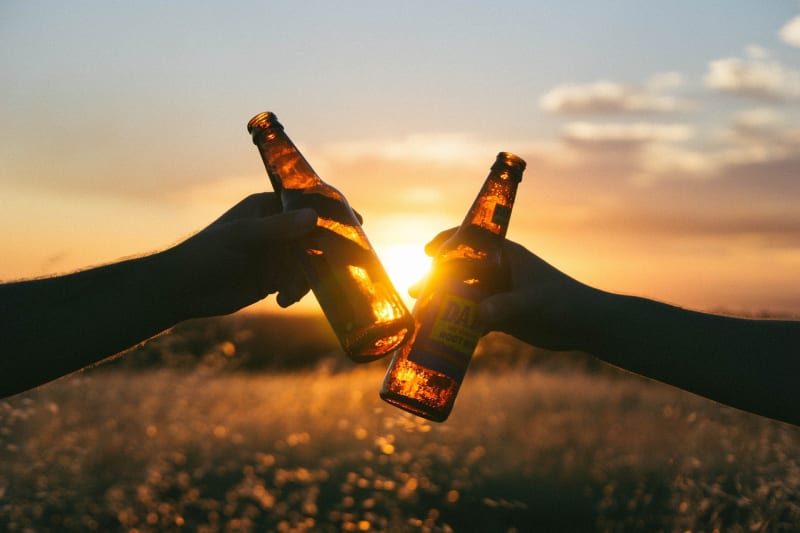
A simple workplace intervention shows real promise for reducing alcohol consumption. Japanese researchers found that giving employees just one case of nonalcoholic drinks led to measurably lower drinking for up to a month.

Yemi Osinbajo stopped drinking alcohol after witnessing colleagues hide their drinks when he walked into a restaurant. The moment of respect made him realize the influence he carried as both a Christian leader and public official.
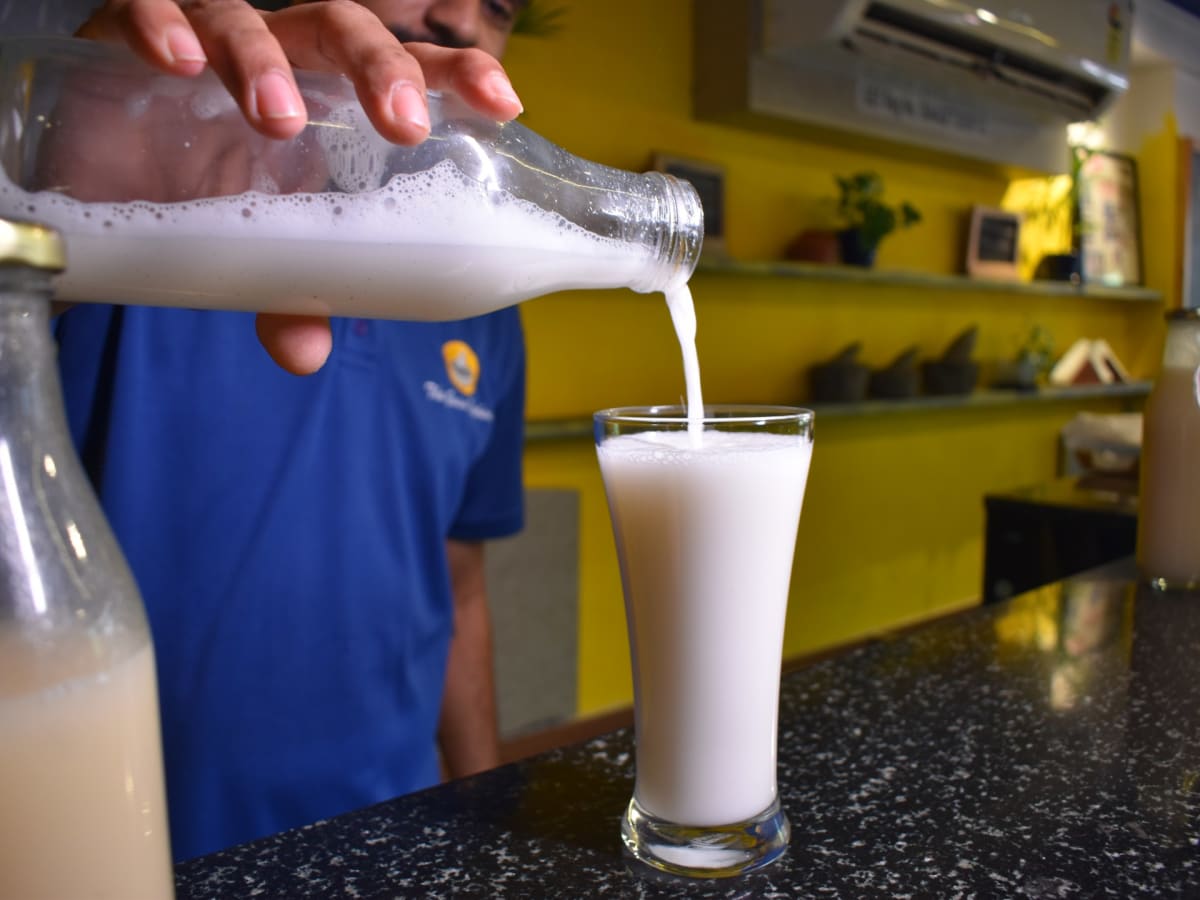
A traditional Goan almond drink called orchata, once served only in elite households, is being lovingly revived by families determined to preserve their culinary heritage. After disappearing from daily life for decades, this sweet summer drink is finding its way back into Goan kitchens through memory and tradition.
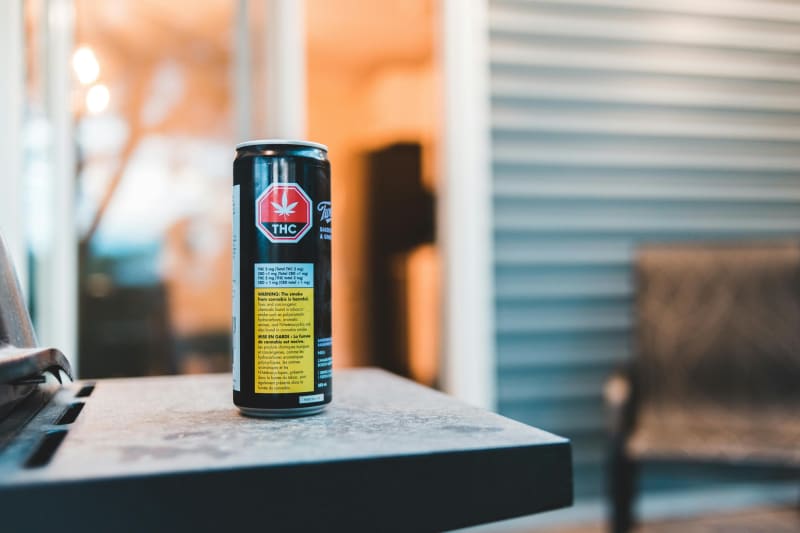
People who switched to cannabis beverages cut their alcohol consumption from 7 drinks per week to just 3, according to a first-of-its-kind study from the University at Buffalo. The research offers fresh hope for anyone looking to reduce drinking without going cold turkey.
Showing 20 of 4506