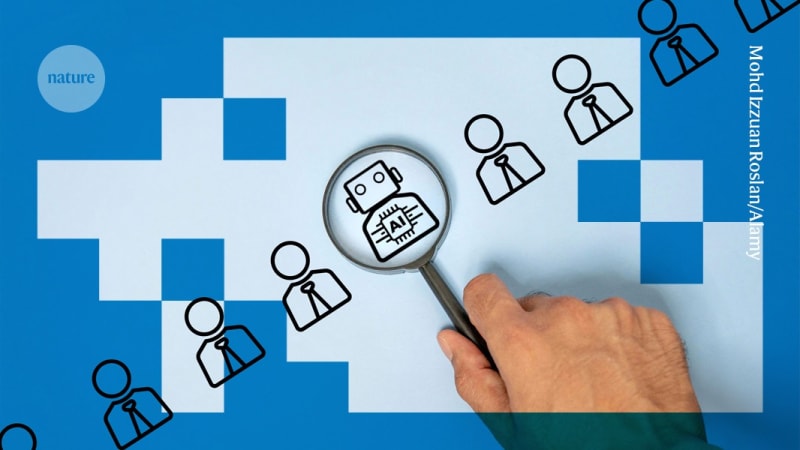
AI Coach Makes Peer Reviews 30% More Constructive
Stanford researchers created an AI system that helps scientists write better, kinder peer reviews. The tool analyzed 20,000 reviews and helped reviewers be more specific and professional.
Find uplifting stories about heroes, innovations, and solutions
4063 results for "peer review"
Stanford researchers created an AI system that helps scientists write better, kinder peer reviews. The tool analyzed 20,000 reviews and helped reviewers be more specific and professional.

Scientists who share their peer review reports publicly see their papers retracted less often, new research shows. The finding suggests transparency might be a powerful indicator of research quality.

An artificial intelligence called The AI Scientist just became the first AI to write and publish a complete research paper that passed human peer review in Nature. The breakthrough suggests scientific discovery could soon scale as fast as software development.
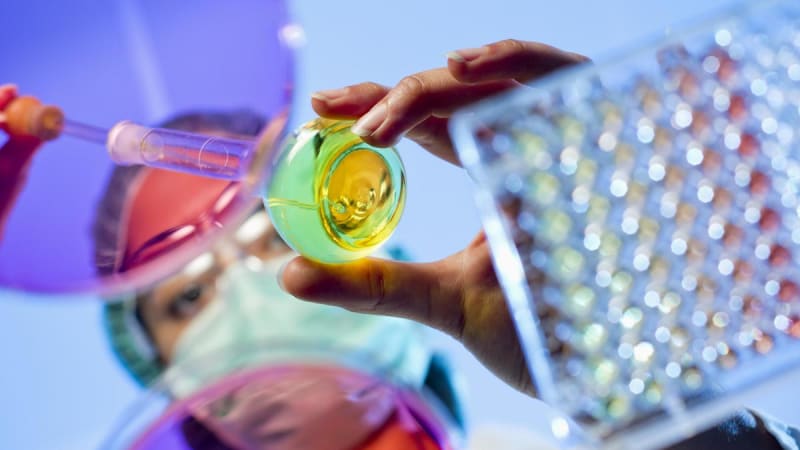
A groundbreaking analysis of 36.5 million scientific articles reveals that research by women waits up to 15% longer in peer review than work by men, finally giving scientists hard data to address publishing disparities. The findings point to a fixable problem in how scientific knowledge reaches the world.

A computer wrote a complete scientific paper from scratch and got it accepted at a major research conference, marking the first time artificial intelligence has handled the entire scientific process. While the paper was admittedly mediocre, it took just 15 hours and $140 to produce what takes graduate students months.

An AI system named Carl got three research papers accepted at a scientific conference without reviewers knowing it wasn't human. New AI tools are helping scientists discover drugs, predict protein structures, and accelerate research while sparking important conversations about the future of scientific discovery.

An AI system named Carl got three research papers accepted at a major science conference without reviewers realizing a machine wrote them. This breakthrough suggests AI could soon help human researchers accelerate discoveries in medicine, materials science, and beyond.

Australia's government has launched a rapid review of its aged care assessment system after families reported delays in receiving support. The three-month review will examine how the algorithm prioritizes cases.

When angry internet users flooded a Singapore restaurant with one-star reviews over a $1.57 water fee, something unexpected happened. Sympathetic diners fought back with five-star reviews, turning an online mob into a debate about fairness.

Travel platform Klook analyzed 374,000 verified reviews and discovered something wonderful: lesser-known destinations create richer, more emotional connections than famous tourist hotspots. The reviews reveal travelers tell vivid stories about hidden gems, reflecting on meaningful moments that stay with them long after returning home.
A major machine learning conference used hidden watermarks to catch researchers using AI to write peer reviews, leading to nearly 500 paper rejections. The bold move shows how academic communities are fighting to preserve trust in the age of AI.

A simple "bring a friend" program in rural India is helping women gain control over their family planning decisions. By offering vouchers to attend clinics with female peers, the initiative reduces stigma and empowers reproductive choices.

Jermaine J. Williams went public with his recovery story six months into sobriety, sparking a movement that now helps thousands believe healing is possible. His documentary and peer support work prove that lived experience can change entire communities.

A Georgia man named Joe turned fast food reviews into Hollywood-quality productions, and the internet can't get enough. His KFC popcorn chicken video just hit nearly nine million views.
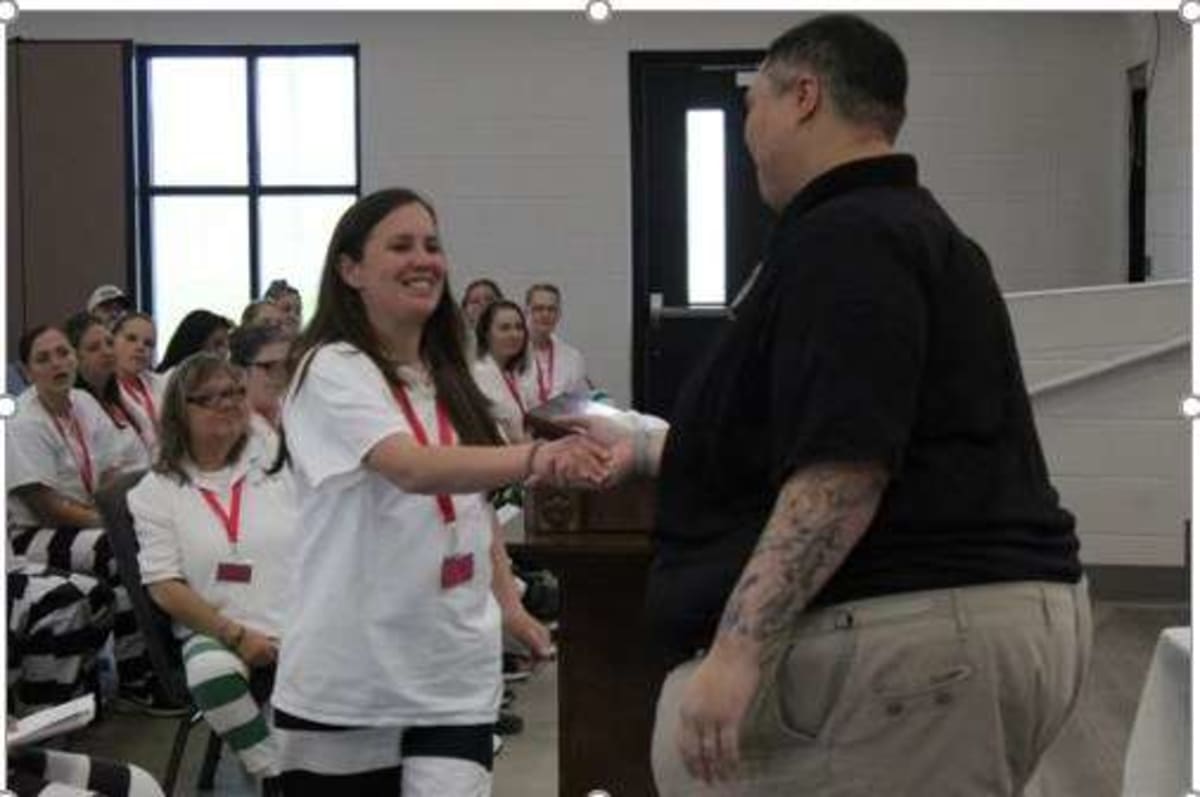
Twenty-three women at Mississippi Correctional Institute for Women just completed The Haven, a recovery program created by incarcerated women for incarcerated women. The peer-led initiative tackles addiction, unhealthy relationships, and personal accountability through structured support and shared living.

In northern KwaZulu-Natal, young community members are helping deliver a groundbreaking twice-yearly HIV prevention injection that showed nearly 100% effectiveness in trials. The peer-led approach is breaking down barriers in communities where HIV rates remain high. #

A software company replaced human code reviewers with AI and discovered something surprising: their developers didn't just accept the change, they now can't imagine working without it. The technology is saving money, catching security flaws, and making developers more productive.
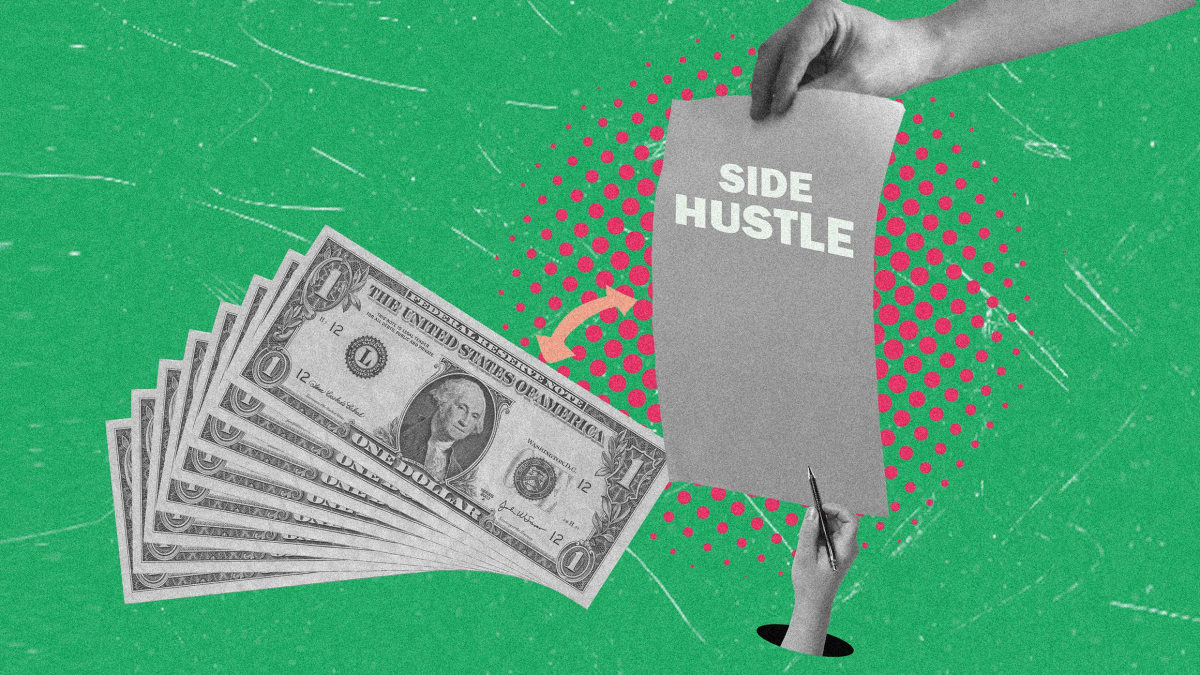
A new breed of content creators is testing viral money-making schemes before you waste time or cash on them. These "side hustle reviewers" try everything from flipping phones to print-on-demand T-shirts, then share what actually works.

Australia is overhauling its surrogacy laws after thousands of families faced barriers to starting their journeys. The nationwide review could make surrogacy more accessible while protecting everyone involved.
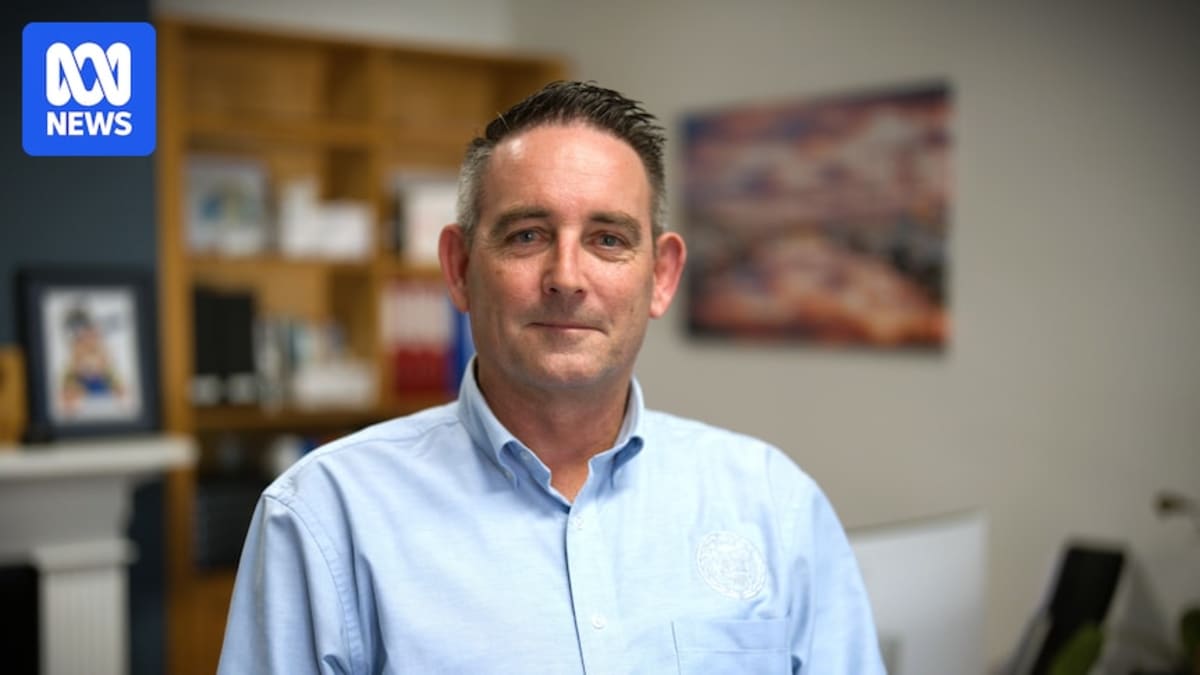
A new review shows Tasmania Police handling 40,000 more calls per year than a decade ago, but the solution isn't just more officers. The state is investing in early intervention programs to prevent crises before they require police response.
Showing 20 of 4063