Stanford Creates Water Calculator for Greener Companies
A new tool helps companies measure their real water impact and find the best ways to improve it. The index could end the confusion around corporate water use reporting.
Find uplifting stories about heroes, innovations, and solutions
9 results for "stanford university"

A new tool helps companies measure their real water impact and find the best ways to improve it. The index could end the confusion around corporate water use reporting.

Stanford researchers created an AI system that helps scientists write better, kinder peer reviews. The tool analyzed 20,000 reviews and helped reviewers be more specific and professional.

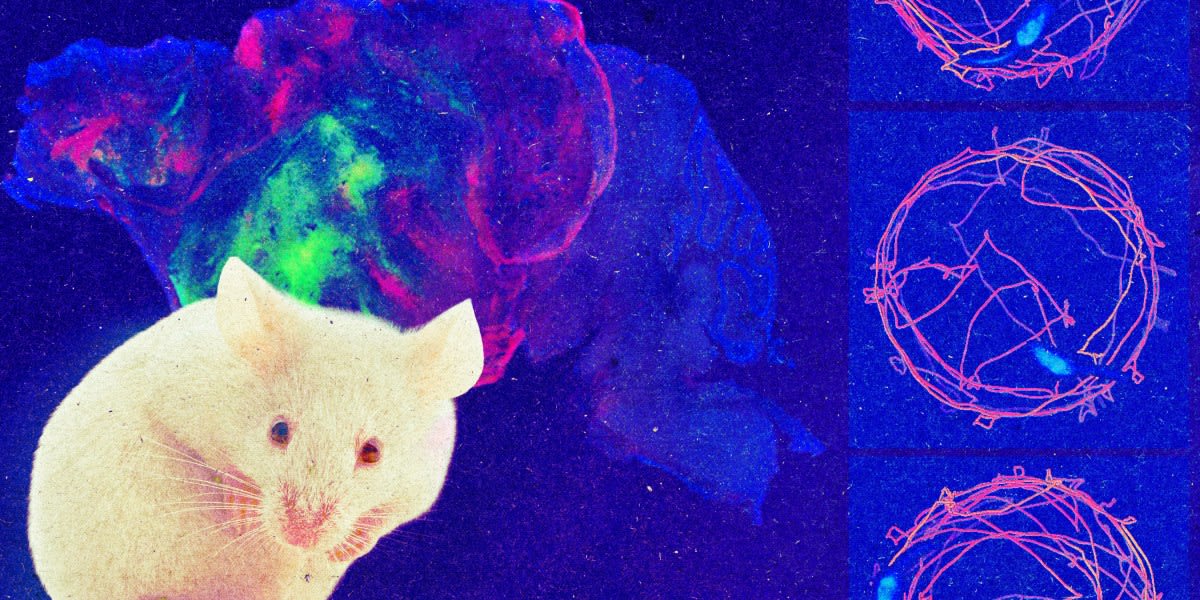
Scientists developed a nasal spray vaccine that protected mice from COVID, flu, bacteria, and even allergens for months. Unlike typical vaccines, it activates the body's first-line defense system to fight multiple threats at once.

Stanford researchers created the first global map of rare earthquakes that happen deep in Earth's mantle, not just the crust. The breakthrough could unlock secrets about how all earthquakes begin.

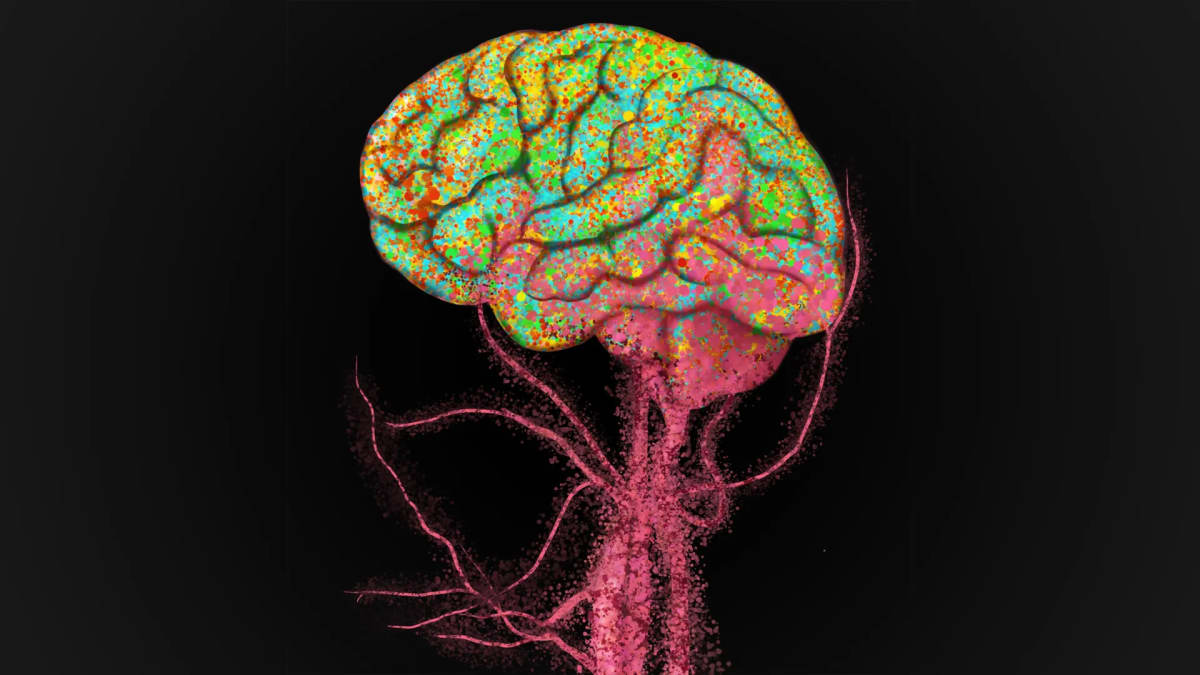
Stanford researchers discovered that brain activity can forecast which animal images will get people to donate to conservation causes. The breakthrough could help environmental groups create more effective campaigns that save wildlife.

Nigeria is closing the gap between scientific research and real healthcare through a new partnership with Stanford University. African scientists are getting hands-on training to transform their laboratory breakthroughs into treatments that reach patients.

Scientists at Stanford just solved one of quantum computing's biggest scaling problems with tiny light traps that read multiple qubits at once. This breakthrough could finally make quantum supercomputers with millions of qubits a reality.

Stanford University and the family of soccer star Katie Meyer reached a settlement that will create a lasting legacy in her name. The agreement brings positive change to how universities support students facing disciplinary proceedings.

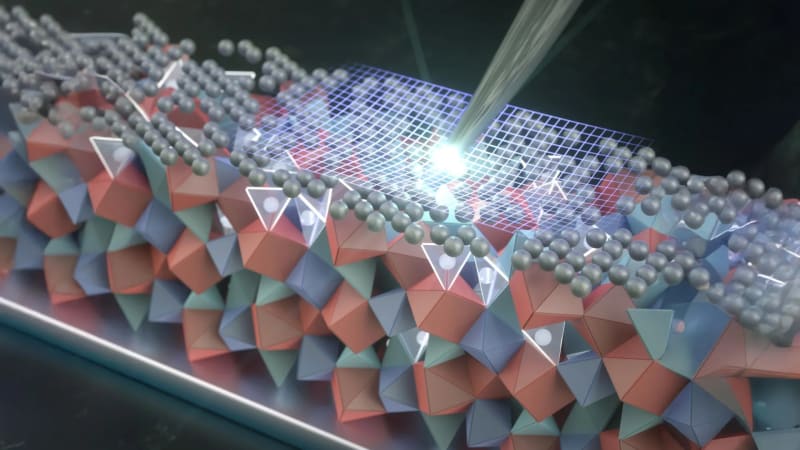
Stanford researchers cracked the code on solid-state batteries by coating them with silver thinner than a human hair. This simple treatment could finally unlock batteries that charge faster, last longer, and never catch fire.