
5 Countries Where Work Doesn't Consume Your Whole Life
Imagine legally ignoring your boss after work hours or taking 480 days of paid parental leave. Five countries prove you don't need burnout to be productive.
Find uplifting stories about heroes, innovations, and solutions
40952 results for "work-life integration"
Imagine legally ignoring your boss after work hours or taking 480 days of paid parental leave. Five countries prove you don't need burnout to be productive.
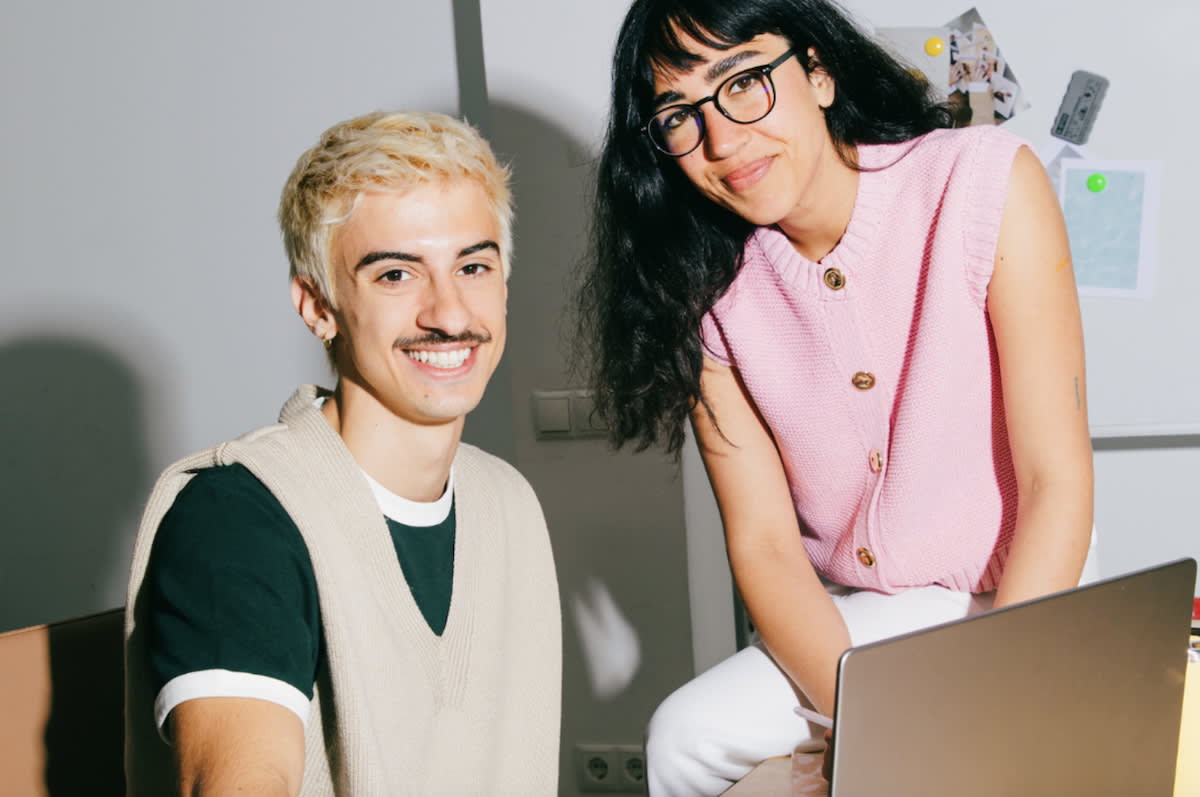
A new generation is rejecting burnout culture and rewriting success. Their "career minimalism" approach puts living first, working second.
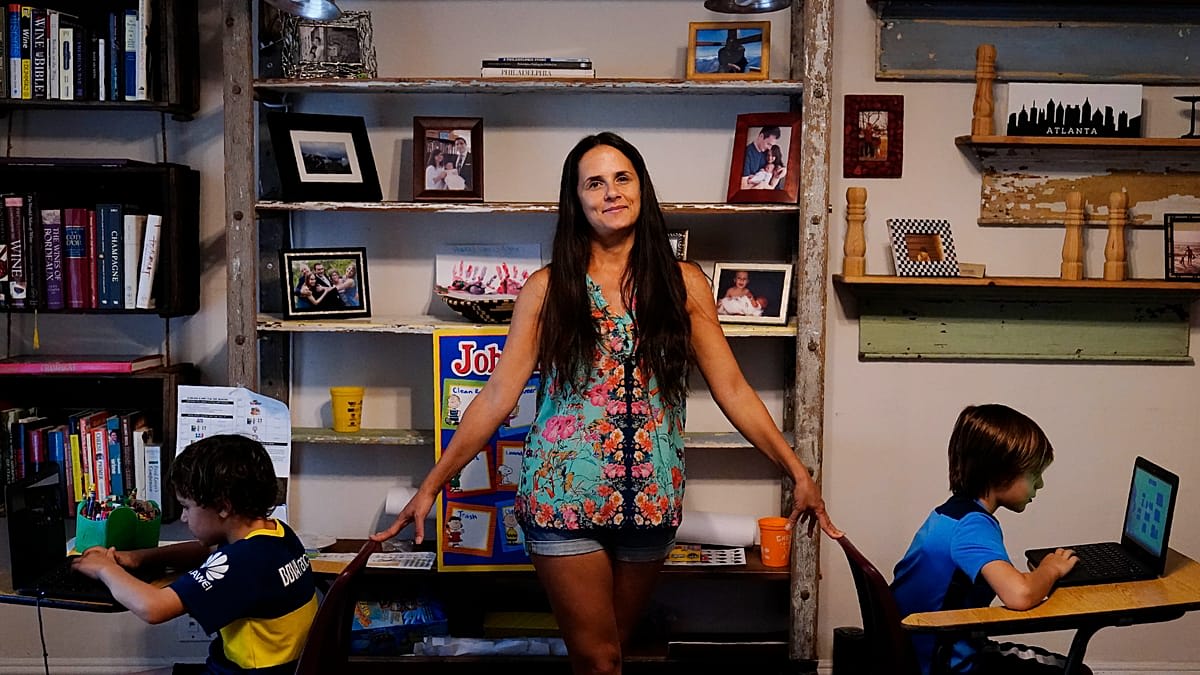
Couples who work from home at least one day a week have more children than those who don't, according to new research across 38 countries. The findings suggest flexible work could help families balance careers and parenthood.
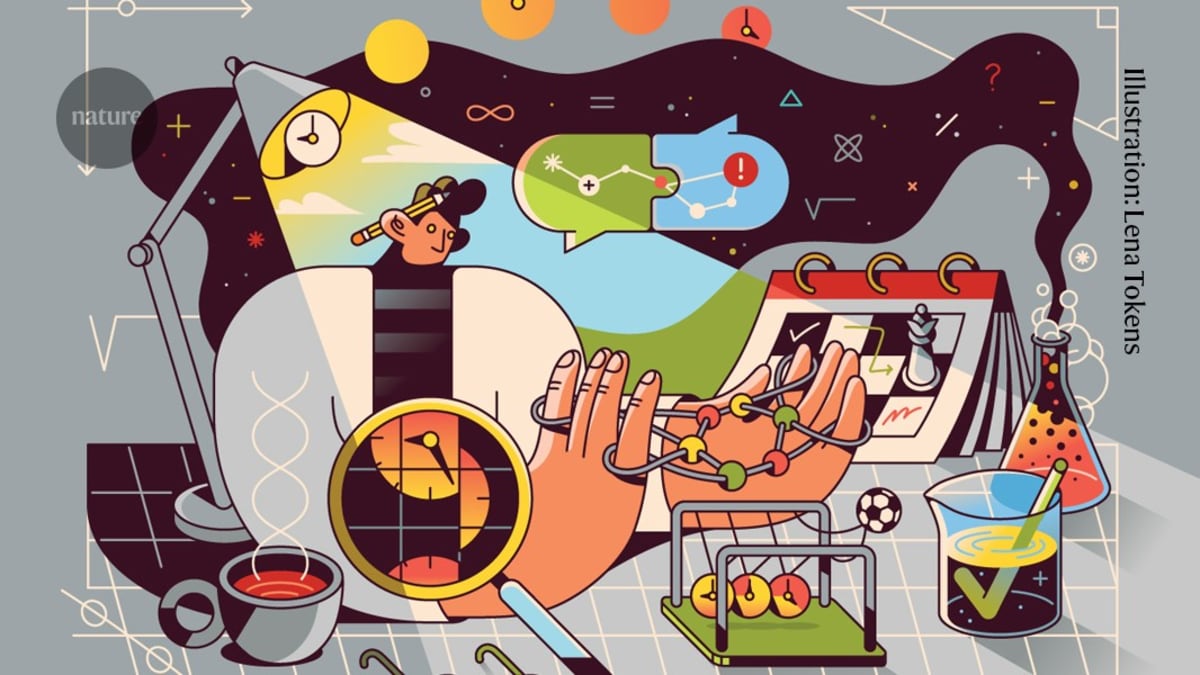
Thirteen doctoral candidates are breaking the burnout culture by completing rigorous PhDs in 40 hours per week or less. Their success proves academia doesn't have to mean sacrificing your life.

The pandemic shift to working from home has found its sweet spot, with over 13% of Americans now working primarily remotely. That's more than double pre-COVID levels, signaling a permanent transformation in how we work.

A groundbreaking Australian study reveals the exact strategies that make managers say yes to remote work requests. The best news? Parents and non-parents have equal chances when they frame their pitch correctly.
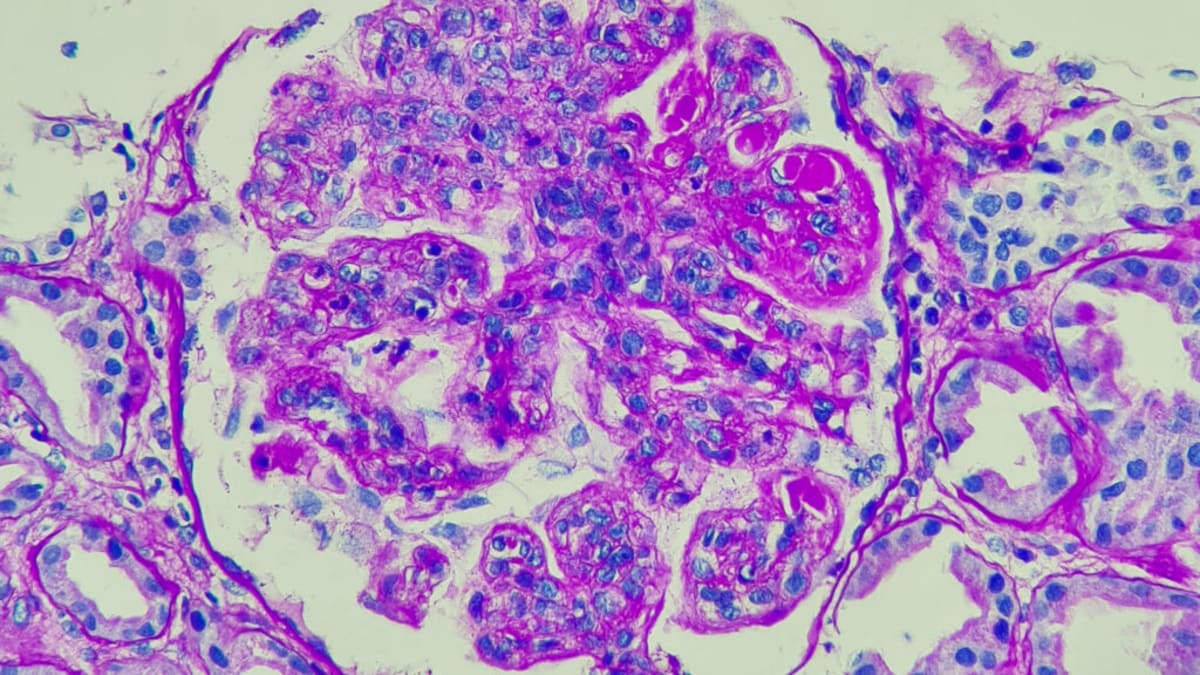
A young woman dying from lupus became the first autoimmune patient treated with CAR-T cell therapy five years ago. She's now in complete remission and working at the very clinic where doctors saved her life.

A regional Australian council wants to give employees Fridays off without cutting pay or hours, potentially saving $1 million while improving work-life balance. The Murrumbidgee Council believes the compressed schedule could help recruit staff and boost productivity in rural areas.
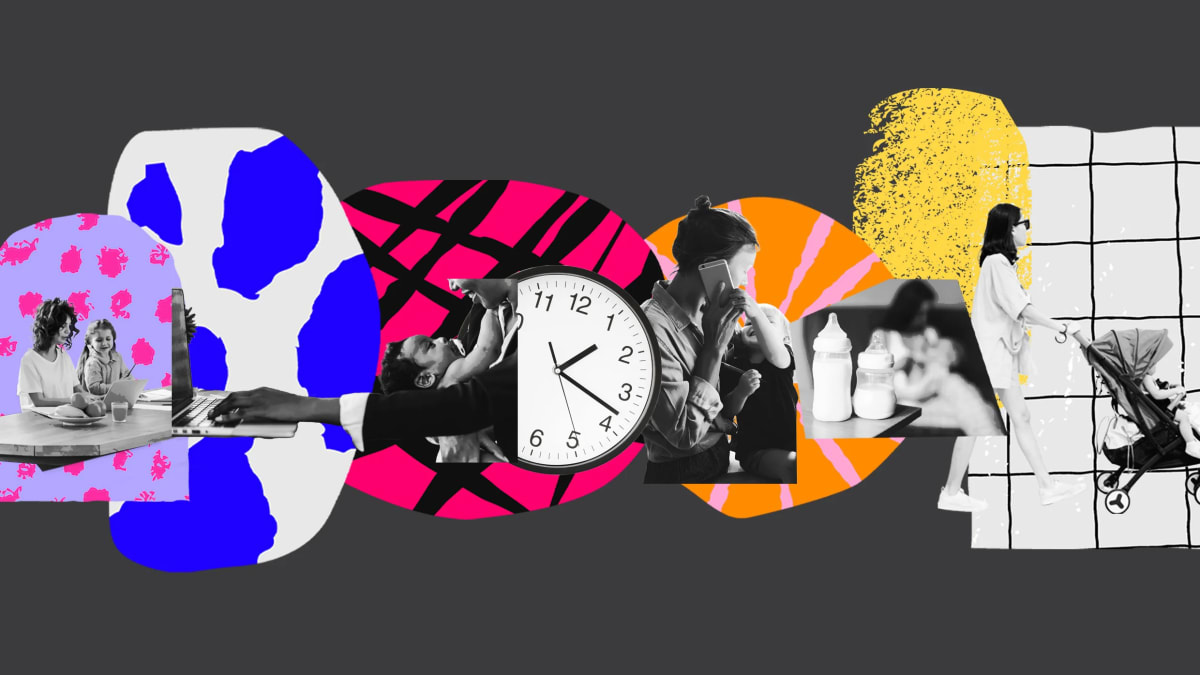
Over 100 senior-level working mothers opened up about balancing careers and caregiving, and their honest stories reveal both struggle and resilience. Their creative solutions and fierce determination show how women are adapting to make it work, even when systems aren't supporting them.
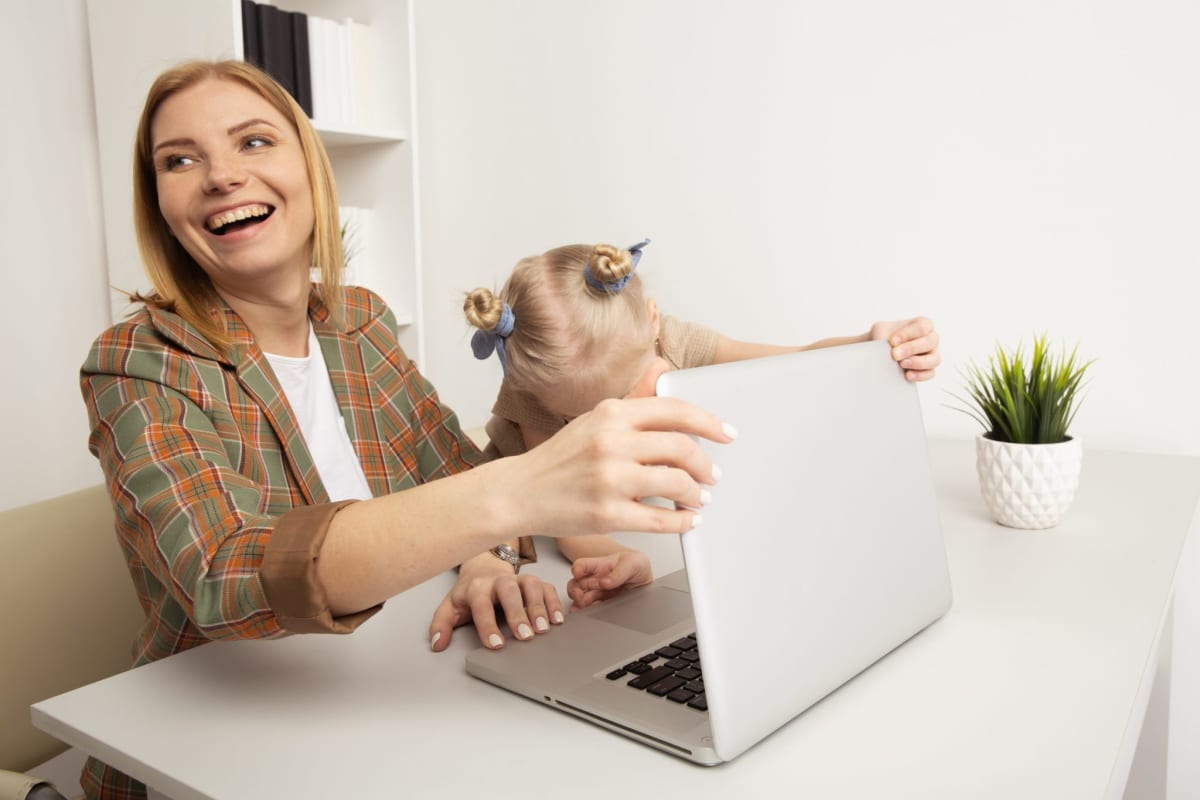
Working from home is solving a problem governments spent billions trying to fix: falling birth rates. A 40-country study shows remote work is quietly fueling a baby boom, with couples gaining time and flexibility to start families.
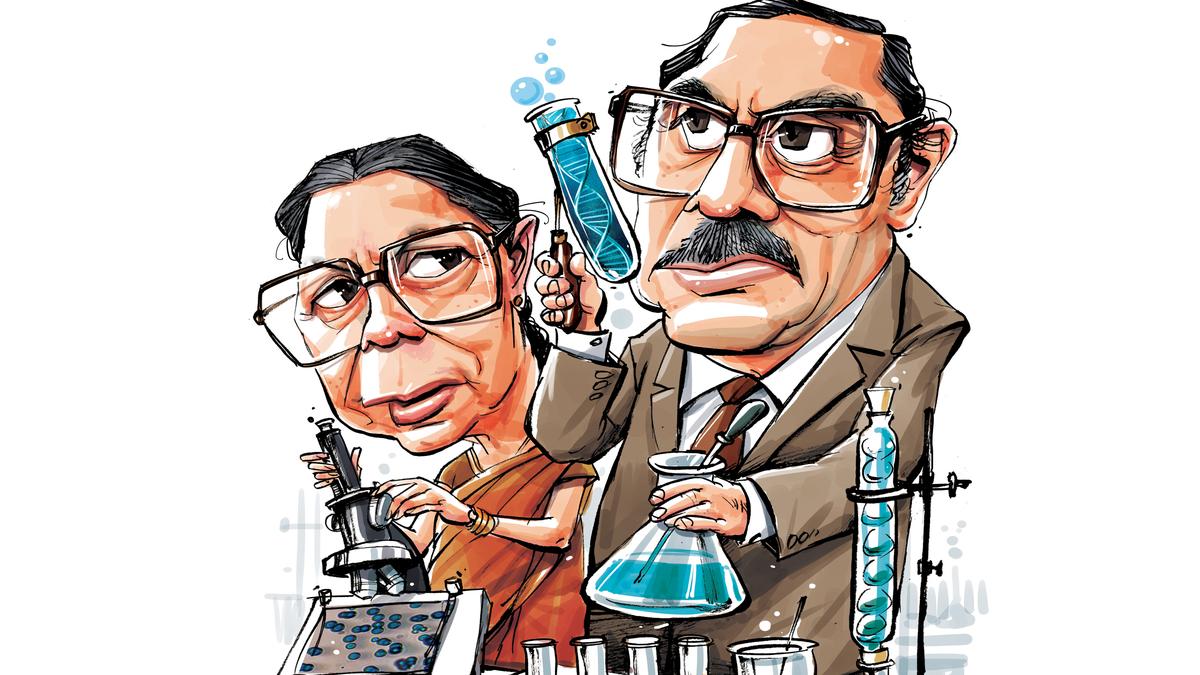
A PhD student in India just recreated mysterious blue spheres that could explain how life began on Earth, reviving the forgotten work of a husband-wife chemistry team from the 1960s. Their groundbreaking discovery might change what we look for when searching for life on other planets.
The future of remote work isn't just your home office. It's a beach in Bali, a café in Paris, or wherever inspiration strikes you.

A corporate lawyer sold her Sydney apartment and chose to live in a van instead, proving financial freedom doesn't always mean owning property. She's part of a growing wave of high-earning professionals rejecting traditional housing for life on the road.

NASA scientists discovered that Earth's earliest life forms relied on molybdenum over 3 billion years ago, even though the metal was incredibly scarce. This finding rewrites what we know about how life adapts and what alien worlds might need to support it.
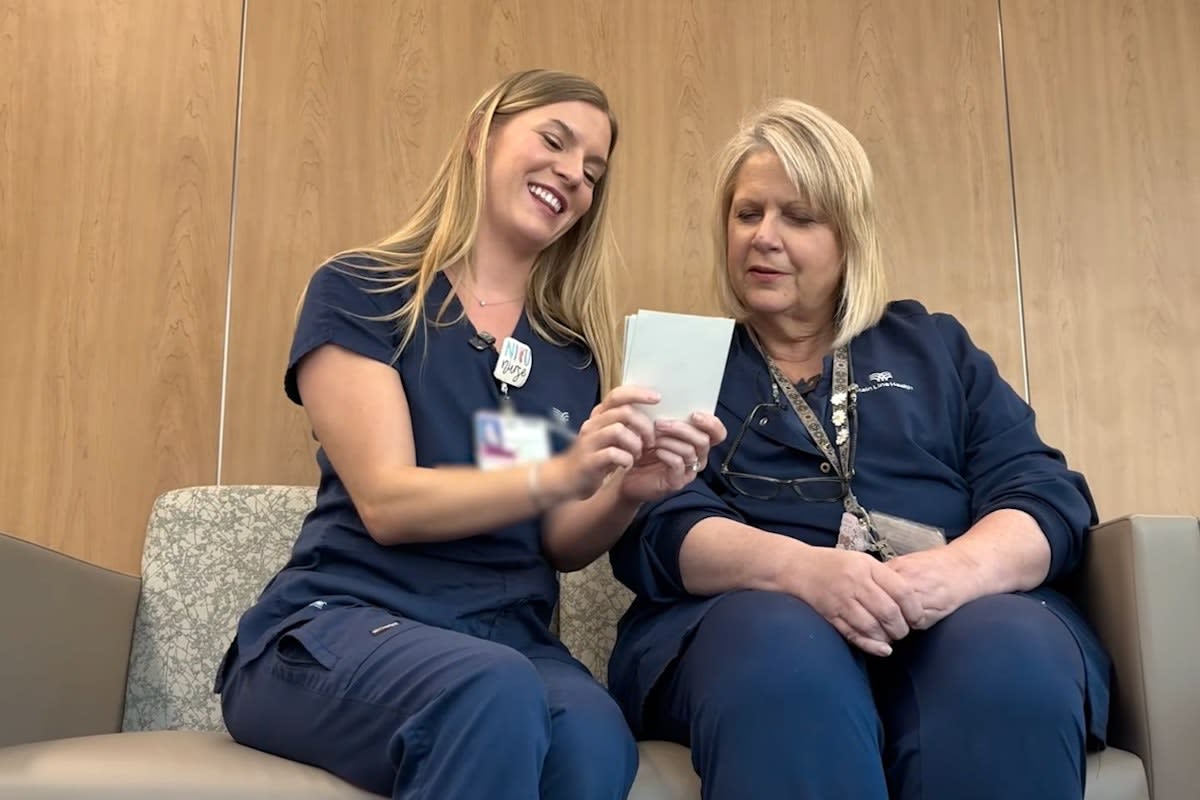
A neonatal nurse is caring for premature babies in the exact same hospital unit where doctors saved her life decades ago. Her journey from tiny patient to skilled caregiver shows how one moment of medical care can ripple forward for generations.

Five MIT alumni and faculty just won prestigious Breakthrough Prizes for discoveries ranging from curing sickle cell disease to mapping the universe. Their groundbreaking work proves that big scientific wins are happening right now.

Researchers discovered that life leaves a unique statistical fingerprint in organic molecules, offering a powerful new way to detect alien organisms on distant worlds. The method works by analyzing patterns in how molecules are organized, not just which molecules are present.
Researchers discovered that life leaves a unique statistical fingerprint in organic molecules, offering a new way to detect alien life without looking for specific compounds. The breakthrough could transform how we search for life on distant worlds.
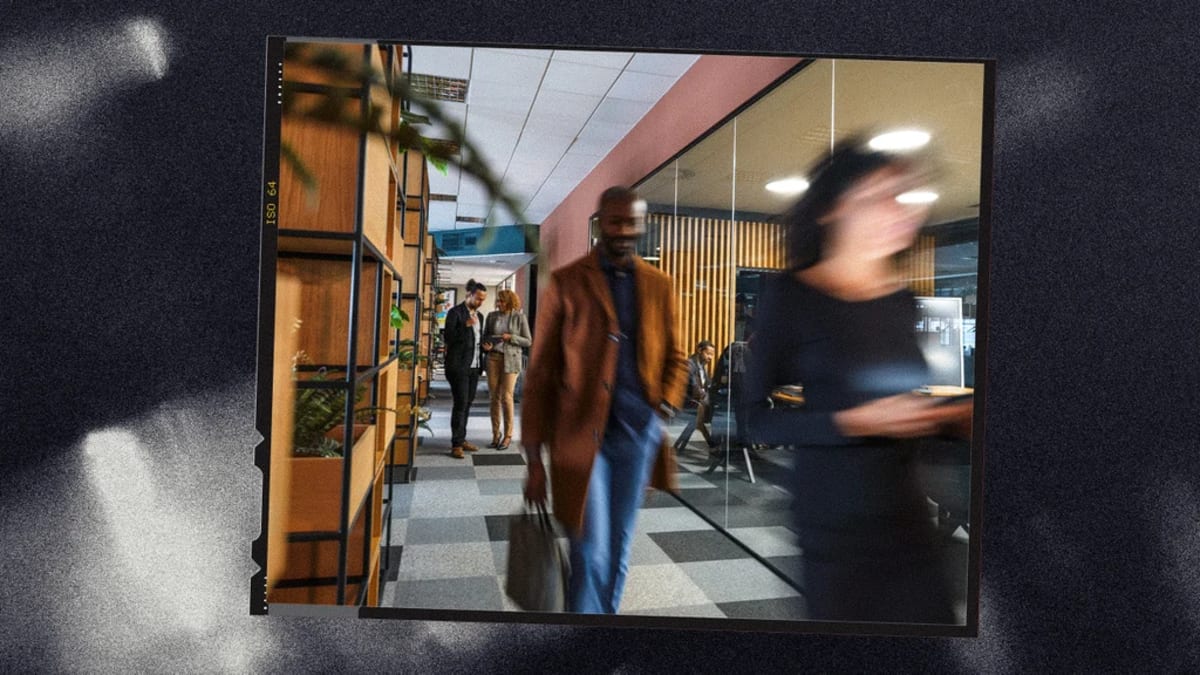
Young professionals are choosing office work over remote options, citing better quality of life and career growth. Companies are responding by transforming offices into valuable spaces rather than mandatory obligations.
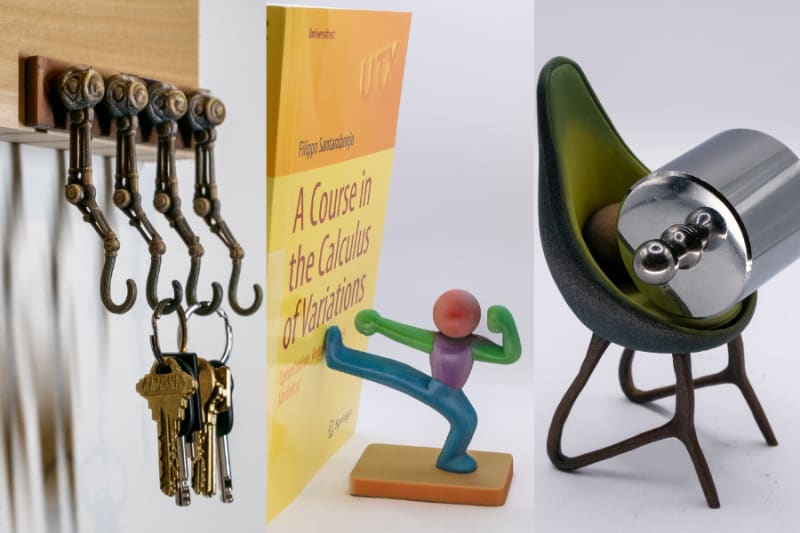
MIT researchers created a system that fixes AI's biggest design flaw: making things that look cool but fall apart when you actually use them. Now anyone can type what they want to create and get a working 3D-printed object in 30 seconds.
Showing 20 of 40952