Scientists Find Hidden Pattern That Could Reveal Alien Life
Researchers discovered that life leaves a unique statistical fingerprint in organic molecules, offering a new way to detect alien life without looking for specific compounds. The breakthrough could transform how we search for life on distant worlds.
Scientists may have just cracked open a new window in the search for life beyond Earth. Instead of hunting for specific molecules, researchers at UC Riverside discovered that living systems leave behind a telltale pattern in how their chemistry is organized.
The breakthrough centers on something surprisingly simple: statistics. Living organisms produce amino acids that are more varied and evenly distributed than those formed by non-living processes, while fatty acids show the opposite trend.
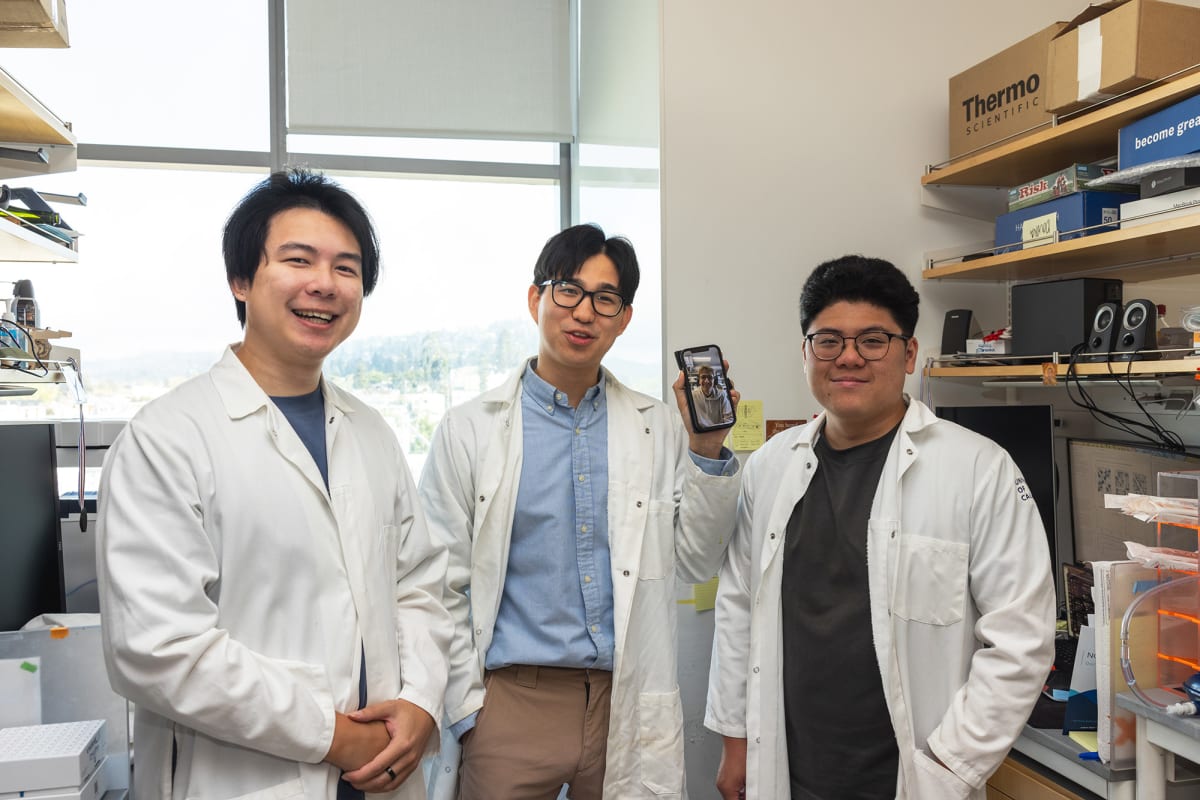
"We're showing that life does not only produce molecules," said Fabian Klenner, UC Riverside assistant professor of planetary sciences. "Life also produces an organizational principle that we can see by applying statistics."
The team tested their approach on roughly 100 datasets, examining everything from microbes and soils to fossils, meteorites, and synthetic lab samples. The method successfully distinguished biological materials from non-living chemistry every single time.
What makes this discovery particularly exciting is its practicality. Current and future space missions to Mars, Europa, and Enceladus are already collecting chemical data that could be analyzed using this statistical approach, requiring no new specialized instruments.
The timing couldn't be better. Scientists have long struggled with a fundamental problem: many molecules linked to life on Earth, including amino acids and fatty acids, can form naturally without biology. Finding these compounds on another world isn't enough proof of life.
The researchers borrowed their solution from an unexpected place: ecology. Ecologists measure biodiversity using richness (how many different species exist) and evenness (how uniformly distributed they are). The team applied this same logic to chemistry.
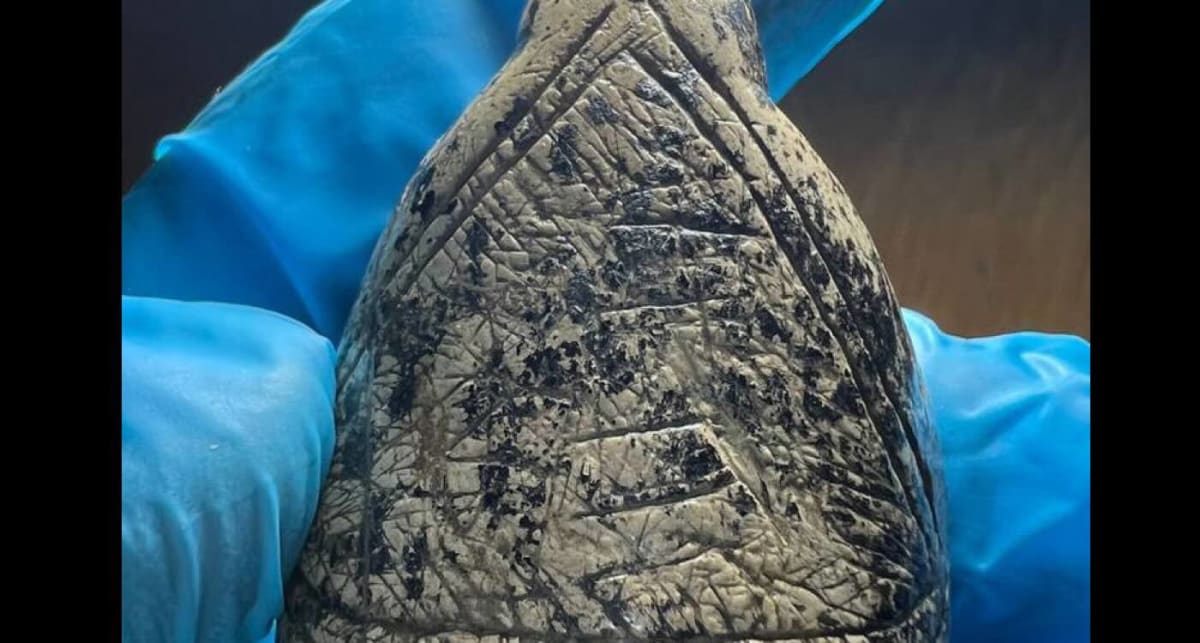
Even degraded samples retained their biological fingerprints. Fossilized dinosaur eggshells in the study still showed detectable statistical patterns connected to ancient life, suggesting the method works across vast timescales.
"Astrobiology is fundamentally a forensic science," said Gideon Yoffe, the study's first author from the Weizmann Institute of Science. "We're trying to infer processes from incomplete clues, often with very limited data."
Why This Inspires
This discovery represents hope in one of humanity's biggest questions: are we alone? Rather than requiring perfect samples or lucky finds, this method works with the data we're already collecting. It transforms existing missions into more powerful life-detection tools.
The approach doesn't claim to solve everything. The researchers emphasize that proving extraterrestrial life will require multiple independent lines of evidence, all interpreted within their planetary context.
But having one more reliable tool in the toolkit makes the search more promising. "If different techniques all point in the same direction, then that becomes very powerful," Klenner said.
The universe just became a little more searchable.
Based on reporting by Google News - Scientists Discover
This story was written by BrightWire based on verified news reports.
Spread the positivity!
Share this good news with someone who needs it