
Scientists Find 100-Million-Year-Old Feathered Dinosaur
A tiny feathered dinosaur discovered in China has its plumage still intact after 100 million years. The remarkable fossil is rewriting what we know about how flight evolved on Earth.
Read the latest positive news, breakthroughs, and inspiring stories about china fossils, curated daily by BrightWire.
A tiny feathered dinosaur discovered in China has its plumage still intact after 100 million years. The remarkable fossil is rewriting what we know about how flight evolved on Earth.
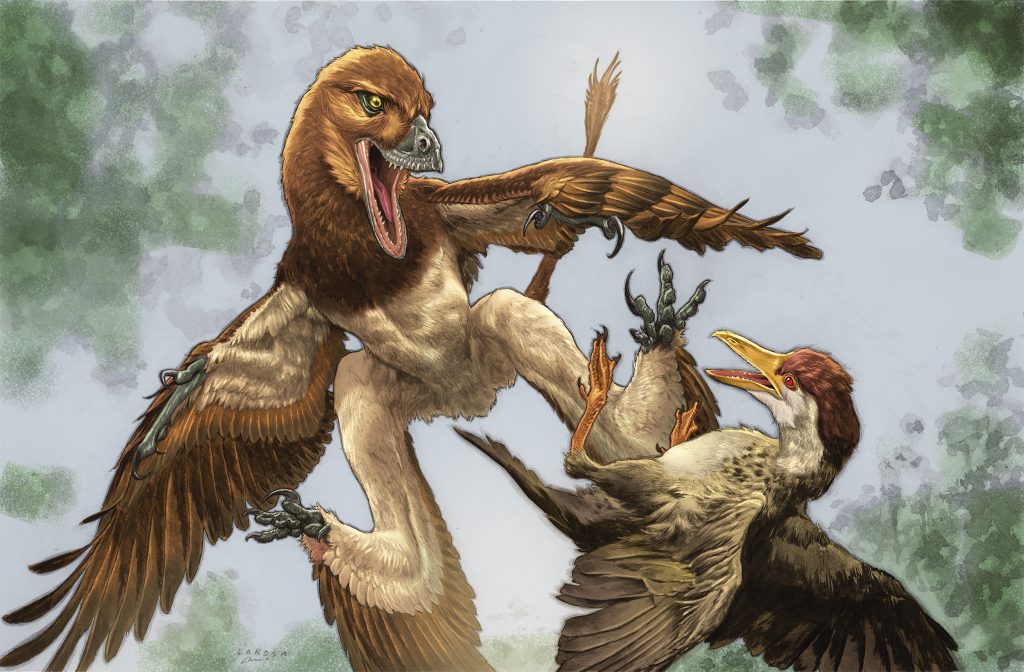
Scientists discovered a new feathered dinosaur species in China that finally reveals what was hunting ancient birds 120 million years ago. The rare find helps explain how modern birds learned to fly.

Scientists discovered a new four-winged dinosaur that likely hunted ancient birds 120 million years ago, solving a mystery about crushed bird bones found in northwestern China. The barn owl-sized predator could glide through the air like a flying squirrel.

Scientists at Carnegie Museum discovered a new dinosaur species that helps solve one of evolution's biggest mysteries: how dinosaurs became birds. The feathered, hawk-sized predator could glide through prehistoric skies 120 million years ago.
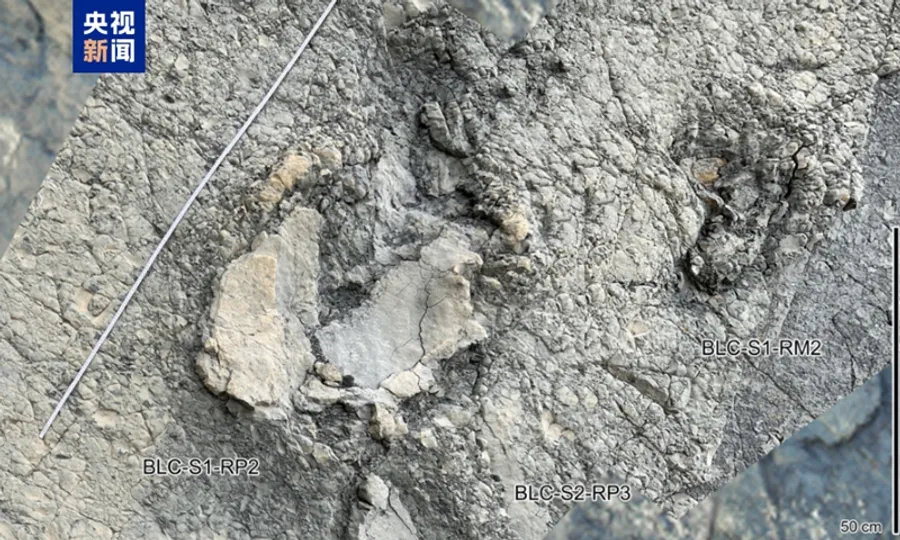
Scientists in China's Ningxia region uncovered 241 dinosaur footprints frozen in time for 110 million years, revealing how giant sauropods moved in herds and gathered at watering holes. The discovery offers a vivid snapshot of life during the Early Cretaceous period.

Scientists in China discovered over 700 fossils proving complex animal life began 4 million years earlier than we thought. The find bridges a crucial gap in understanding how Earth's simple creatures transformed into the diverse animals we see today.