Orange-Sized Radar Sensor Makes Self-Driving Cars Safer
Scientists at Rice University created a roadside sensor the size of an orange that helps self-driving cars see hidden obstacles like pedestrians and cyclists. The device works like a second set of eyes, catching blind spots that car sensors miss.
📺 Watch the full story above
Self-driving cars just got a powerful new safety feature, and it doesn't even go inside the vehicle.
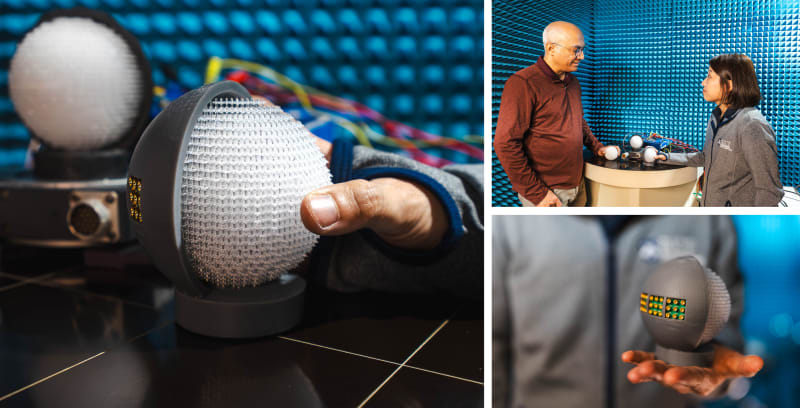
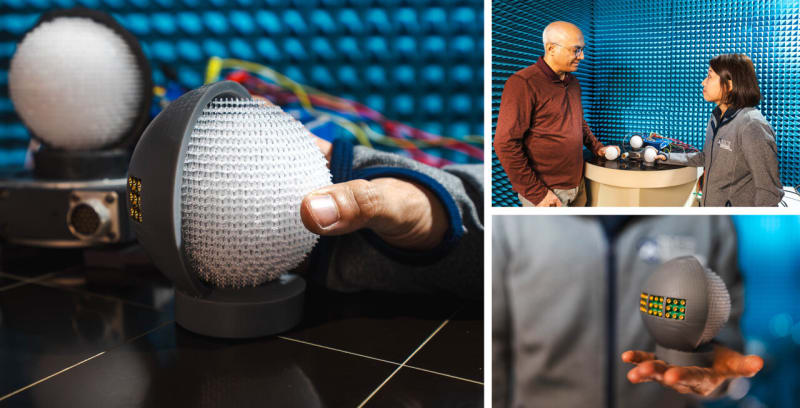
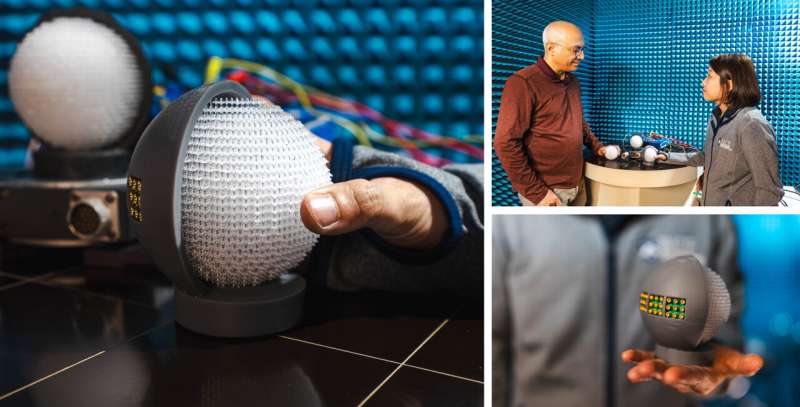
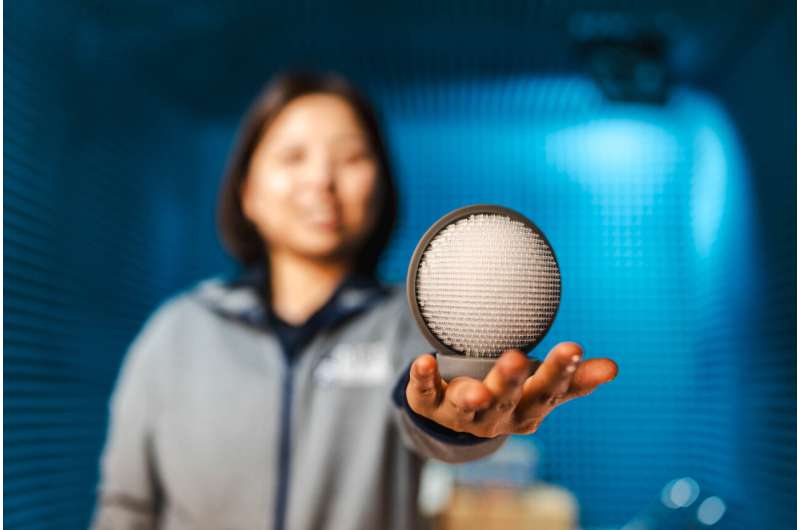
Researchers at Rice University developed EyeDAR, a radar sensor small enough to fit in your hand that mounts on streetlights and stop signs. The device picks up what self-driving car sensors miss, like pedestrians stepping out from behind buses or cyclists approaching from odd angles.
Kun Woo Cho, the postdoctoral researcher leading the project, designed EyeDAR to solve a critical problem. When cars send out radar signals to detect obstacles, most of those signals bounce away instead of returning to the vehicle. That leaves dangerous blind spots.
EyeDAR captures those lost signals and sends the information back to the car. The sensor works in rain, fog, and darkness, conditions that often confuse cameras and other car sensors.
The design takes inspiration from human biology. A 3D-printed lens acts like an eyeball, focusing incoming radar signals from any direction. An antenna array behind it works like a retina, detecting where the signal came from.
This physical design replaces complex computer calculations, making EyeDAR incredibly fast. In tests, the sensor identified obstacle locations more than 200 times faster than traditional radar systems.
The device communicates by blinking, essentially using Morse code with radar waves. It alternates between absorbing and reflecting signals back to cars in patterns of 0s and 1s. No new transmissions needed, which keeps power consumption low.
The combination of small size, low cost, and minimal power requirements means cities could install thousands of these sensors across busy intersections and highways. Each sensor costs far less than upgrading individual vehicles with more sophisticated systems.
Why This Inspires
EyeDAR represents a shift in how we think about vehicle safety. Instead of making each car perfect on its own, we can build smarter roads that help all vehicles see better together.
The technology extends beyond self-driving cars. The same sensors could help robots navigate warehouses, guide drones through cities, or assist wearable devices for people with vision impairments. Networks of EyeDAR sensors could even share information with each other, creating a web of awareness that extends far beyond what any single device could see.
Cho presented the technology at an international computing conference in Atlanta in February 2026. Cities and automakers are already exploring how to integrate roadside sensors into their safety infrastructure.
The shift from perfect individual vehicles to cooperative road systems could accelerate the timeline for safe autonomous driving in complex urban environments where the technology has struggled most.
More Images
Based on reporting by Phys.org - Technology
This story was written by BrightWire based on verified news reports.
Spread the positivity!
Share this good news with someone who needs it