5.6 Million Bees Found Under New York Cemetery
Scientists discovered one of the largest bee colonies ever recorded living beneath a cemetery in upstate New York. The find shows how unexpected places can become vital havens for underappreciated pollinators.
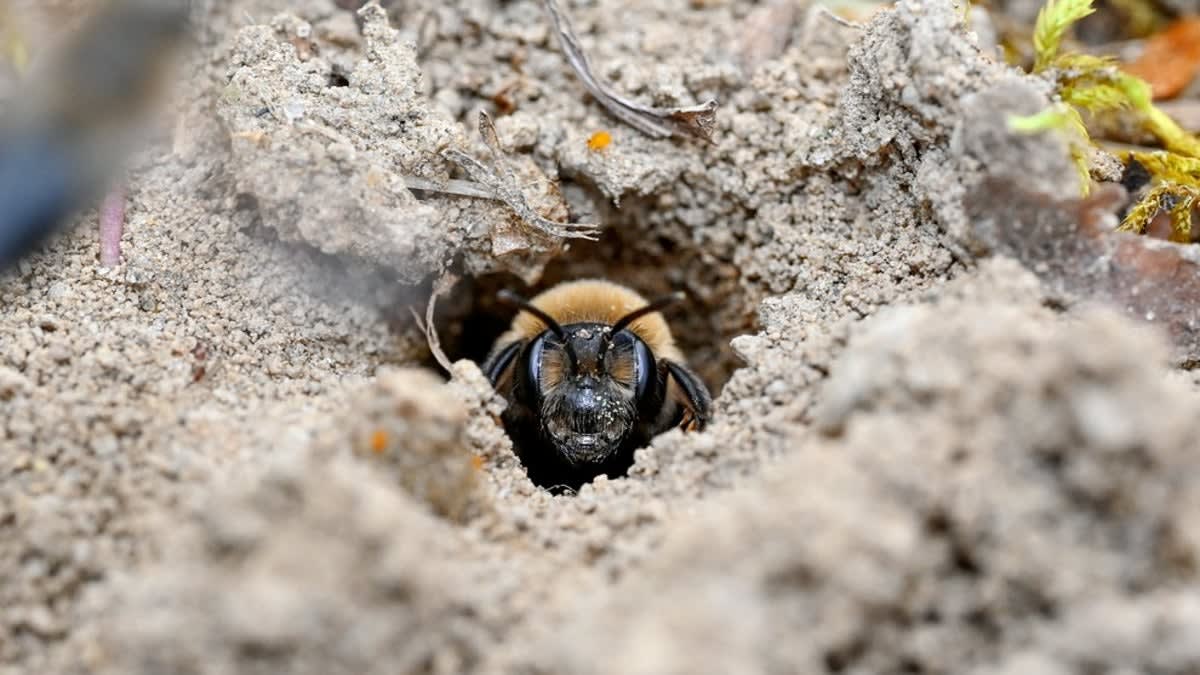
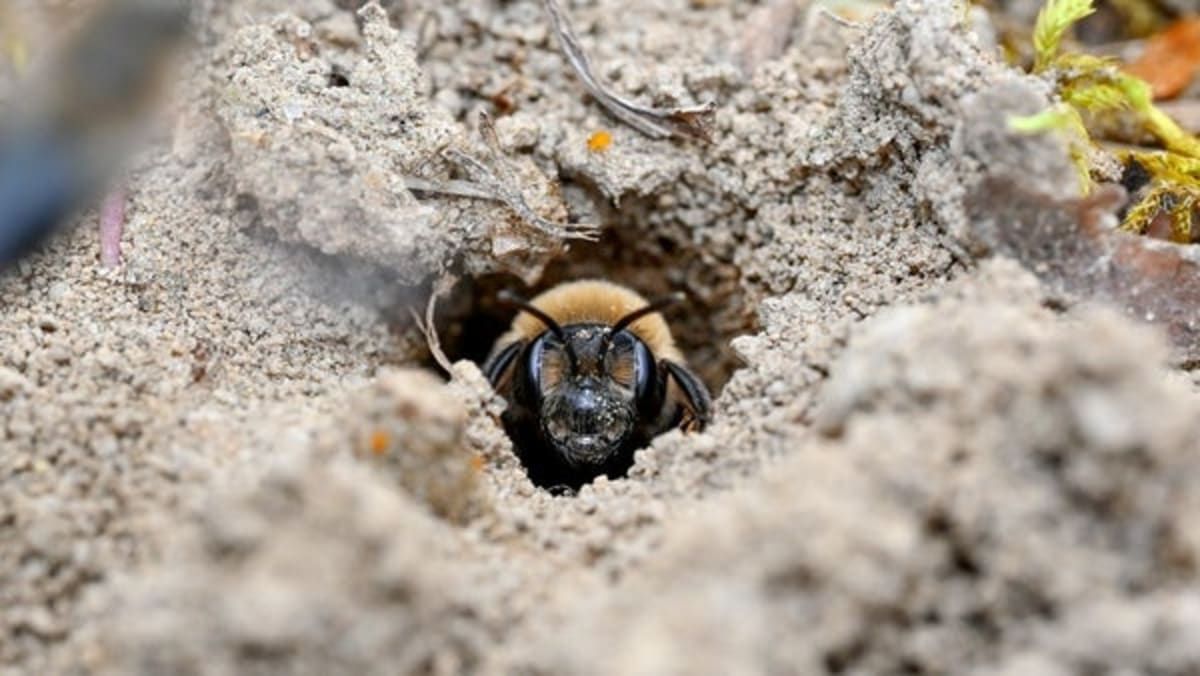
Nearly 5.6 million bees are living beneath the grounds of a New York cemetery, making it one of the largest bee colonies ever documented.
Researchers at Cornell University spent six weeks in 2023 counting regular mining bees at East Lawn Cemetery in Ithaca. What they found floored them: millions of ground-nesting bees thriving in an unexpected urban sanctuary.
These bees have called the cemetery home since at least 1935, but no one knew just how many lived there. The colony spans about 6,500 square meters, roughly the size of a football field and a half.
"I was completely floored when we did the calculations," says Bryan Danforth, an entomology professor at Cornell and lead researcher on the study. "I have seen published estimates of bee aggregations in the hundreds of thousands, but I never really imagined that it would be 5.56 million bees."
Here's what makes this discovery special: most people think of bees as hive dwellers buzzing around wooden boxes. But about 70 percent of bee species in the U.S. actually nest underground, usually living alone rather than in large groups.
For perspective, a typical honeybee colony has around 30,000 individuals. On apple farms, you might find two or three colonies across the space of two football fields. This cemetery houses nearly 200 times that number.
The findings, published this week in the journal Apidologie, blow past other record-breaking discoveries. One Arizona study found 1.6 million bees at a similar site. Another upstate New York study counted 651,000 bees on a suburban lawn.
Why This Inspires
This discovery reminds us that nature finds a way, even in the most unexpected places. While we often think we need to create special habitats for wildlife, sometimes they're already thriving right under our feet.
Ground-nesting bees are exceptional pollinators, yet they rarely get the attention honeybees receive. They work quietly, pollinating crops and wild plants without fanfare or beekeepers tending to them.
The research highlights how cemeteries and other maintained green spaces can serve as crucial wildlife habitats. These bees aren't just surviving in this urban setting; they're thriving in numbers that dwarf most natural populations.
"The solitary bees are totally underappreciated," Danforth says. "I spend a lot of time trying to encourage people to appreciate the solitary bees, just because they do so much, and they're kind of under the radar."
Sometimes the biggest environmental wins are the ones we discover were happening all along.
More Images



Based on reporting by Scientific American
This story was written by BrightWire based on verified news reports.
Spread the positivity!
Share this good news with someone who needs it