Artisan Cheese Bacteria May Boost Your Gut Health
Scientists studying British cheeses discovered the microbes that create those delicious flavors might also fight inflammation and support digestion. Even better news for cheese lovers: the aging process nearly eliminates lactose.
Cheese lovers, rejoice: the bacteria that make your favorite artisan varieties taste amazing might also be doing good things for your gut.
Researchers at the University of Reading tracked three handcrafted cheeses from an Oxfordshire creamery as they aged, watching how microbes transformed simple milk into complex flavors. What they found surprised them: many of the same bacteria responsible for creating each cheese's unique character may also offer real health benefits.
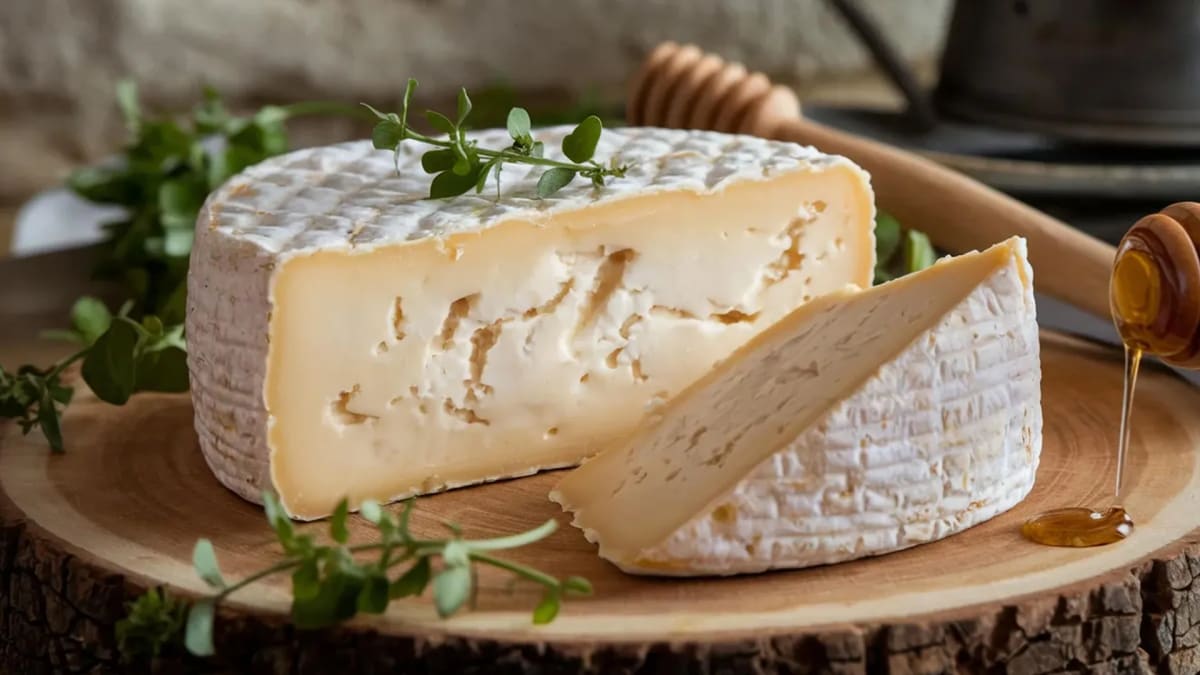
The study followed three distinct varieties. A soft white rind cheese aged just over a week, a washed rind semi-soft cheese that matured for several weeks, and a semi-hard cheese aged in hay for nine months. Each developed its own microbial community as it matured.
Lead researcher Sabrina Longley, who is both a PhD student and a cheesemaker at Nettlebed Creamery, explained why this matters. The cheese's matrix of fats and proteins may protect helpful bacteria as they travel through your digestive system, making cheese an excellent delivery vehicle for probiotics.
All three cheeses contained bacteria with recognized probiotic potential. Streptococcus thermophilus, the same helpful microbe used in yogurt, stayed dominant throughout the aging process. Lactococcus lactis appeared in all three varieties from start to finish.
The washed rind and hay-aged cheeses also featured Propionibacterium freudenreichii. This bacterium produces propionic acid, a compound linked to reduced inflammation, better cholesterol regulation, and appetite control.
The Bright Side
Cheese rinds deserve their own shoutout. That white fuzzy coating on soft cheeses comes from Penicillium candidum, a mold that produces chitin, a dietary fiber that feeds beneficial gut bacteria.
The hay aging process created something remarkable in the harder cheese. As it matured, bacterial diversity exploded. The fully aged cheese contained nearly four times as many bacterial species as earlier versions.
Here's more good news for people who avoid dairy: the aging process broke down almost all the lactose. By the time these cheeses reached your plate, the sugar that causes digestive trouble had virtually disappeared.
Longley cautions that more research is needed to confirm exactly how these bacteria behave once consumed. The team wants to conduct dietary trials to see what happens when people actually eat these cheeses regularly.
For now, though, artisan cheese lovers have another reason to savor those complex, aged varieties knowing the microbes inside might be helping more than just your taste buds.
Based on reporting by Science Daily
This story was written by BrightWire based on verified news reports.
Spread the positivity!
Share this good news with someone who needs it