Asteroid Ryugu Contains All 5 Building Blocks of Life
Scientists found all five DNA and RNA building blocks in samples from asteroid Ryugu, strengthening the idea that space rocks delivered the ingredients for life to early Earth. This discovery brings us closer to understanding how life began on our planet.
Scientists just confirmed something extraordinary: an asteroid floating through space contains every single building block needed to form DNA and RNA.
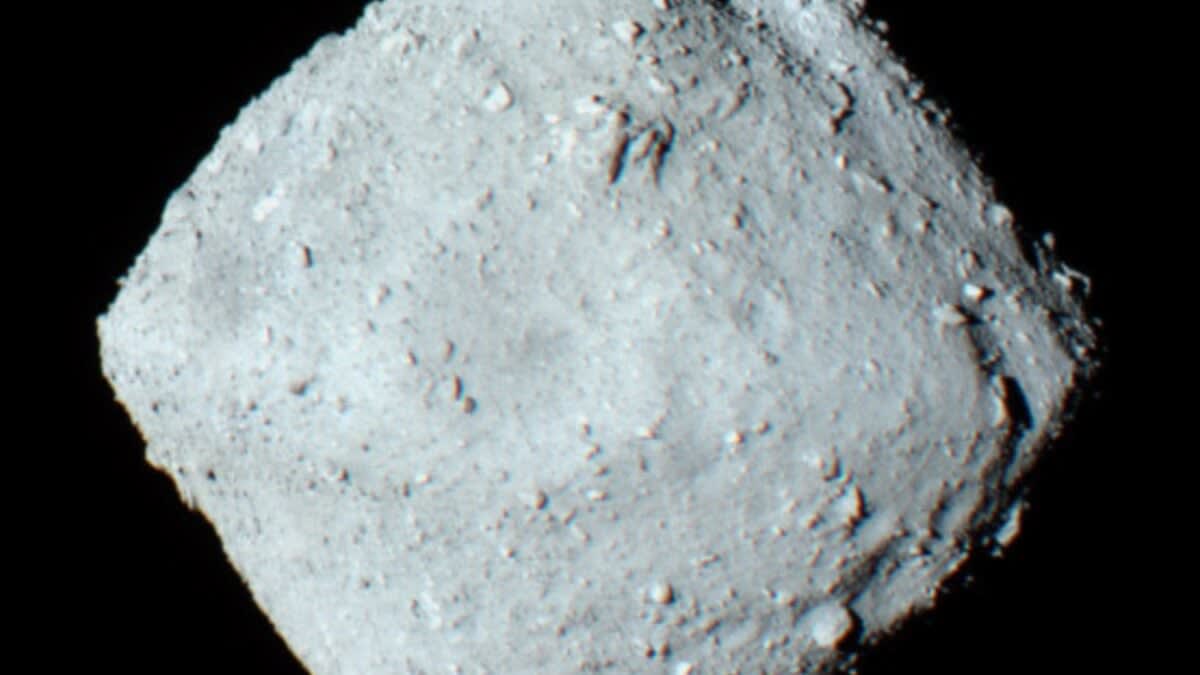
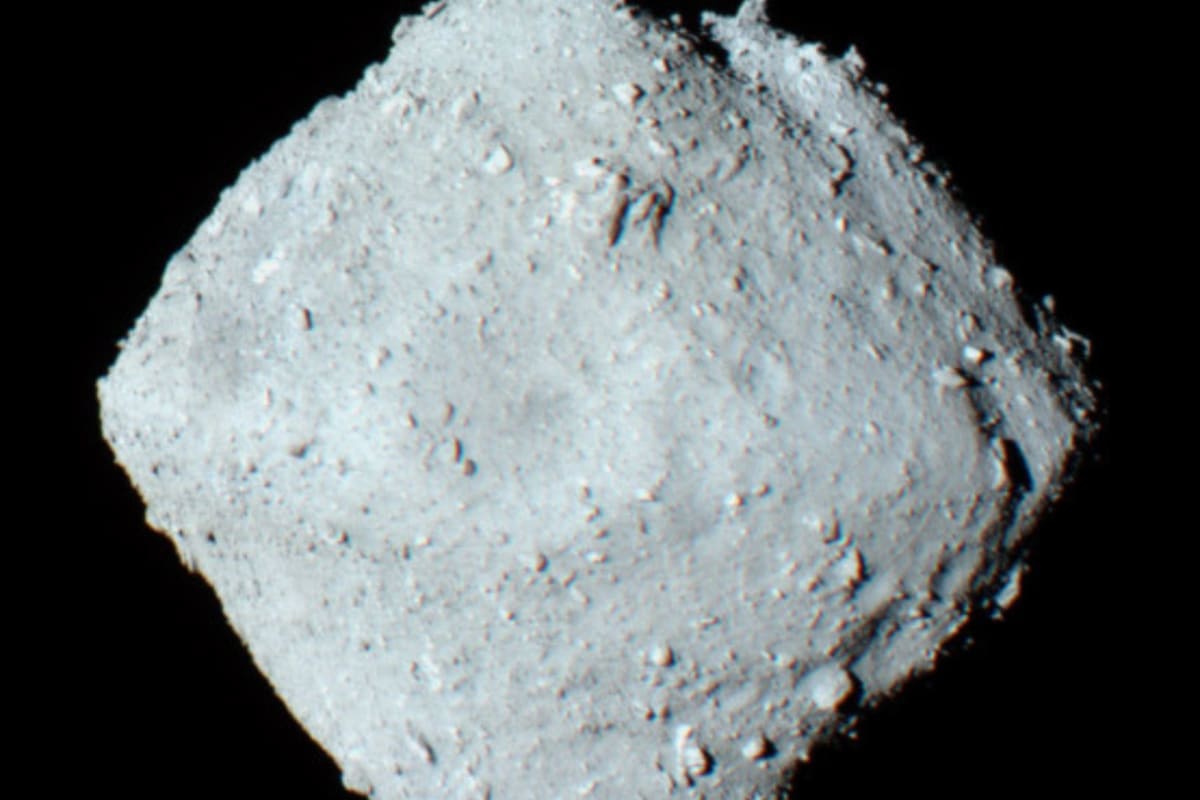
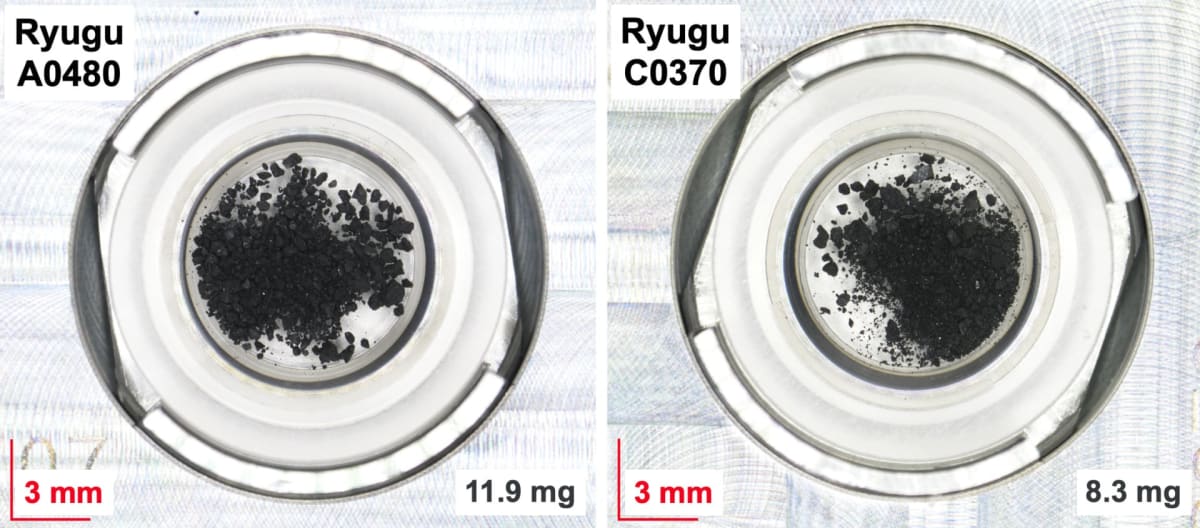
Researchers analyzing samples from asteroid Ryugu discovered all five nucleobases, the essential components that make up the genetic material in every living thing on Earth. The Japan Aerospace Exploration Agency's Hayabusa2 spacecraft traveled 186 million miles to collect these precious samples, firing a projectile into the asteroid's surface in 2019 and catching the debris that shot out.
The finding supports a hopeful answer to one of humanity's biggest questions: where did life come from? Early Earth was a volcanic, radiation-soaked wasteland with no obvious source for the complex molecules needed to kickstart life. Scientists have long suspected that asteroids and comets might have delivered these ingredients through countless collisions over millions of years.
Toshiki Koga, a researcher at the Japan Agency for Marine-Earth Science and Technology, led the team that made the discovery. They worked in ultra-clean conditions to prevent any contamination and ran tests confirming the molecules formed on Ryugu, not Earth. Finding all five nucleobases in a single asteroid sample had never been done before.
The team compared Ryugu's samples to those from asteroid Bennu and two famous meteorites, Murchison and Orgueil. They found something puzzling: each space rock contained different ratios of the nucleobases. Ryugu had roughly equal amounts of purines and pyrimidines, while the other samples skewed heavily toward one type or the other.
The mystery deepened when they noticed a pattern. Samples with more ammonia consistently showed different nucleobase ratios, suggesting ammonia played a key role in their formation. No known chemical process predicts this relationship, meaning scientists may have stumbled onto previously unknown pathways for creating life's building blocks in space.
The Ripple Effect
This discovery extends far beyond one asteroid. Scientists have now found all five nucleobases in samples from two different carbon-rich asteroids, suggesting these crucial molecules were widespread across the early solar system. That means the ingredients for life weren't rare cosmic accidents but common visitors to young planets like Earth.
Future research will explore the ammonia connection and test how nucleobases form under asteroid-like conditions in laboratories. Each new sample analyzed adds another piece to the puzzle of our solar system's chemical history. Scientists are examining more meteorite samples and refining their understanding of how simple molecules in space became the complex building blocks of life.
The path from lifeless rock to living cell remains mysterious, but we're filling in the blanks. Every discovery like this one narrows the gap between cosmic chemistry and the first spark of life on Earth, bringing us closer to understanding our own origins written in the stars.
More Images

Based on reporting by Google News - Science
This story was written by BrightWire based on verified news reports.
Spread the positivity!
Share this good news with someone who needs it