%2Fhttps%3A%2F%2Ftf-cmsv2-smithsonianmag-media.s3.amazonaws.com%2Ffiler_public%2Ffe%2F59%2Ffe591bc6-41ee-45ab-9650-6e2ffb5b0a87%2Fresized3.jpg)
Astronomer Catches Comet Reversing Its Spin for First Time
A comet did something scientists have never seen: it slowed down, stopped spinning, and started rotating the opposite direction. The discovery gives us a rare chance to watch one of these ancient space rocks transform before our eyes.
Scientists just watched a comet do something they've never caught on camera: completely flip its spin direction.
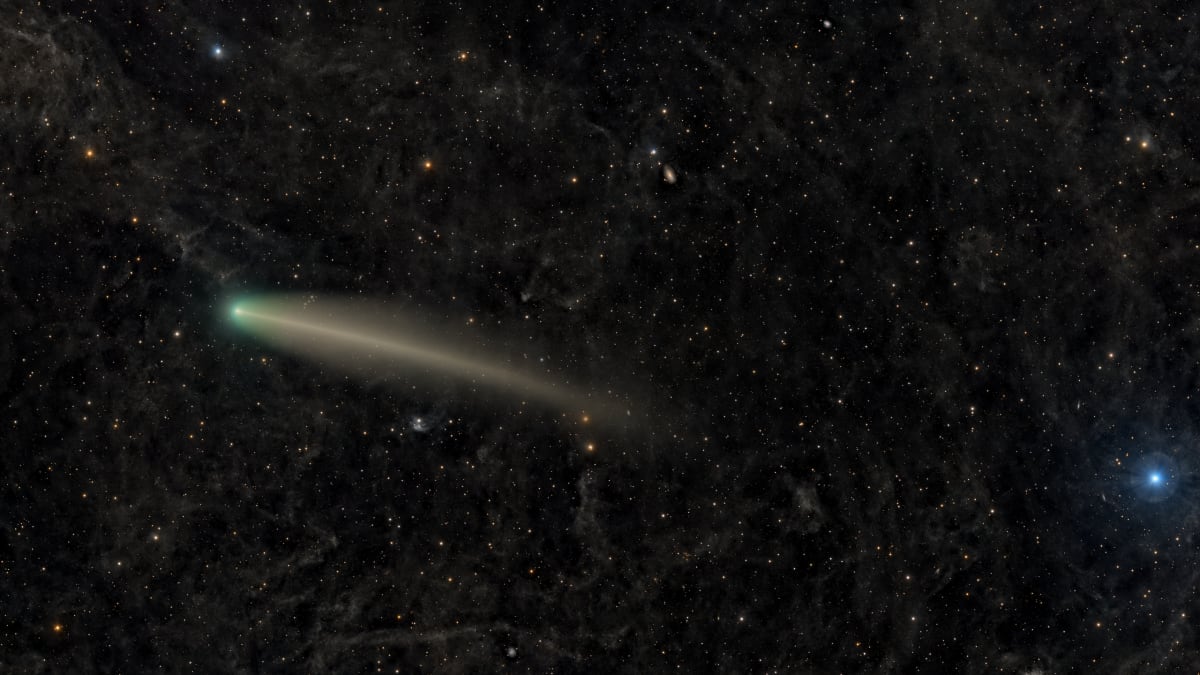
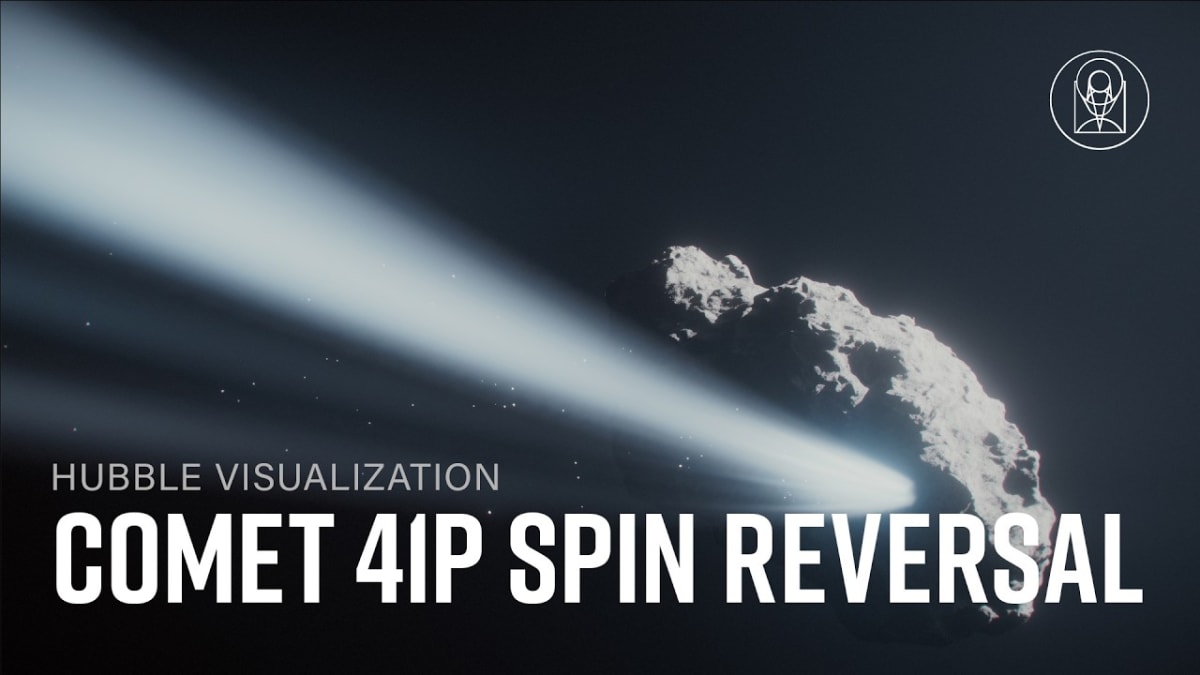
Comet 41P, a small icy space rock that visits our corner of the solar system every few years, pulled off this cosmic gymnastics move in 2017. Astronomer David Jewitt at UCLA discovered the flip while analyzing old images from the Hubble Space Telescope.
The transformation was dramatic. In early 2017, the comet was taking 46 to 60 hours to complete one rotation, more than twice its normal 20-hour spin. By December that year, it had sped up to just 14 hours per rotation.
The only way that math works? The comet slowed down, stopped completely, then started spinning the opposite way.
"It's like pushing a merry-go-round," Jewitt explains. "If it's turning in one direction, and then you push against that, you can slow it and reverse it."
The culprit behind this flip is the sun itself. As sunlight heats ice on the comet's surface, powerful jets of gas shoot out like rocket thrusters. Most of these jets are probably on one side of the comet, creating enough force to twist the small space rock around.
At just over half a mile wide, comet 41P is small enough for these jets to actually change its direction. Larger comets might experience the same forces, but they're too massive to budge.
Why This Inspires
This discovery gives us something incredibly rare: a chance to watch cosmic change happen in real time instead of over centuries.
"This is the first observation to catch a comet doing that in the act," says astronomer Jane Luu, who wasn't involved in the study. Most comets either stay too far away for us to see these changes or break apart before we get a second look.
The comet has been visiting our neighborhood for about 1,500 years after Jupiter's gravity flung it into its current path. Now we get to witness its evolution on a human timescale.
Jewitt's computer models suggest the comet's spin will keep speeding up until the rotational force becomes stronger than the gravity holding it together. At that point, it will fragment into several pieces.
While predicting the exact timing is difficult, the breakup might happen within just a few decades. We're watching the final chapter of a 4.6 billion year old story, and it's unfolding right before our eyes.
More Images
%2Fhttps%3A%2F%2Ftf-cmsv2-smithsonianmag-media.s3.amazonaws.com%2Ffiler_public%2Ffe%2F59%2Ffe591bc6-41ee-45ab-9650-6e2ffb5b0a87%2Fresized3.jpg)
%3Afocal(750x500%3A751x501)%2Fhttps%3A%2F%2Ftf-cmsv2-smithsonianmag-media.s3.amazonaws.com%2Ffiler_public%2Ffe%2F59%2Ffe591bc6-41ee-45ab-9650-6e2ffb5b0a87%2Fresized3.jpg)
%2Fhttps%3A%2F%2Ftf-cmsv2-smithsonianmag-media.s3.amazonaws.com%2Faccounts%2Fheadshot%2FSara_-_Headshot_thumbnail.png)
Based on reporting by Smithsonian
This story was written by BrightWire based on verified news reports.
Spread the positivity!
Share this good news with someone who needs it