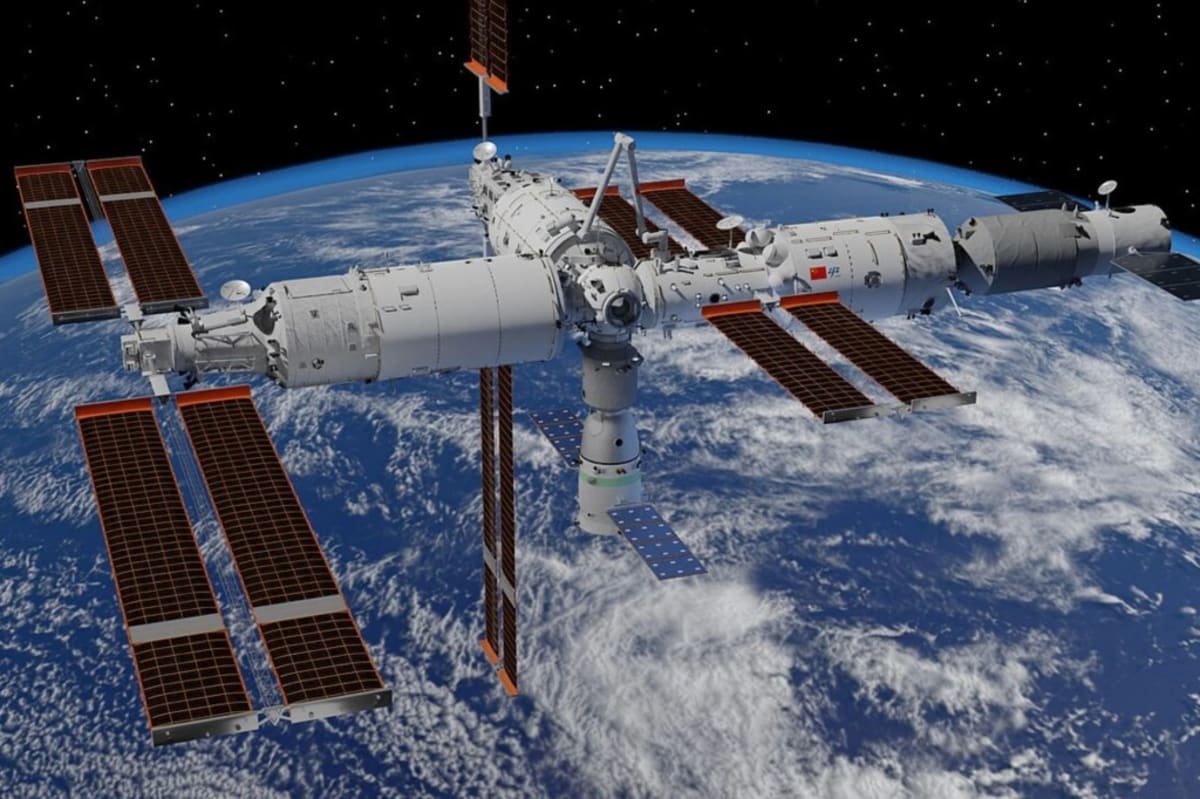
China Sends Lab-Grown Embryo Models to Space Station
Scientists launched synthetic human embryo models to orbit for the first time, testing whether early human development can proceed normally without gravity. The groundbreaking experiment could unlock answers about future deep-space missions and improve fertility treatments here on Earth.
For the first time ever, researchers are studying early human development in space, and the results could change what we know about life both on Earth and beyond.
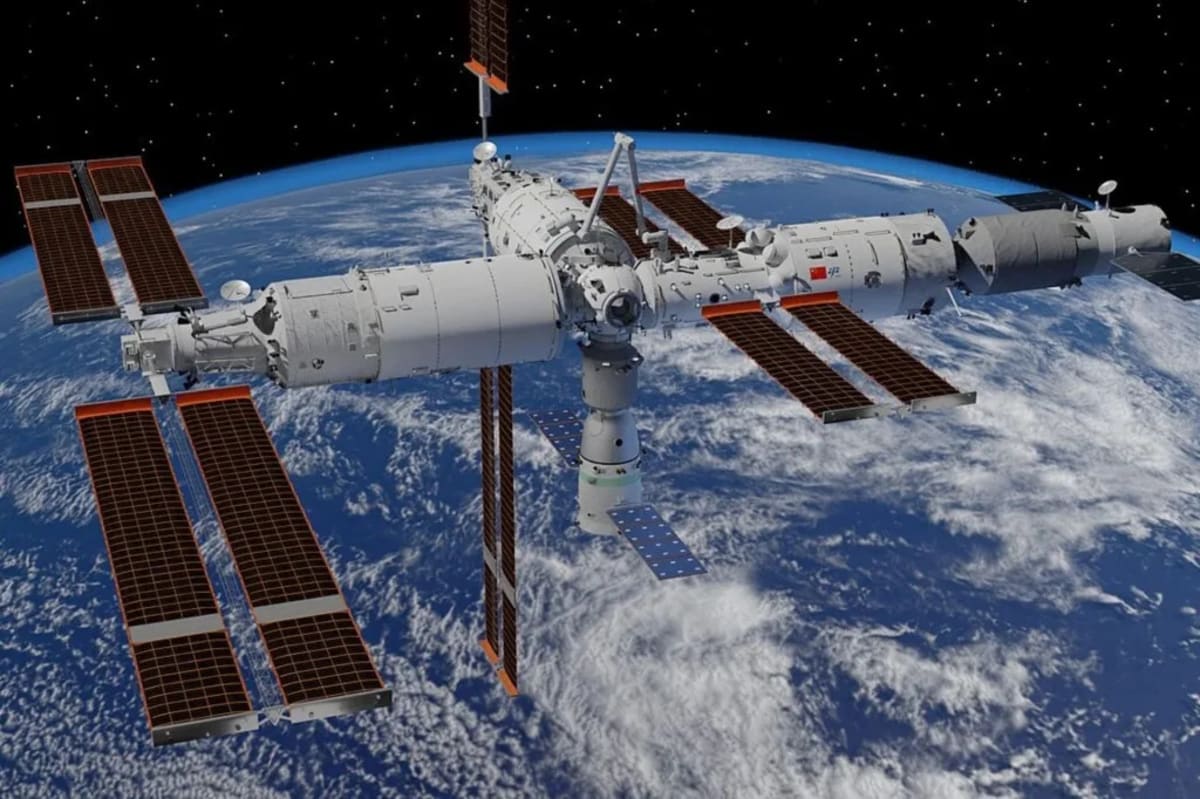
China's Shenzhou 19 mission recently delivered lab-grown embryo models to the Tiangong space station. These aren't actual human embryos but carefully constructed synthetic structures called blastoids, made from stem cells that organize themselves to resemble five-day-old embryos.
The distinction matters both scientifically and ethically. Using real embryos would face major legal barriers worldwide, but these stem-cell models let researchers explore the same developmental processes without crossing those lines.
The experiment houses these models in a compact automated chamber that controls temperature, nutrients, and gases while cameras capture every moment of cell division. Data streams back to Earth in real time, giving scientists an unprecedented view of how human cells behave without gravity's constant pull.
Gravity shapes us in ways we're only beginning to understand. It influences how our cells communicate, how genes turn on and off, and how structures form during those critical first days of development.
Earlier studies showed that mouse embryos grown in space for 96 hours reached the blastocyst stage but succeeded less often than those on Earth. The big question now is whether human cells follow similar patterns or chart their own course.
Why This Inspires
This research reaches far beyond space exploration. Understanding how early embryonic development works in extreme conditions could directly improve assisted reproduction treatments helping families here on Earth.
For future deep-space missions, the stakes are practical and profound. Any crew traveling to Mars faces six to nine months in microgravity each way, exposed to conditions we're still learning to navigate.
The experiment runs as part of China's broader life sciences program aboard Tiangong, which became fully operational in 2022. Researchers there are also studying bone density, heart adaptation, and plant growth in orbit.
No space agency plans human reproduction in space anytime soon. But every answer about how life develops in microgravity brings us closer to understanding our own biology and expanding humanity's reach responsibly.
The mission returns to Earth in 2025, when scientists will analyze whether these embryo models developed normally, stalled, or revealed something entirely unexpected.
Whatever they discover will light the path forward for both space medicine and reproductive health on our home planet.
More Images
Based on reporting by Google News - Science
This story was written by BrightWire based on verified news reports.
Spread the positivity!
Share this good news with someone who needs it
%2Ffile%2Fattachments%2F2996%2FGroundUp-NIH-funding_260278.jpeg)