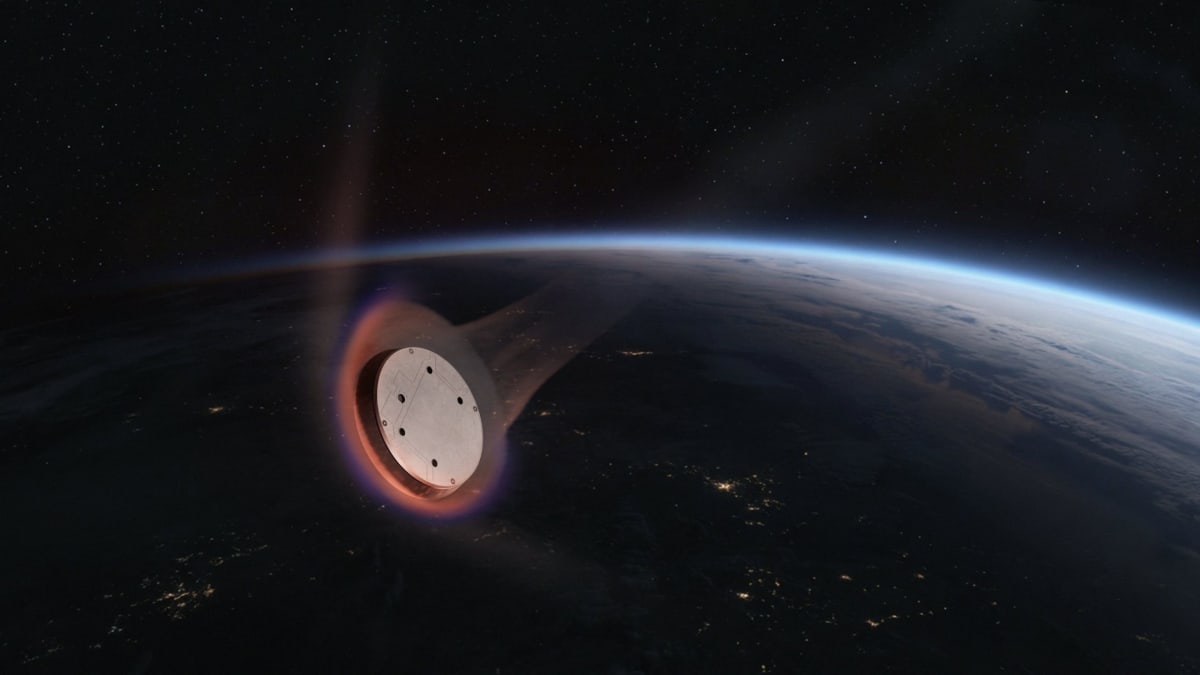
SpaceX to Launch Largest Microgravity Research Mission in 2028
A biotech company just booked an entire SpaceX spacecraft to develop life-changing medicines in space. The 2028 mission could unlock breakthrough therapies impossible to create on Earth.
Find uplifting stories about heroes, innovations, and solutions
145 results for "microgravity"
A biotech company just booked an entire SpaceX spacecraft to develop life-changing medicines in space. The 2028 mission could unlock breakthrough therapies impossible to create on Earth.

Three astronauts returned from an 18-day space mission with perfectly healthy joints, easing concerns about what microgravity does to the human body. Even better, researchers discovered a portable imaging tool that could revolutionize how doctors monitor astronaut health on future missions to the Moon and Mars.

Chinese scientists are studying human embryo development in microgravity to understand if we can safely have babies beyond Earth. The research could be crucial for future moon and Mars settlements.
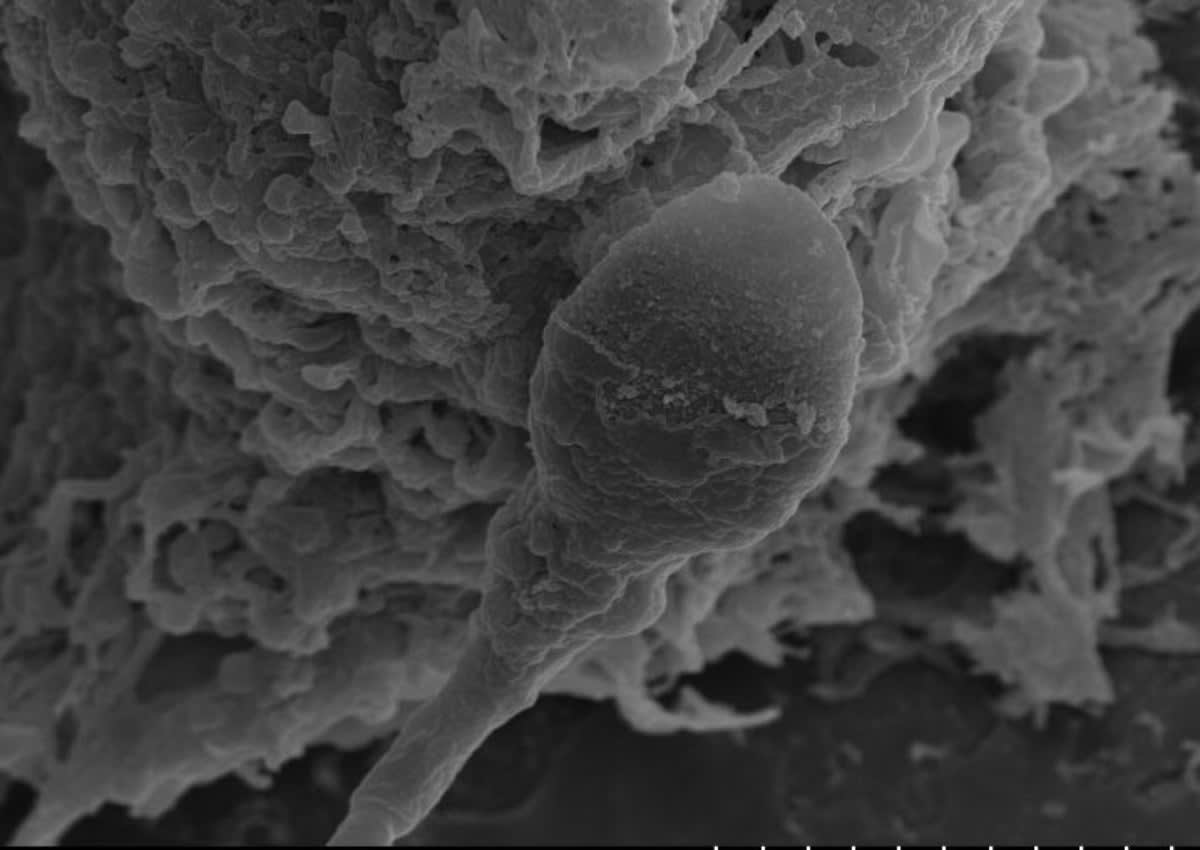
A groundbreaking study reveals sperm struggle to navigate in microgravity, but researchers discovered a promising solution. The findings could help future space colonists start families beyond Earth.
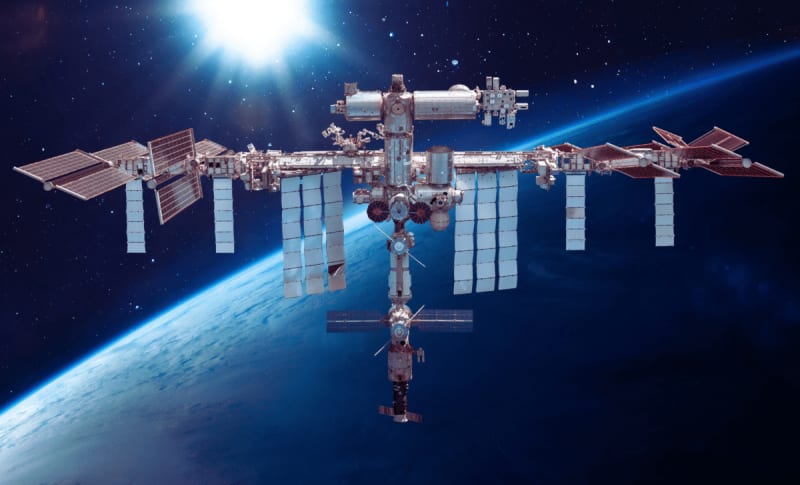
Scientists sent bacteria and viruses to the International Space Station and discovered they evolve completely differently in microgravity. These unexpected mutations could help engineers design better treatments for antibiotic-resistant infections threatening lives back on Earth.
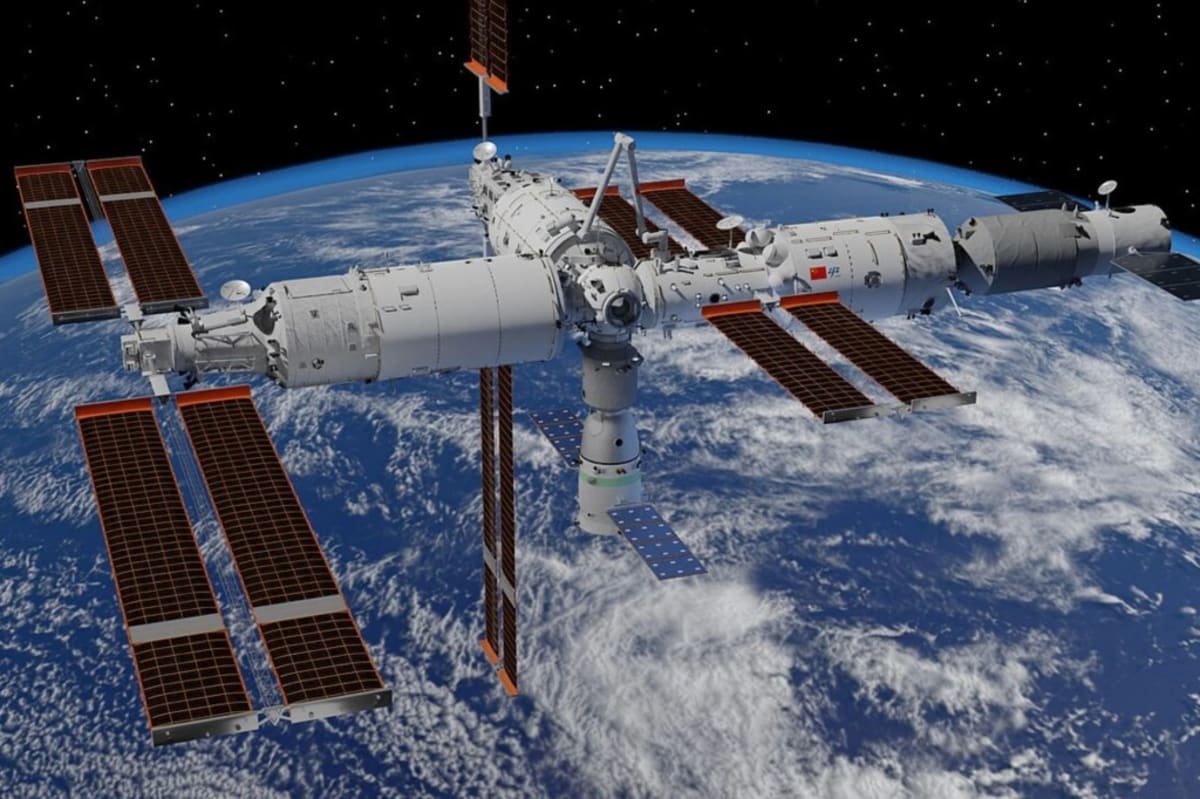
Scientists launched synthetic human embryo models to orbit for the first time, testing whether early human development can proceed normally without gravity. The groundbreaking experiment could unlock answers about future deep-space missions and improve fertility treatments here on Earth.
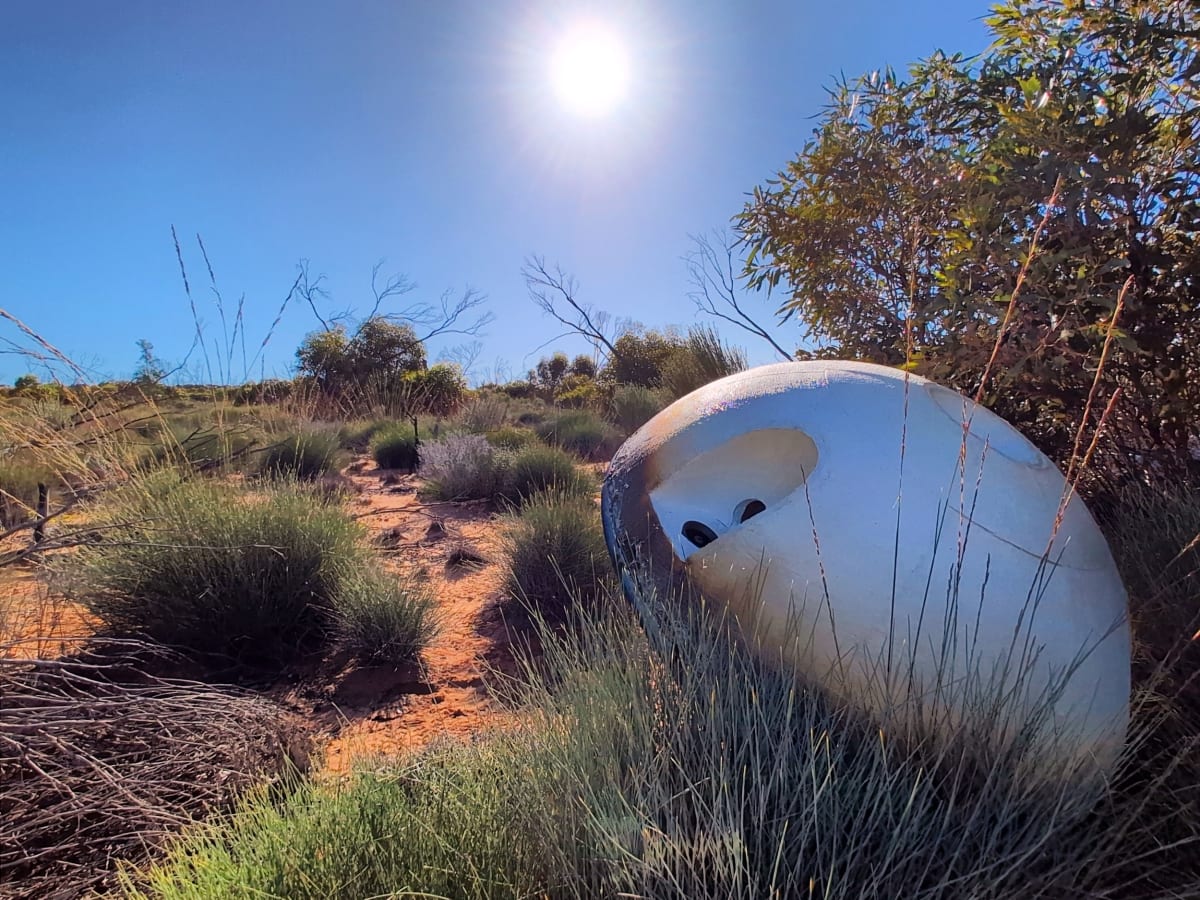
SpaceX just launched its first reentry capsule for microgravity research, validating what startups have been building toward for years. The new competition could accelerate an entire industry focused on making life-saving drugs and advanced materials in space.

Two companies are teaming up to manufacture medicines in orbit, where zero gravity could create more effective treatments for people with rare lung diseases. The first missions launch in 2026, bridging decades of space research with real patient benefits.

A California space company just partnered with a major pharmaceutical firm to manufacture impossible-to-make drugs in orbit. The collaboration could unlock breakthrough treatments for rare lung diseases by 2026.
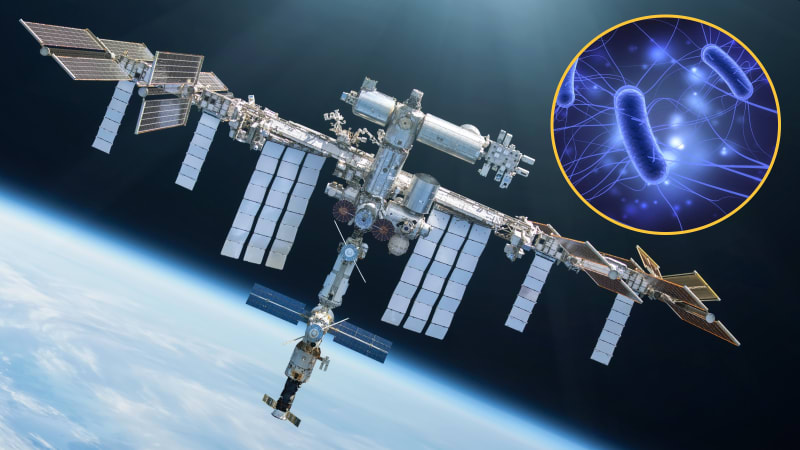
Viruses evolved aboard the International Space Station returned to Earth with a surprise power: they could kill antibiotic-resistant bacteria better than their Earth-bound counterparts. This accidental discovery could help scientists develop new treatments for dangerous infections.
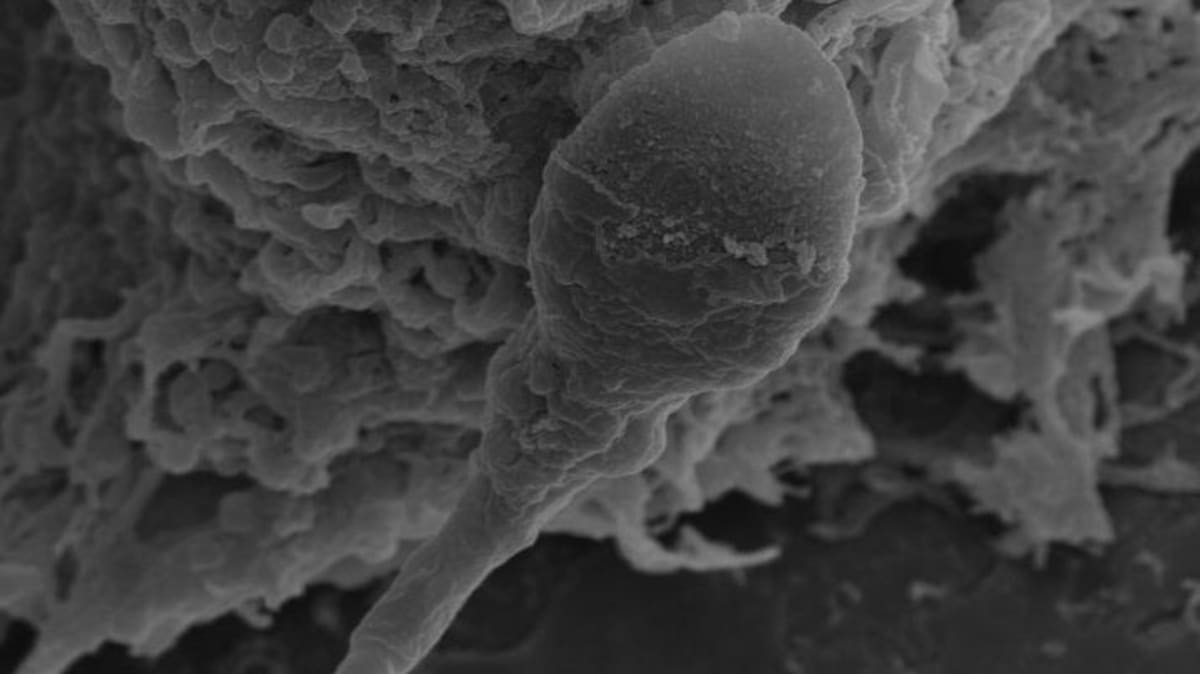
Australian researchers are solving the puzzle of how humans might have babies in space, discovering surprising challenges that need solutions before we can settle other worlds. Their groundbreaking experiments reveal both obstacles and paths forward for space-faring families.
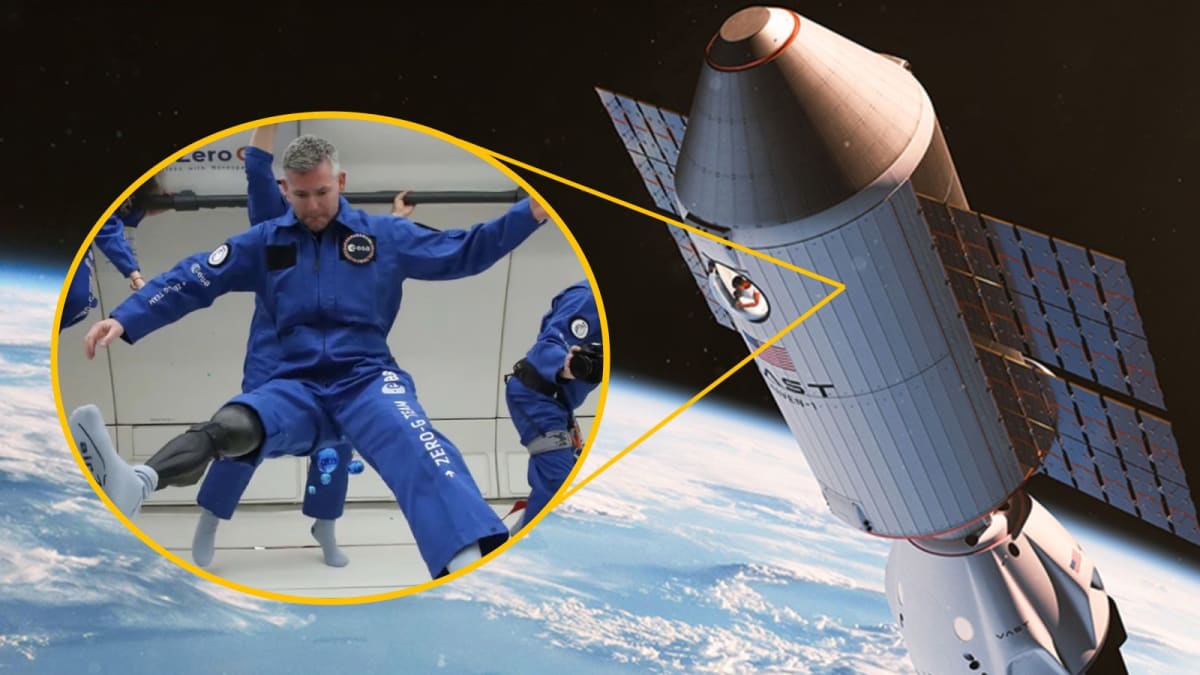
John McFall, who lost his leg at 19, is set to make history as the first physically disabled person in space. The former Paralympic sprinter will help answer groundbreaking questions about disability in microgravity.

At 70 years old, NASA astronaut Don Pettit turned science fiction into reality by successfully growing a purple potato in microgravity. His playful experiment could pave the way for feeding future Mars explorers.
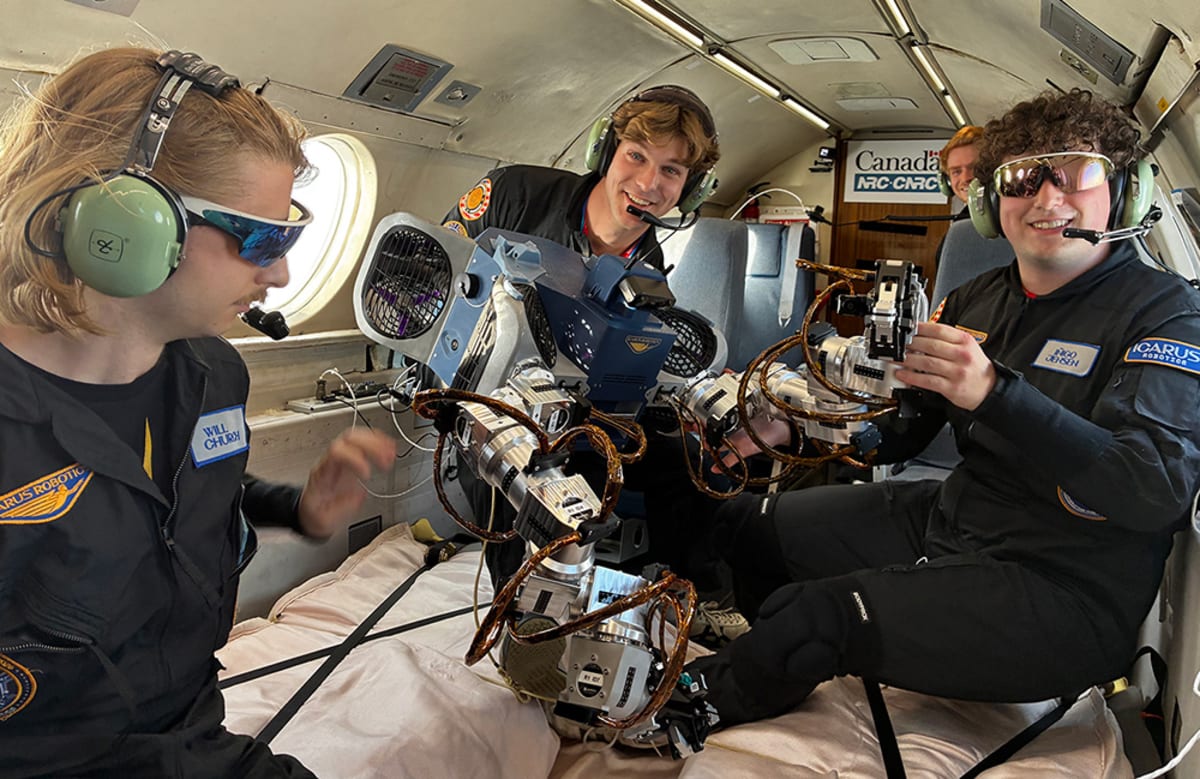
A free-flying robot designed to handle cargo on the International Space Station just aced its final major tests in microgravity. JOY will launch in 2027 to free up astronauts for more important research work.
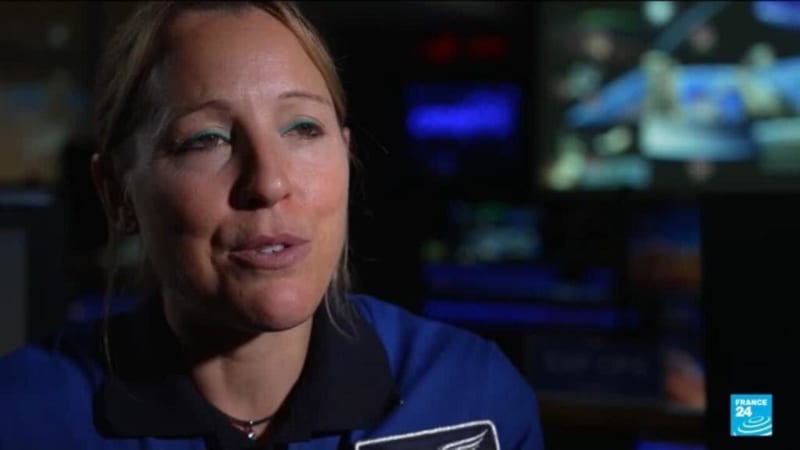
French astronaut Sophie Adenot is preparing for a groundbreaking nine-month mission aboard the International Space Station, setting a new national record for time in orbit. She'll conduct over 200 scientific experiments while living and working in microgravity.
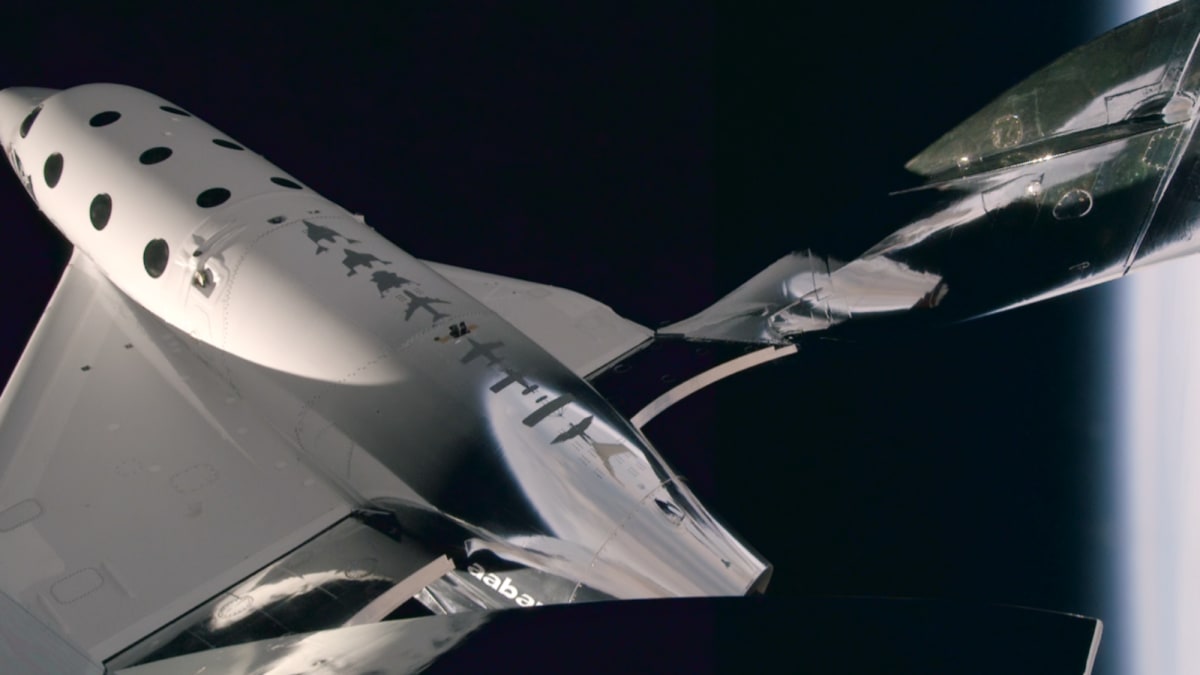
A Gen-Z led nonprofit will fly researchers to space in 2027 to study menstruation in microgravity for the first time ever. The mission tackles a gap in space medicine that's existed since Sally Ride's historic flight 46 years ago.

Scientists aboard the International Space Station successfully used bacteria and fungi to extract platinum and other valuable metals from asteroid samples in microgravity. This breakthrough could help future space explorers build habitats and life support systems without shipping materials from Earth.
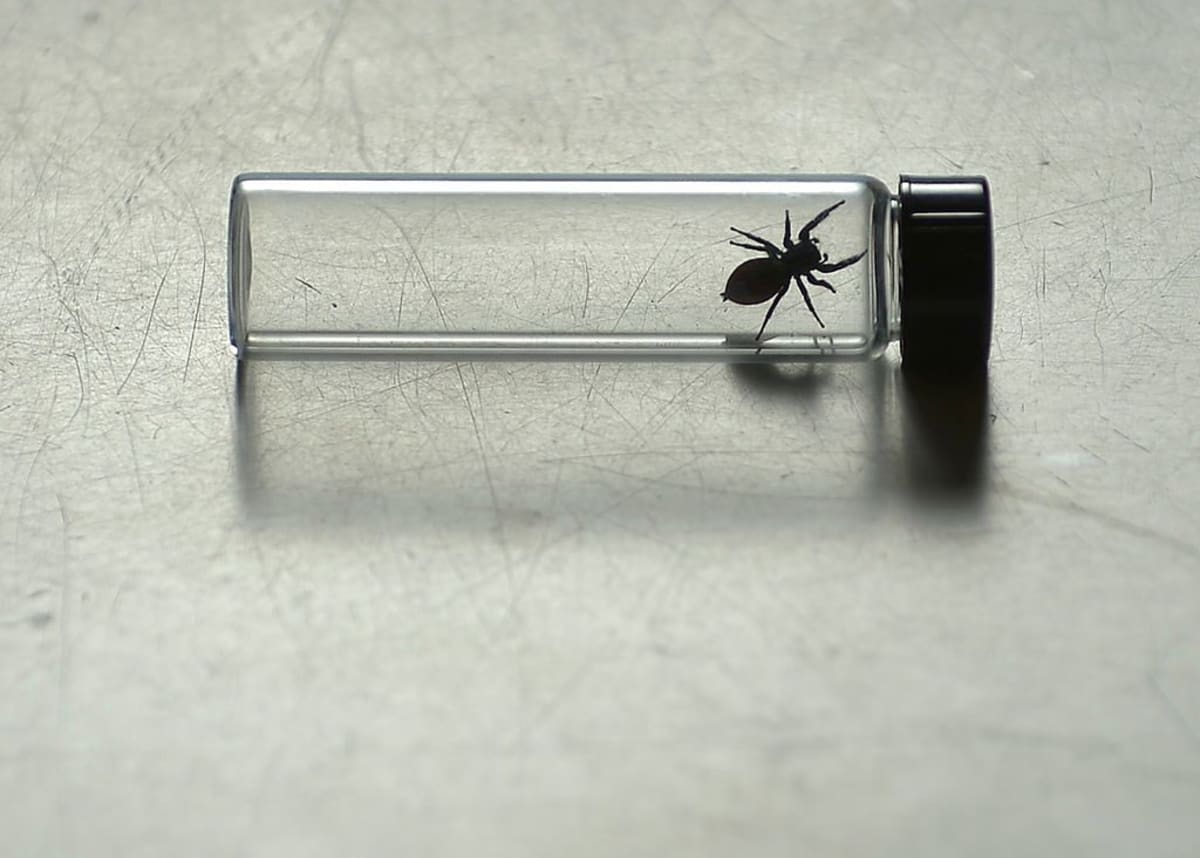
A tiny jumping spider named Nefertiti spent over three months aboard the International Space Station and became the first spider to survive the journey home. Her successful adaptation to microgravity showed scientists that even Earth's smallest creatures can thrive beyond our planet.
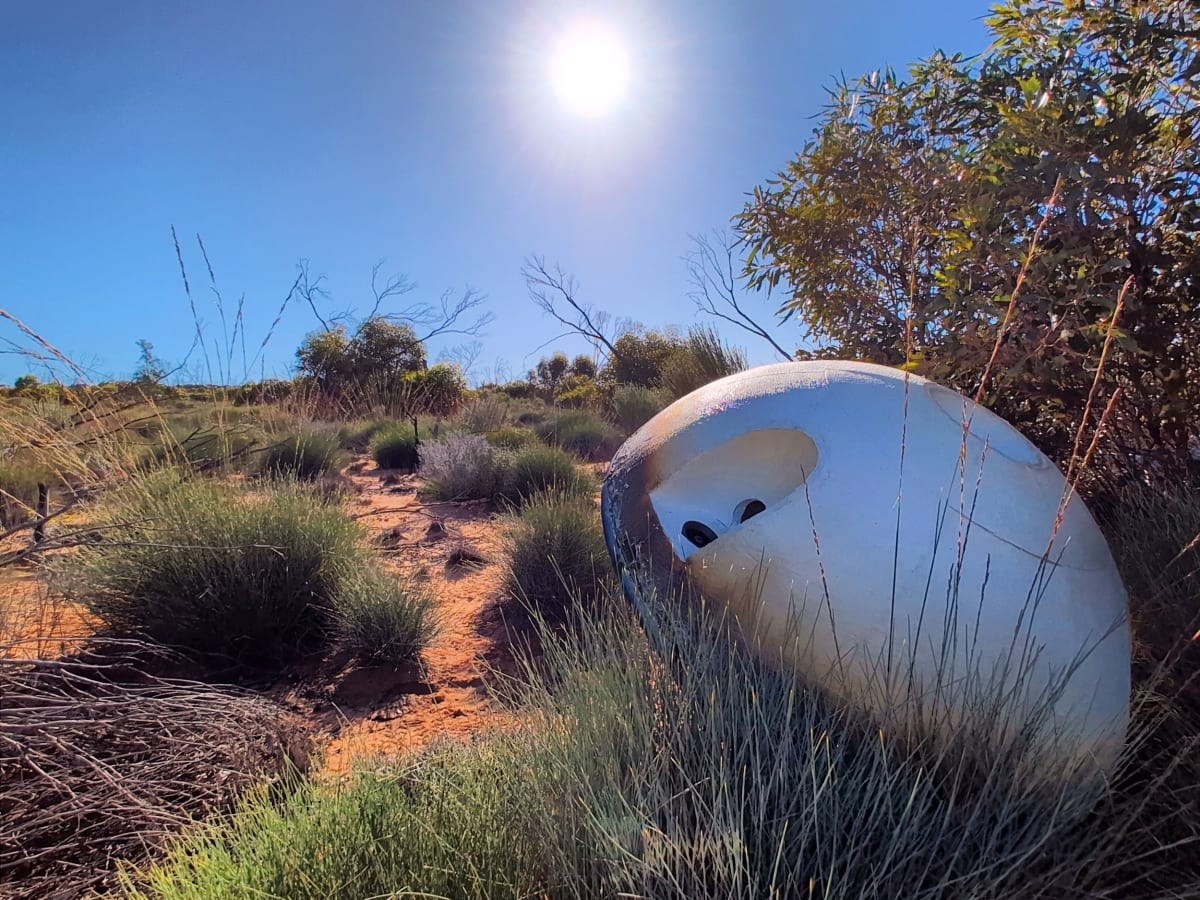
Varda Space Industries just nailed its sixth reentry mission, bringing hypersonic test data back to Earth while racing toward a moonshot goal: the first drug made in space injecting a patient by 2030. The California company is proving that space manufacturing isn't science fiction anymore.

A California company is growing medicine crystals in orbit and parachuting them back to Earth in capsules that land in the Australian outback. If the technology works, it could make drugs more effective and cheaper for millions of patients.
Showing 20 of 145