Denver Scientists Find First Adult T. Rex Trackway
A Colorado teacher recovering from knee surgery stumbled upon the first known walking path left by an adult Tyrannosaurus rex 66 million years ago. The discovery is rewriting what scientists know about how the iconic predator actually moved.
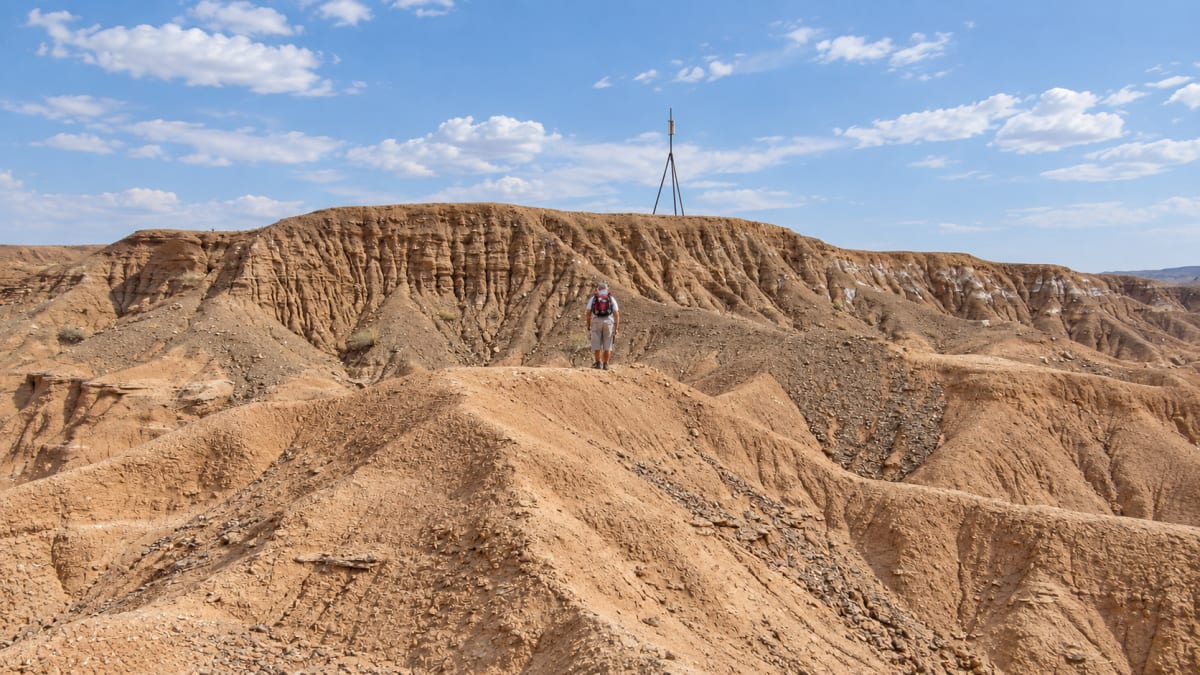
Kent Hups was just looking for an easier way out of a rocky North Dakota valley when three giant toes changed paleontology forever.
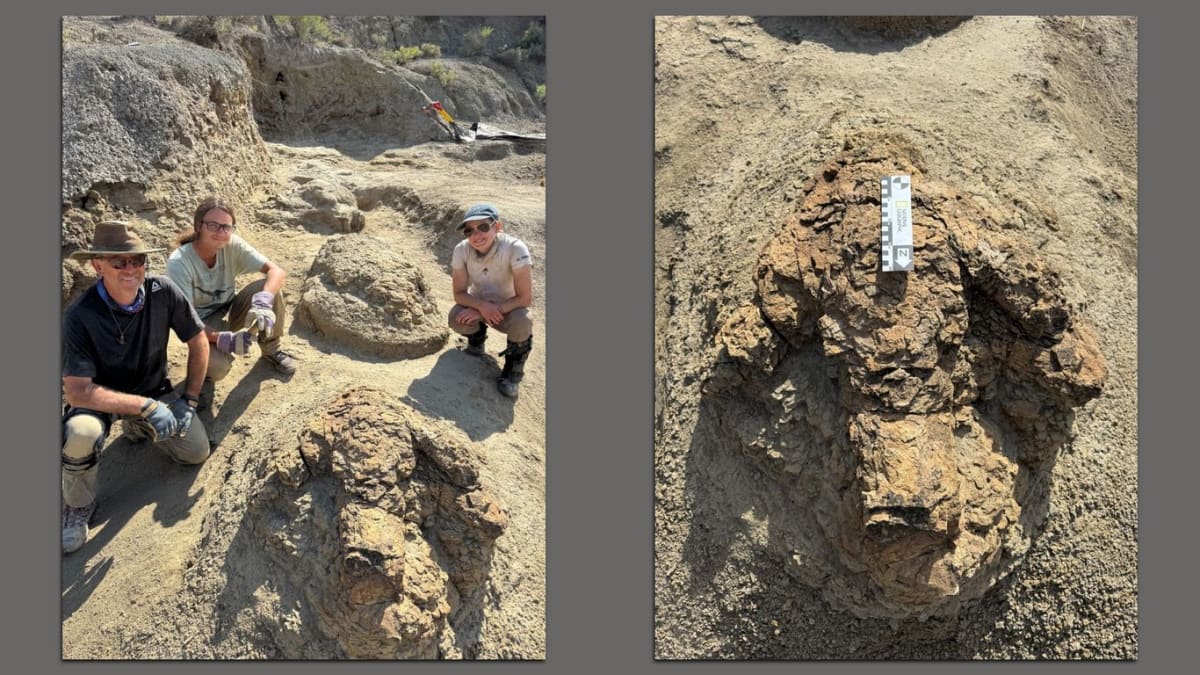
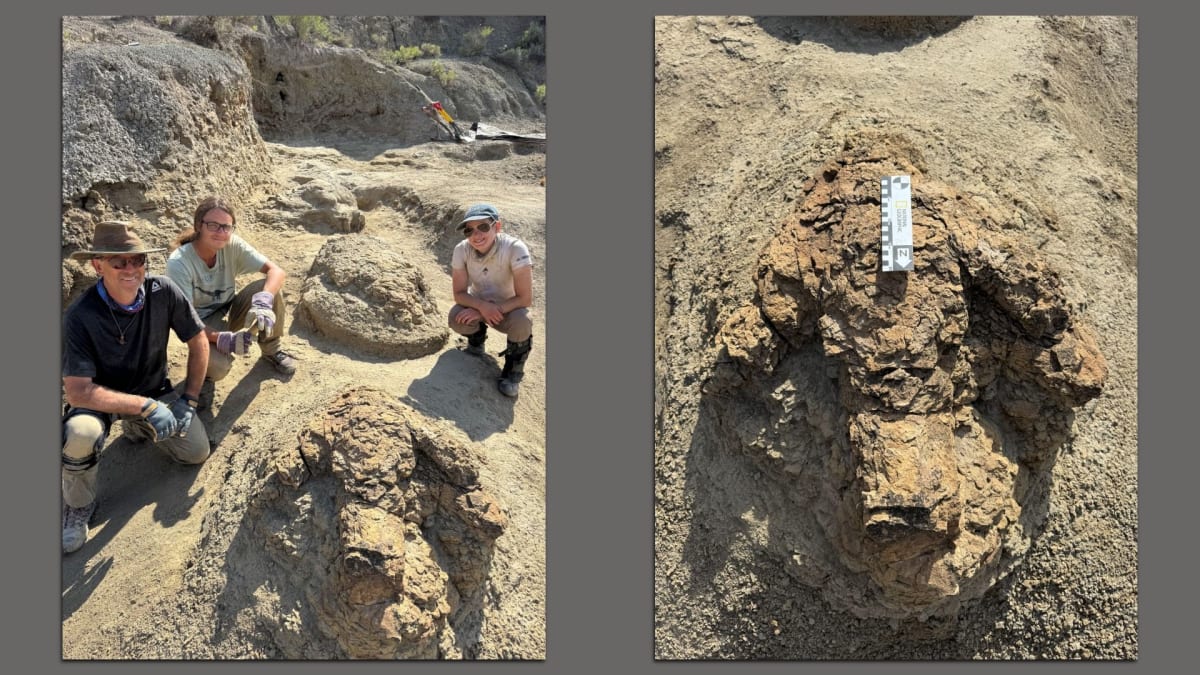
The Northglenn High School teacher and longtime museum volunteer had recently undergone knee replacement surgery in 2025. Searching for a gentler route, he looked down and froze. Three massive toe prints, each nearly three feet long, stared back at him.
"Hey just found a t Rex footprint!!!!!!" he texted Tyler Lyson, senior curator at Denver Museum of Nature & Science. Lyson was skeptical at first, but he decided to test Hups' discovery. He predicted exactly where a second print should be if this really was a T. rex trackway.
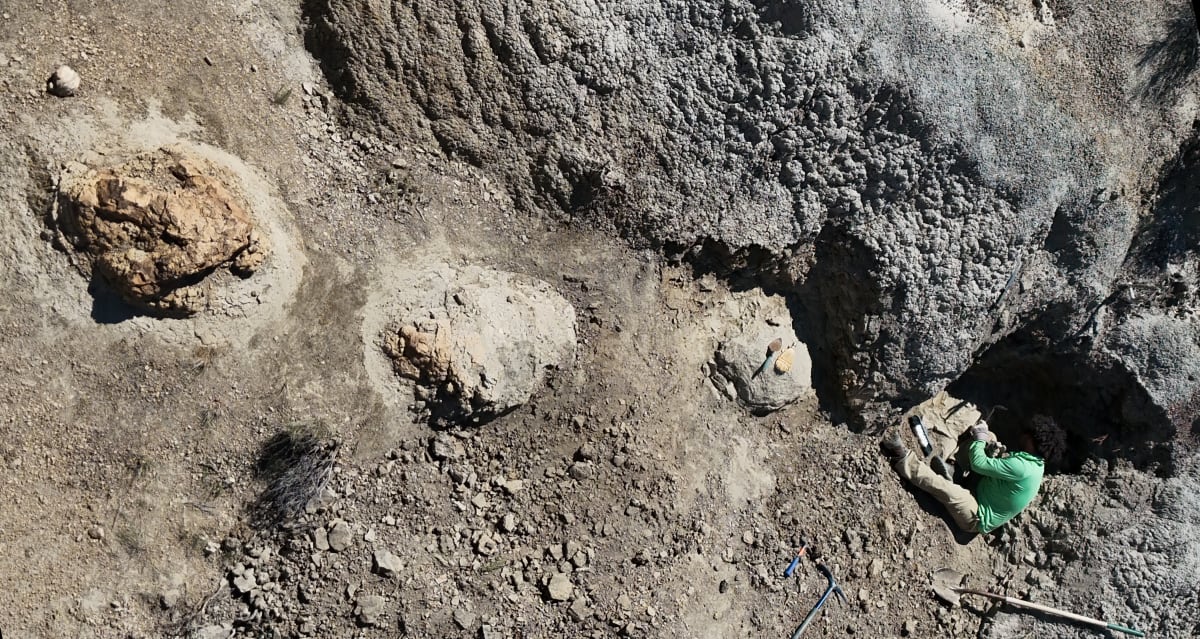
The excavation crew dug where Lyson pointed. They struck gold, or rather, 66 million year old footprints.
The team unearthed a 23 foot path containing four three-toed prints. Each footprint measures about three feet long, with an impressive 13 foot stride between steps. Scientists from the Denver Museum of Nature & Science and Liverpool John Moores University published their findings Tuesday in the Journal of Vertebrate Paleontology.
The discovery marks the first known trackway left by an adult Tyrannosaurus rex. While paleontologists have found countless T. rex fossils, actual footprints showing how these massive predators moved have remained elusive until now.
The research team clocked the dinosaur's walking speed at 3.5 to 4.5 miles per hour. That's roughly the pace of a brisk human walk, suggesting this particular T. rex was strolling rather than running across the ancient landscape.
Why This Inspires
This discovery reminds us that amazing finds are still waiting to be uncovered, sometimes by ordinary people taking different paths. Hups wasn't even looking for dinosaur tracks that day. His knee surgery forced him to slow down and notice what countless others had walked past.
The location makes the find even more remarkable. Dinosaur footprints are exceptionally rare in North Dakota's Hell Creek Formation because ancient streams and swamps typically washed away tracks before they could fossilize. The museum's "Teen Rex" fossil was discovered just over 10 miles from this trackway, and a tyrannosaur tooth fragment turned up less than half a mile away.
Three of the four prints will be airlifted by helicopter from the excavation site this fall. They'll head to the Denver Museum of Nature & Science for detailed study, where visitors can follow along with updates this winter as scientists continue unraveling the mystery of how T. rex actually walked the Earth.
Sometimes the best discoveries happen when we're forced to take the road less traveled.
More Images
Based on reporting by Google News - Scientists Discover
This story was written by BrightWire based on verified news reports.
Spread the positivity!
Share this good news with someone who needs it