Dinosaur Poop Feather Reveals Why Modern Birds Survived
Scientists found a perfectly preserved feather inside 66-million-year-old dinosaur poop that could explain why your backyard birds exist today. The tiny fossil is offering new clues about which birds survived the asteroid that wiped out the dinosaurs.
A feather trapped inside fossilized dinosaur poop is solving one of paleontology's biggest mysteries.
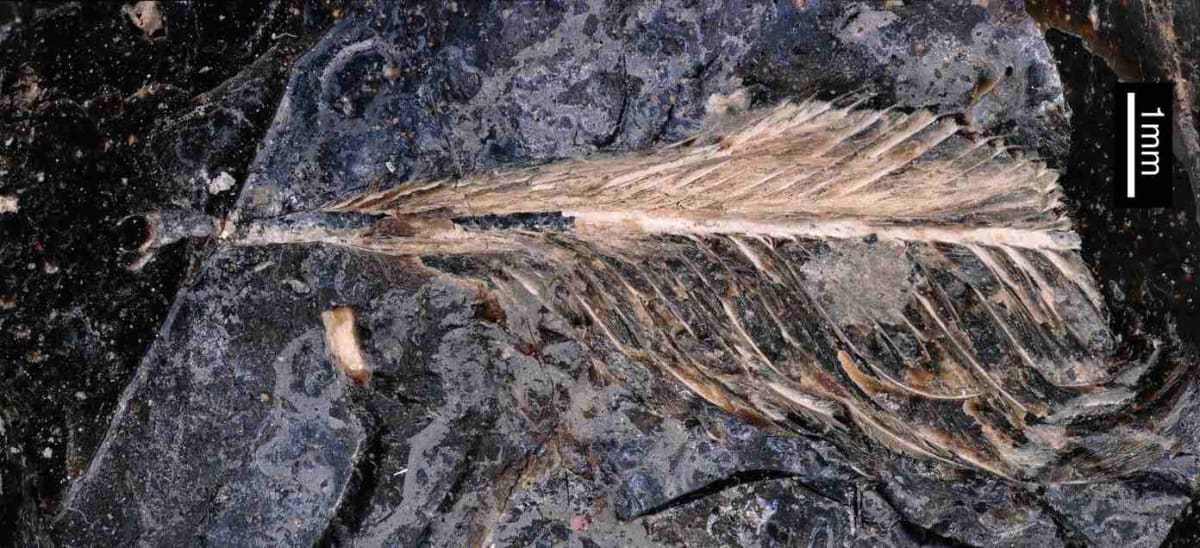
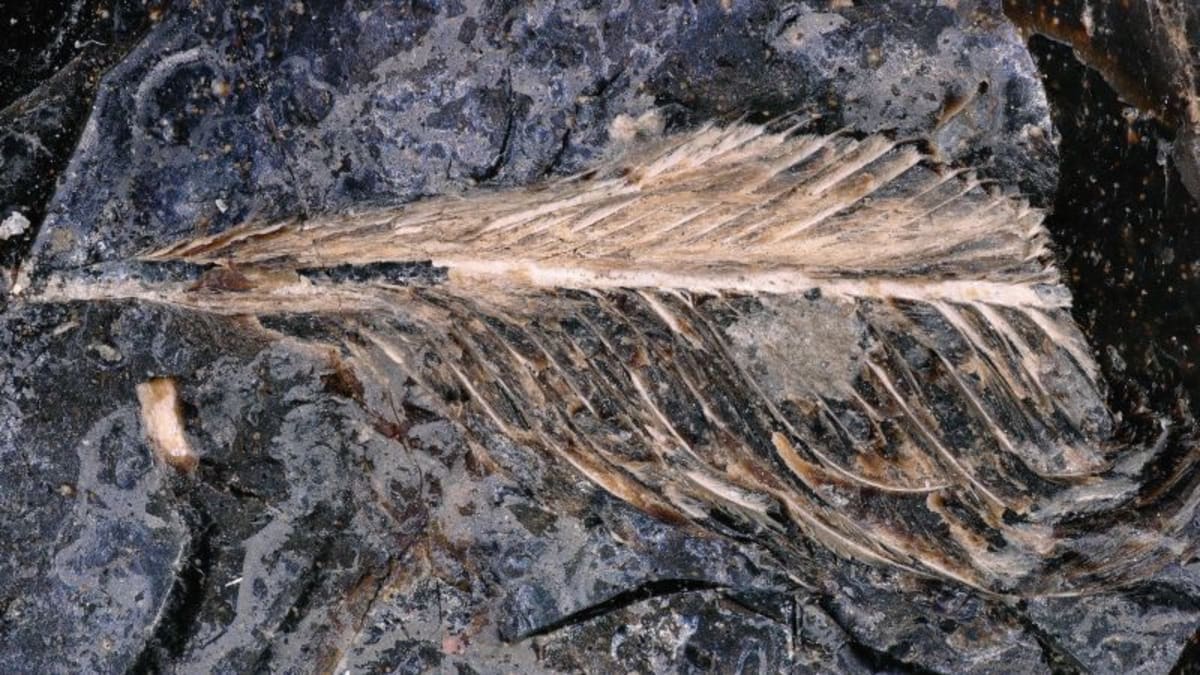
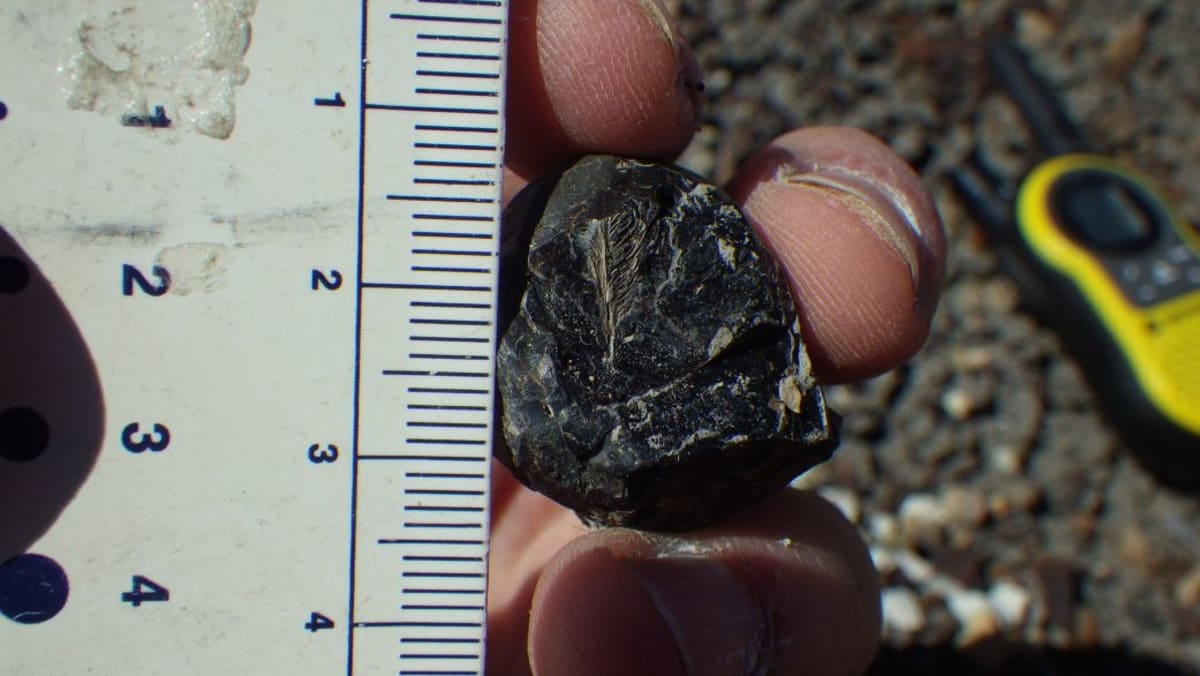
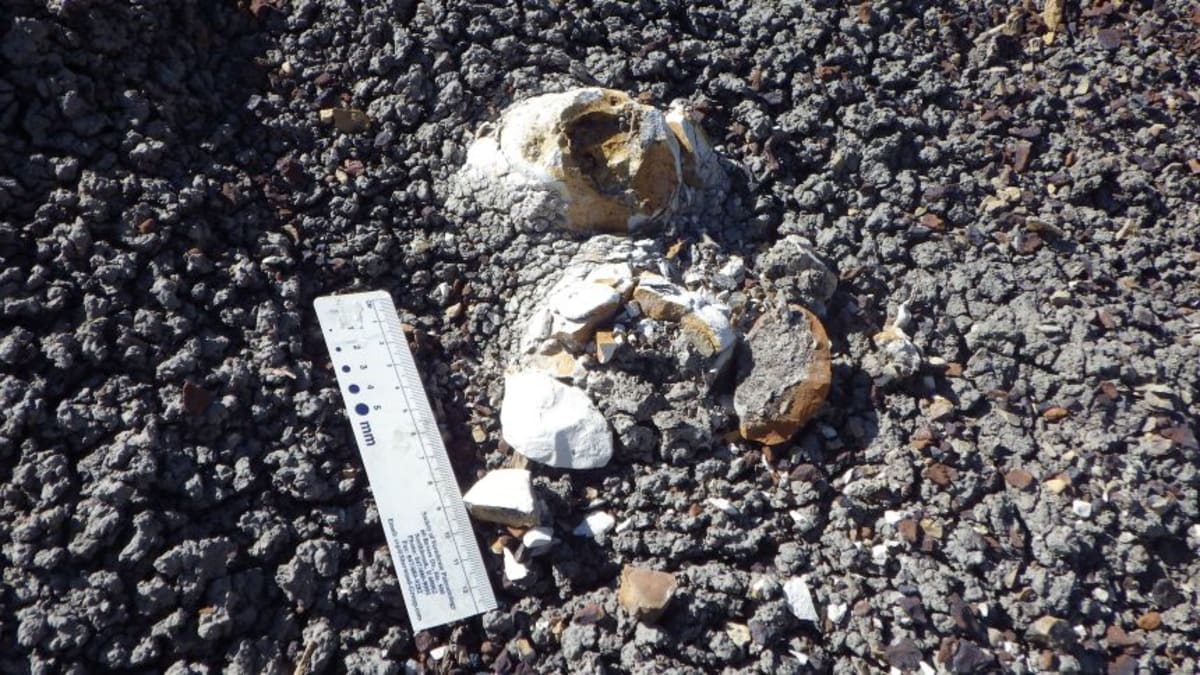
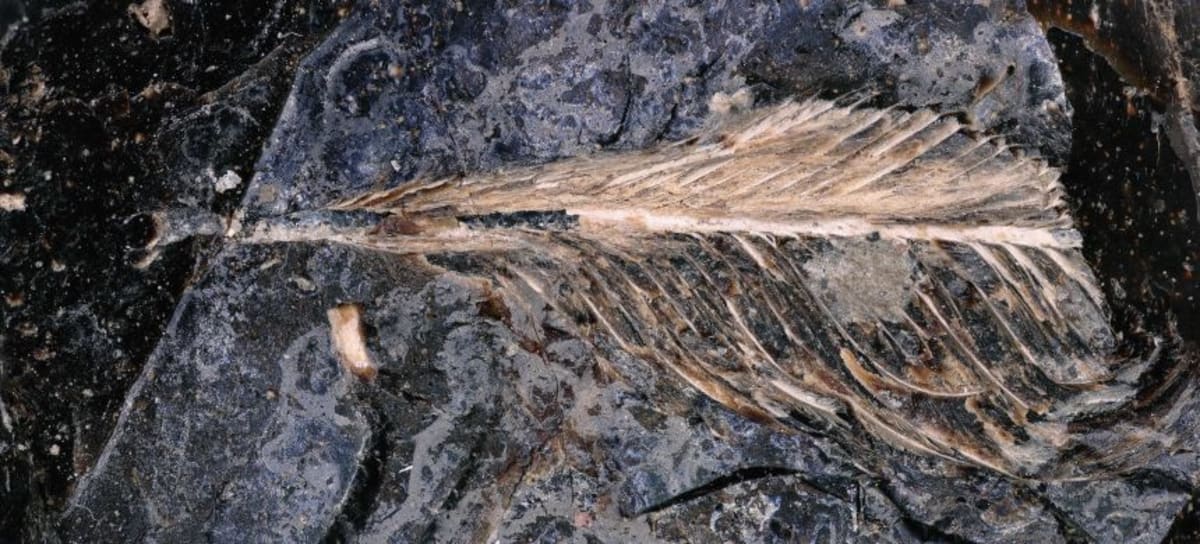
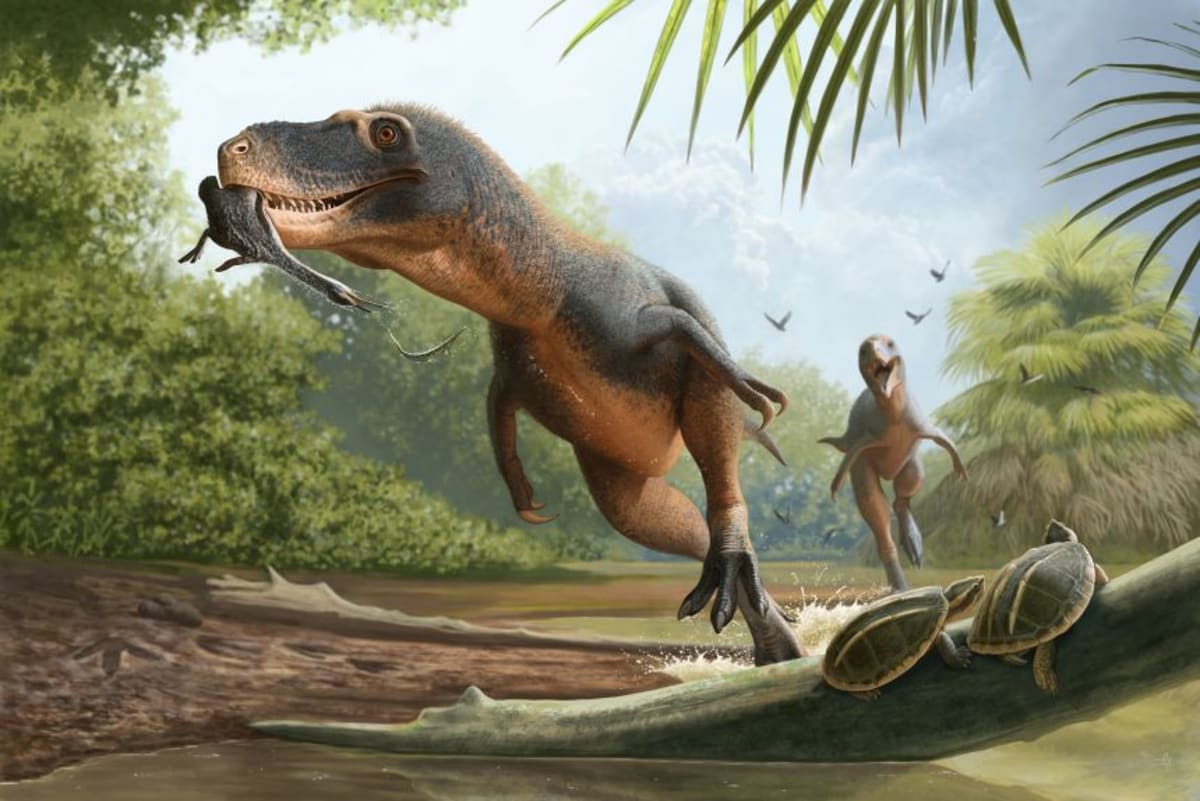
The remarkable discovery happened in Montana, where paleontologist David DeMar Jr. spotted a reddish-brown nodule while collecting fish fossils in 2016. Inside that ancient dung sat the best-preserved feather ever found from the dinosaur age, likely from a bird that was eaten by a Tyrannosaurus rex or its smaller cousin just before the catastrophic asteroid strike 66 million years ago.
The feather belonged to a now-extinct diving bird similar to modern loons. When scientists examined it closely, they noticed something fascinating: some feathers looked modern and sleek, but others appeared primitive and fuzzy, making them poor insulators against cold.
That difference might explain everything. When the asteroid hit Earth, it released billions of tons of dust and gas that blocked the sun and plunged the planet into an impact winter. Temperatures dropped dramatically, and plants couldn't photosynthesize for almost two years.
Birds with primitive, fuzzy feathers suddenly faced a deadly problem. They needed more energy to stay warm, but food became scarce. Meanwhile, birds with modern feathers, the ancestors of today's birds, had better insulation and could survive on less energy.
Lead researcher Jingmai O'Connor from Chicago's Field Museum believes this is why only one group of dinosaur-era birds, called Neornithes, survived to become all the bird species we see today. Their superior feathers gave them an edge during Earth's darkest hours.
Why This Inspires
This discovery reminds us that even the smallest details can determine survival. A slightly fluffier feather meant the difference between extinction and evolution into the thousands of bird species that fill our world with song today.
The research also shows how unexpected sources can hold profound answers. Nobody thought to look inside fossilized poop for clues about mass extinction until DeMar picked up that unassuming rock. Scientists realized the specimen contained multiple feathers, leg bones, and even stomach contents only after scanning it with specialized equipment.
To confirm the hypothesis, paleontologists now need to find a Neornithes fossil from just before the asteroid strike, preserved in amber or another coprolite. As O'Connor notes, someone might have already picked one up without realizing what secrets it holds.
Every robin, sparrow, and eagle flying overhead today exists because their ancient ancestors had the right feathers at the right time.
More Images
Based on reporting by Google News - Science
This story was written by BrightWire based on verified news reports.
Spread the positivity!
Share this good news with someone who needs it