Earth Twin Found 146 Light-Years Away by Amateur Stargazers
Volunteer citizen scientists discovered a planet nearly identical to Earth in size and orbit, circling a sun-like star just 146 light-years away. While currently frozen, scientists say the right atmosphere could make it warm enough for liquid water.
Amateur astronomers just helped discover what might be Earth's closest cosmic twin, and it's changing how we think about finding habitable worlds.
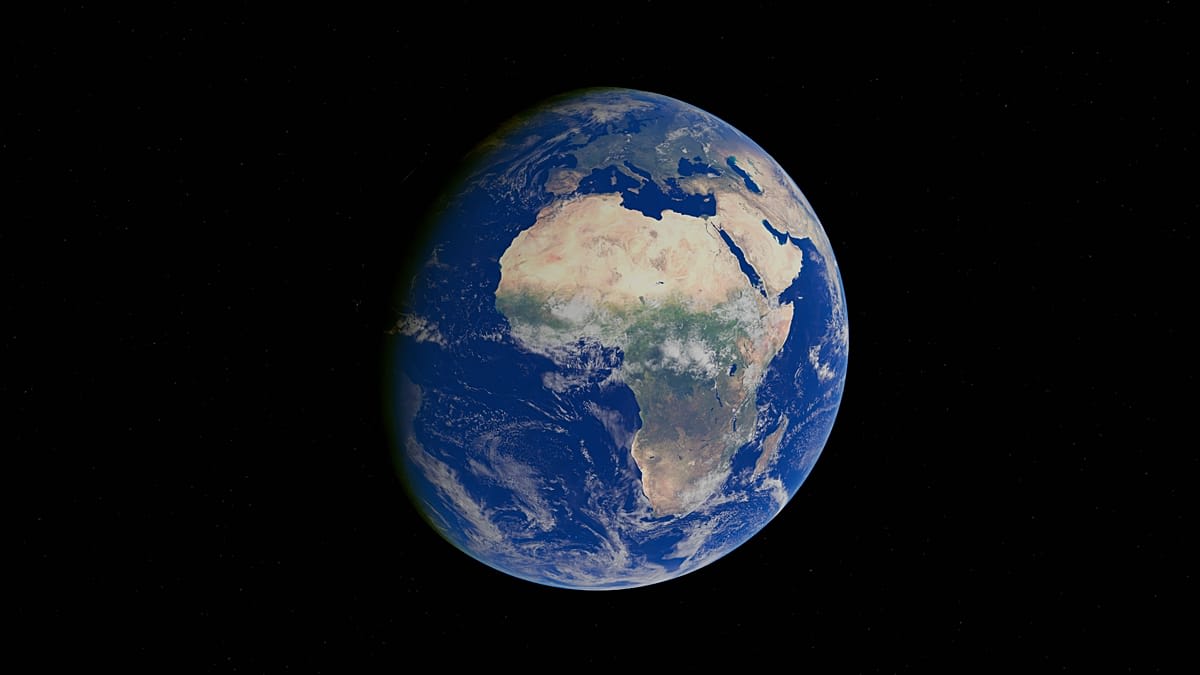
The planet candidate, called HD 137010 b, is only six percent larger than Earth and takes 355 days to orbit its star. That's just ten days shorter than our own year, making it remarkably similar to home.
What makes this discovery even more exciting is who found it. Volunteers with the "Planet Hunters" citizen science project spotted the planet by combing through old data from NASA's Kepler space telescope. These everyday stargazers noticed a single moment in 2017 when a distant star dimmed slightly for about 10 hours, the telltale sign of a planet passing in front.
Professional astronomers led by Alexander Venner at the Max Planck Institute for Astronomy then confirmed what the volunteers suspected. From that single transit, the team calculated the planet's size and orbit with remarkable precision.
The planet orbits a star very similar to our sun, though about 1,000 degrees cooler and less bright. This means HD 137010 b receives less than a third of the energy Earth gets, putting surface temperatures at a frigid minus 68 to minus 70 degrees Celsius.
But here's where it gets interesting. The planet sits at the outer edge of the habitable zone, that sweet spot around a star where liquid water could exist. While its surface is likely frozen solid now, climate models suggest a thick atmosphere rich in carbon dioxide could create enough greenhouse warming for liquid water.
Why This Inspires
This discovery shows how anyone with curiosity and dedication can contribute to groundbreaking science. Citizen scientists are no longer just supporters of research. They're active participants making real discoveries that professional astronomers might have missed.
The planet's relative proximity, just 146 light-years away, also makes it close enough to study with future telescopes. Scientists could potentially detect its atmosphere and search for gases like oxygen or methane that might indicate life.
More than 6,000 exoplanets have been discovered so far, but most are gas giants or scorching hot worlds hugging their stars. Earth-like planets around sun-like stars remain incredibly rare, making HD 137010 b a precious find for understanding whether we're alone in the universe.
The team still needs to observe more transits to officially confirm HD 137010 b as a planet rather than just a candidate, which will be challenging given its nearly year-long orbit. But the initial evidence is strong enough that researchers are already planning follow-up observations.
This frozen world reminds us that the next great cosmic discovery might be hiding in data we've already collected, just waiting for the right eyes to find it.
More Images


Based on reporting by Euronews
This story was written by BrightWire based on verified news reports.
Spread the positivity!
Share this good news with someone who needs it