Government AI Tool Critiques Its Own Food Pyramid
The FDA's new nutrition website features an AI chatbot that openly questions the science behind the government's controversial food guidelines. When asked if the pyramid is backed by quality research, the tool points out contradictions with established evidence.
The U.S. government just launched an AI nutrition advisor that admits its own dietary guidelines might be flawed.
Kyle Diamantas, head of the FDA's Human Foods Program, announced this week that the official realfood.gov website now includes an AI chatbot to help Americans make better food choices. The feature promises "clear and concise answers at the click of a button" about the government's new food pyramid.
Here's the surprising part. When users ask whether the pyramid is backed by solid research, the chatbot responds with refreshing honesty. It notes that many nutrition scientists have raised concerns about the evidence quality and says the guidelines on saturated fats and animal proteins "contradict longstanding evidence."
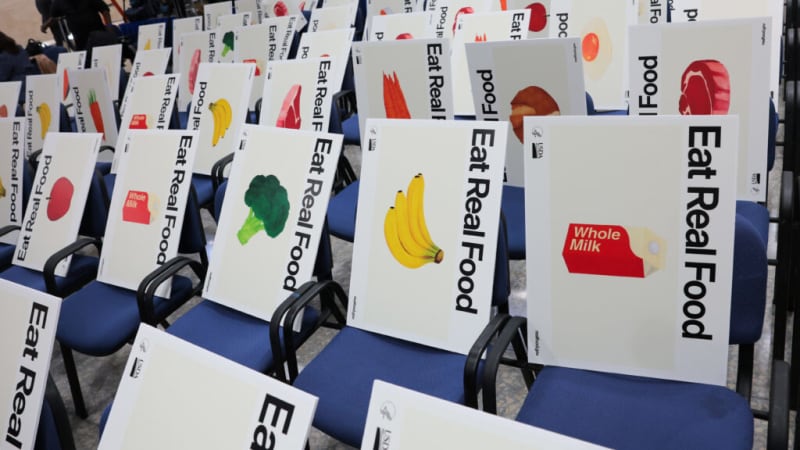
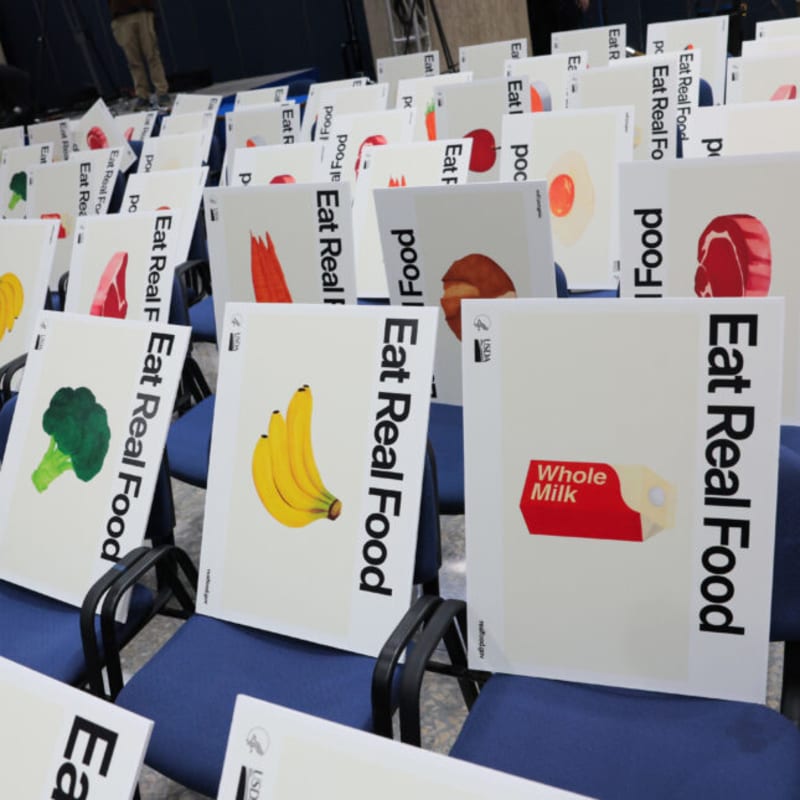
The chatbot is actually Grok, the AI tool from Elon Musk's X platform. It accurately reflects what nutrition experts have been saying about the controversial pyramid, which prominently features a rib-eye steak and stick of butter alongside broccoli and salmon.
One STAT reporter tested the tool by asking how many sticks of butter to eat daily, given butter's prominent placement on the pyramid. Grok responded that zero sticks would be appropriate and that the visual hierarchy shouldn't be taken literally.
When asked for a better design approach, Grok suggested ditching the new inverted pyramid entirely and returning to the previous MyPlate format.
The Bright Side
Despite concerns about AI reliability in healthcare, this tool demonstrates something valuable: transparency. The chatbot doesn't blindly promote government messaging. Instead, it synthesizes current scientific consensus, even when that means questioning official guidelines.
Researchers like Alyssa Moran from the University of Pennsylvania say AI holds promise for delivering convenient, low-cost nutrition advice. The technology just needs more testing before widespread public use, especially when promoted by government health agencies.
The tool also provides practical help. When asked about feeding a vegetarian family on $200 weekly, it suggests budget-friendly staples like lentils and rice. For pregnancy nutrition, it recommends folic acid through both food sources and prenatal vitamins.
Americans are increasingly turning to AI for health questions anyway. Having an official government tool that prioritizes accuracy over politics might actually serve the public better than guidelines shaped by competing interests.
The fact that a government-endorsed AI openly critiques government policy suggests we're entering an era where technology can help cut through bureaucracy and deliver straight answers.
More Images



Based on reporting by STAT News
This story was written by BrightWire based on verified news reports.
Spread the positivity!
Share this good news with someone who needs it