Iowa Seeks 100 Volunteers to Map 13 Bumble Bee Species
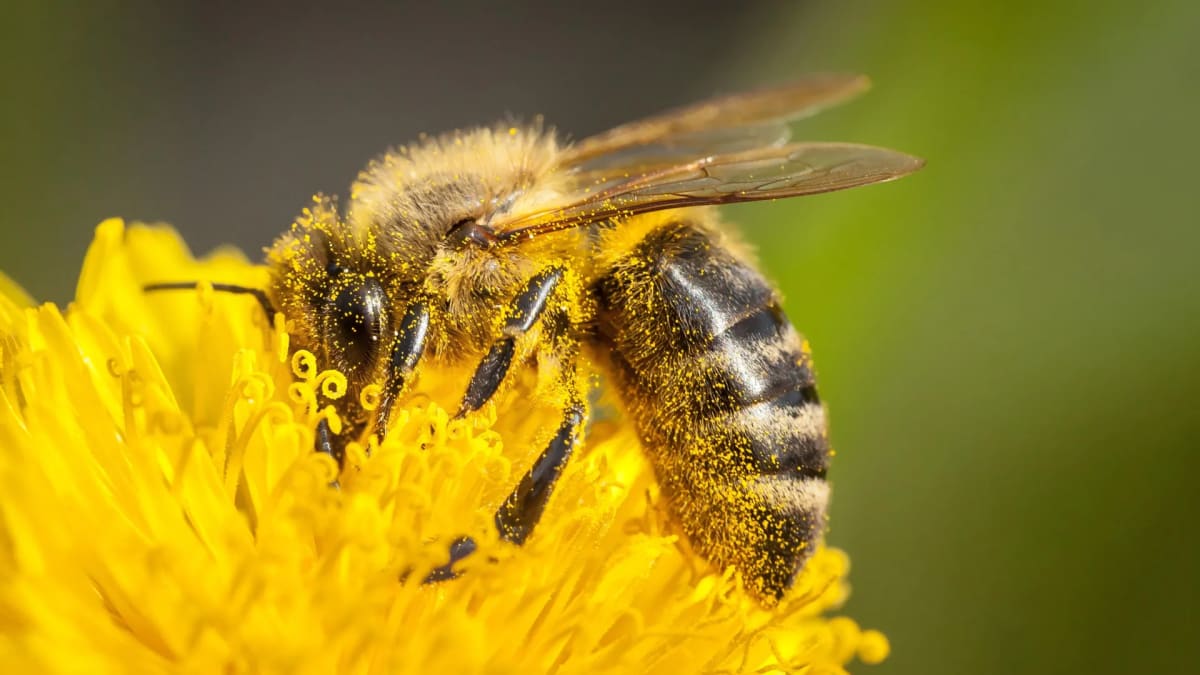
Citizen scientists in Iowa have already identified 13 bumble bee species including five rare ones, and wildlife officials want to triple volunteer numbers this year. The best part? These fuzzy pollinators are so docile that anyone can learn to safely photograph them.
Volunteers across Iowa are getting up close with bumble bees, and the results are creating buzz in the conservation world.
Since 2024, 62 citizen scientists have conducted 644 surveys and counted over 7,000 bumble bees across the state as part of the Bumble Bee Atlas, a nationwide effort to track these critical pollinators. Now the Iowa Department of Natural Resources wants to grow that volunteer team to 100 people for the final year of data collection.
"It's a fun but challenging survey," said Stephanie Shepherd, wildlife biologist with the Iowa DNR. The work requires spending time outdoors capturing and photographing bumble bees, but there's good news for anyone nervous about stings.
"Bumble bees are incredibly docile, especially when foraging," Shepherd explained. They only show aggression near their nests, making fieldwork safer than most people expect.
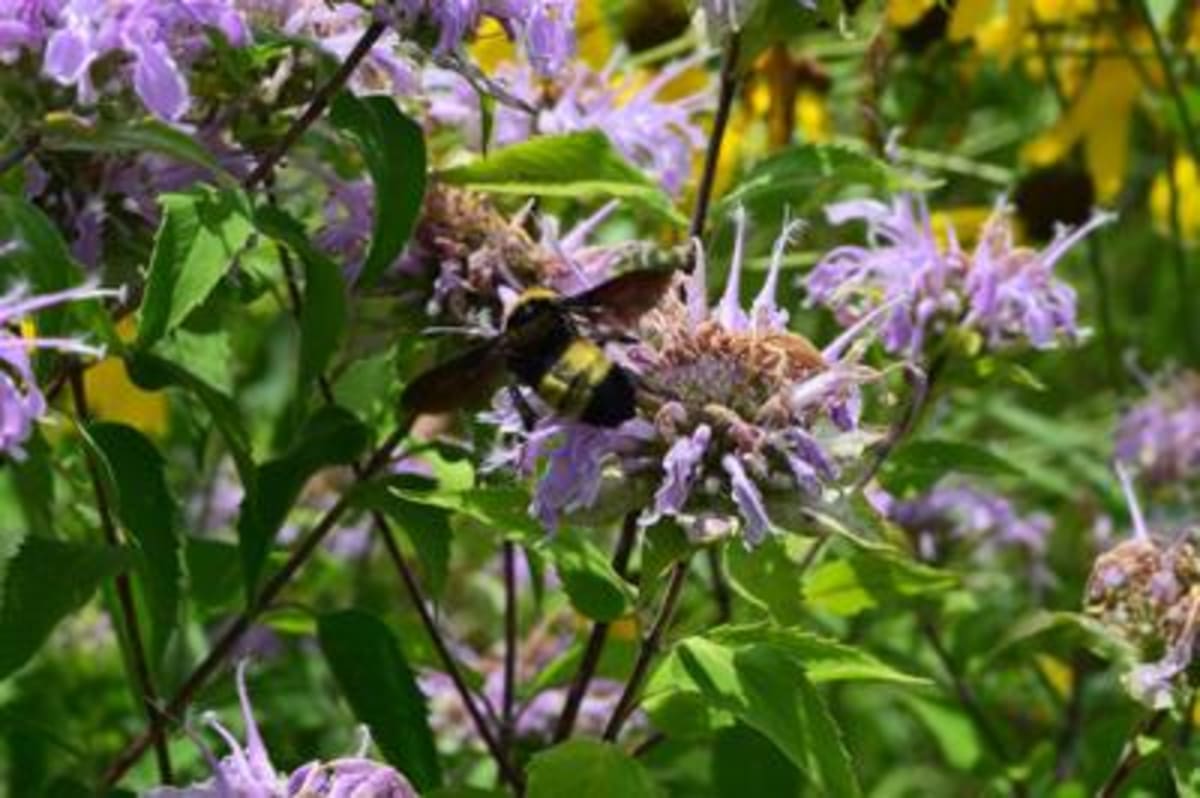
The project has already paid off with exciting discoveries. Volunteers identified 13 different bumble bee species, including five of seven priority target species that conservationists most want to monitor. Among the finds: rusty-patched bumble bees turned up in several counties, including new locations in Boone County neighborhoods and urban yards.
Getting involved takes just two to three online training sessions led by the Xerces Society, with optional in-person field days scheduled for June and July. Surveys run from June through October, giving volunteers flexibility to participate on their own schedule. Not ready to commit? Anyone can still help by submitting bee photos and locations through bumblebeewatch.org.
Iowa is part of a four-state study with Minnesota, Missouri, and Nebraska designed to understand what these pollinators need to thrive. After this final inventory year, the program shifts to long-term monitoring focused on species of greatest conservation need.
The Ripple Effect
This project shows how everyday people can contribute to meaningful science. Those 644 surveys and 7,198 bee counts are creating the first comprehensive map of where Iowa's bumble bees live and what habitats they need. That data will guide conservation efforts for years to come, protecting the pollinators that keep ecosystems and food systems healthy.
The timing is perfect for another way to help. Spring is ideal for planting native flowers, trees, and shrubs that bloom at different times, giving bees food throughout the season. County conservation boards and farmers markets often host native plant sales, and the Tallgrass Prairie Center website lists verified sellers.
Four survey blocks covering parts of Mills, Montgomery, Fremont, Page, Winnebago, Worth, Hancock, Cerro Gordo, Woodbury, Ida, Jones, and Linn counties still need volunteers.
Anyone can join this gentle army of bee photographers at bumblebeeatlas.org.
More Images



Based on reporting by Google: volunteers help
This story was written by BrightWire based on verified news reports.
Spread the positivity!
Share this good news with someone who needs it